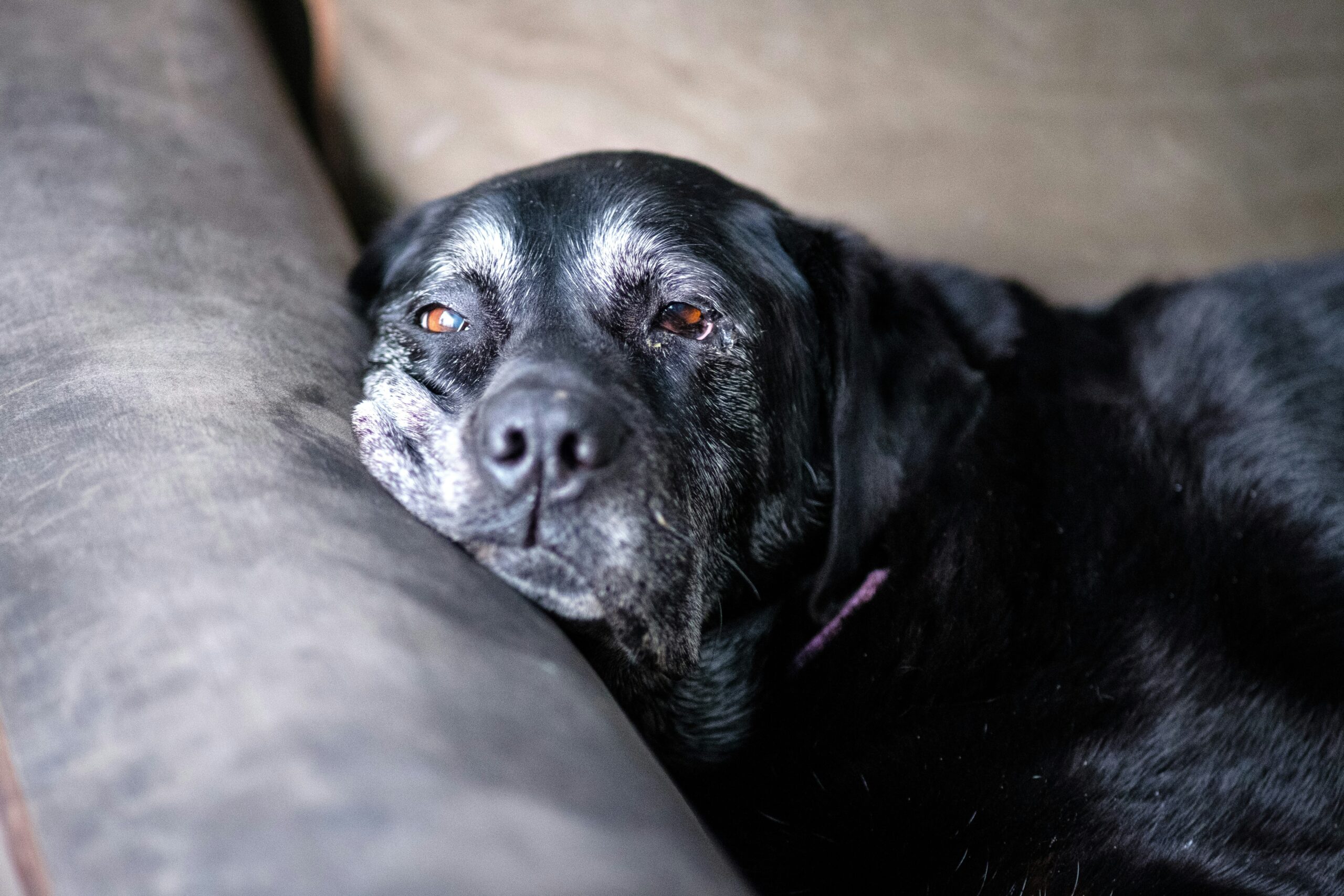
At My Pet Nutritionist, we occasionally see dogs with vestibular disease. Owners of pets with Vestibular Disease tend to come to us very worried about their pet, as symptoms can look scary! We help these owners look into ways to support their dogs naturally through diet and lifestyle changes.
The vestibular system is responsible for the individual’s balance and coordination, as well as their spatial awareness, and is mostly located in the brainstem and inner ear. When these areas are disrupted, vestibular disease can occur. There are two main type of vestibular disease; peripheral and central.
Peripheral Vestibular Disease is the most common type we see, and affects the inner ear and/or the vestibular nerve. Central Vestibular Disease involves the brainstem, which is much more serious, but thankfully less common!
In this blog we will look at causes and symptoms, how the vet will diagnose and treat it, and how we can support the dog naturally alongside conventional treatment.
Findings Here
Findings Here
Causes and Symptoms
When it comes to causes, we need to break these down into two categories; one for peripheral and one for central, as each type has different underlying causes.
Peripheral Vestibular Disease can be caused by one of, or a mixture of these:
- Ear infections: infections affecting the inner or middle ear are one of the most common causes of Peripheral Vestibular Disease due to the accompanying inflammation.
- Trauma: any trauma affecting the ears or head can increase the risk of vestibular disease.
- Hypothyroidism: as the thyroid hormone is partly responsible for nerve function, when an individual has low thyroid hormone, vestibular disease is a risk.
- Medications: ototoxic medications like certain antibiotics and ear drops can actually damage the inner ear, leading to deep trauma.
- Tumour: inside the ear, tumours can cause vestibular disease, and other neurological issues.
- Idiopathic diagnoses: in the event the veterinarian doesn’t know what the cause of the Peripheral Vestibular Disease is, it will be diagnosed as ‘Idiopathic’. This is most common in older individuals, and can sometimes be referred to as ‘old dog vestibular syndrome’
Central Vestibular Disease tends to be due to one of four underlying conditions:
- Brain tumours: tumours affecting the brainstem
- Stroke: individuals who have suffered a stroke can be at higher risk of other neurological events including Central Vestibular Disease.
- Inflammatory disease: any inflammatory disease affecting the brain can cause Central Vestibular Disease, including meningitis or encephalitis.
- Infection: infections in or around the brain cause inflammation which in turn leads to Central Vestibular Disease.
Findings Here
Findings Here
Now onto symptoms. Vestibular Disease typically comes about suddenly. Symptoms can go from being non existent to severe in hours, and are not to be ignored! Some of the symptoms you may expect to see in those with either type of Vestibular Disease include:
- Ataxia (reduced coordination)
- Lack of balance (the dog may begin to fall over, or lose ability to walk unaided)
- Head tilt (typically toward the side of inflammation in those with Peripheral Vestibular Disease)
- Disorientation
- Circling
- Vomiting or nausea – excessive drooling often comes with nausea
- Nystagmus (fast moving involuntary eye movements)
- Lack of appetite
Findings Here
Findings Here
If your pet displays any of these symptoms, it is essential you seek veterinary help as so soon as possible in order to receive an official diagnosis, and a treatment plan can be initiated.
Diagnosis
As there are so many different reasons a dog may have Vestibular Disease, there are of course, a number of tests that may be performed. An experienced veterinarian may pinpoint one or two tests, others may carry out many of these tests. Tests usually carried out include:
- Physical/neurological examination: your vet will give your pooch a good once over, taking extra care looking at eye movements, looking inside the ear canals, assessing the dog’s gait, and looking for a head tilt of any varying degree.
- In depth ear examination: your vet may look deep into the inner ear to look for inflammation (most common), or even tumours or infections.
- Blood testing: a sample of blood will usually be taken in order to run a full blood panel, looming for inflammation markers, or hormonal issues like hypothyroidism.
- X-Rays: these will only be taken if the veterinarian suspects a severe, deep inner ear infection. Handheld Otoscope (the device typically used to look inside the ear)
- MRI: an MRI scan is typically only used if the veterinarian suspects a case of Central Vestibular Disease, as this type of imagery allows you to see the brain/brainstem.
- CSF Analysis: in severe cases where inflammation of the brain is suspected, a Cerebrospinal Fluid Analysis is performed. These are expensive and tricky to carry out so are only done in severe cases.
Ultimately, a proper diagnosis in paramount to being able to aid your dog’s longevity, so if your dog displays the aforementioned symptoms, seeking a full veterinary diagnosis is essential! if your pooch becomes stressed with invasive testing, discuss with your vet as to whether or not testing will be beneficial, or if palliative care is best. Older individuals may not benefit from a surgical route, so with your vet, decide on the most beneficial path for your individual dog.
Findings Here
Findings Here
Conventional Treatment
As with many of the other health conditions we have covered which have multiple types of varying severity, there are of course, many differing treatment options, depending on the type of Vestibular Disease your dog has.
Medication is often prescribed for a variety of reasons:
- Anti-sickness may be given to help your dog through the dizziness of a vestibular attack.
- Antibiotics or antifungal treatments may be needed for those suffering inner ear infections.
- Anti-inflammatory medications like NSAIDs are typically given to reduce inflammation and relieve the dog of discomfort.
- Thyroid medication is used in those who suffer with Vestibular Disease due to underlying Hypothyroidism.
Surgery can be advised, however this is incredibly rare, and is reserved for those rare cases of extremely severe ear infection, or if tumours are present. The surgery is risky and not always successful, so is only used if absolutely necessary. Finding a specialist to perform this surgery may be in your dog’s best interest.
Mild cases of idiopathic Vestibular Disease may not require treatment, and typically recover within 3-4 days.
Findings Here
Findings Here
Natural Support for Vestibular Disease
As always, our approach is often supported by veterinary care, so we tend to look at this as a complementary approach as opposed to alternative. Here’s our top tips to support your pet naturally:
As with supporting any dog with any health condition, we can
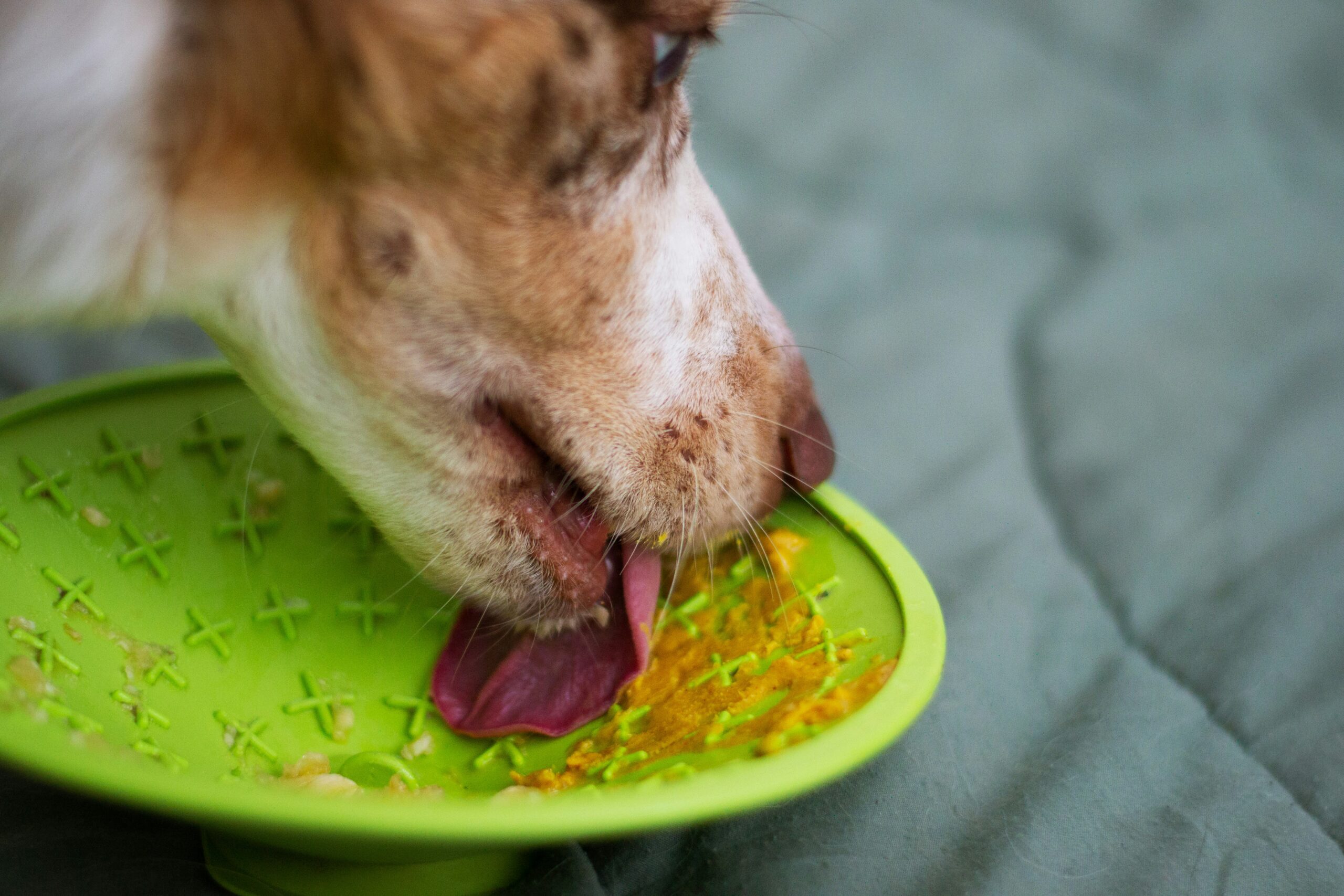
tweak the diet to benefit them. Feeding a fresh food is paramount, as the nutrients will be fully intact (especially anti-inflammatory omega 3!), and these fresh foods, whether raw or lightly cooked are high in moisture, which is incredibly important! Maintaining fluid intake is important for brain health, and reducing inflammation. You may even wish to add bone broth to help increase moisture content. Another benefit of fresh foods is that you can easily regulate blood sugar levels – feeding highly processed, carb heavy dry food will result in a blood sugar spike which can contribute to dizziness.
A lightly cooked meal may be preferable to a raw diet for some dogs as it is so easily digestible. Easily digested foods can help reduce nausea. Some dogs with vestibular disease will lose their appetite completely, so in these cases, a fed dog is better than a dog that wont eat – you may need to temporarily change their diet to a less desirable option in the short term. You can work on moving back to a fresh diet over time.
Feeding more anti-inflammatory foods is important too – oily fish, raw egg, and algae oil are all excellent sources of omega 3. Anti-oxidant rich foods like blueberries and leafy greens can also help to control inflammation in the body.
When it comes to
adding supplements to your dog’s diet, there are some you may wish to consider, such as:
- Omega 3 Fatty Acids: krill oil, anchovy oil, or algae oil are popular choices! These reduce inflammation which in turn supports nerve health.
- Ginger: a fantastic herb to help tackle nausea. You can pop a little in your dog’s meals, and offer a small organza bag of ginger to be near the dog’s resting area to help control nausea.
- Liposomal Curcumin: this is the active ingredient in turmeric, in it’s most bioavailable form. It has potent anti-inflammatory, anti-oxidant properties.
- Gut support: the gut-brain axis is at play here, so keeping the gut healthy is very important to aid brain health. Gut health also helps to reduce inflammation throughout the body. Our Gut Guardian supplement may be the perfect option for your pooch! An extra focus on gut health should be made if the dog has had antibiotics too!
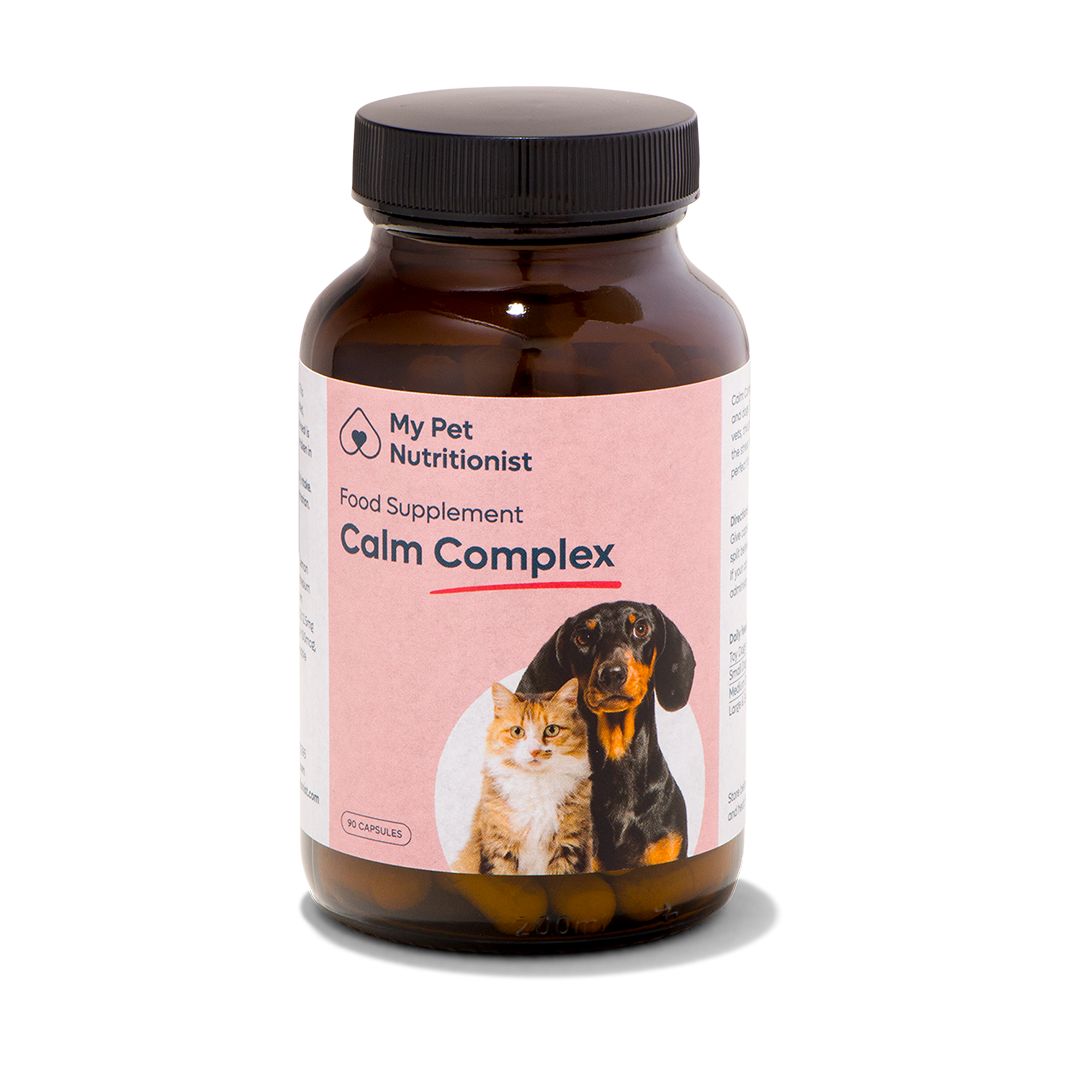
- To reduce anxiety, our Calm Complex supplement may be another missing puzzle piece for your pet!
- Co-Enzyme Q10 (CoQ10): this powerful supplement is a potent anti-inflammatory, and supports both neurological and mitochondrial health.
- Vitamin B: giving your pet a Vitamin B Complex helps to support the nervous system.
Findings Here
There are some
alternative therapies which may be of use to those with Vestibular Disease, and these are something to discuss with your veterinarian, as your desired therapist may require permission from your veterinary team before proceeding. Acupuncture is said to help to reduce nausea, as well as improve balance and aid neurological recovery. As the body is affected, physiotherapy is often highly recommended to help to improve strength and balance after a vestibular attack! If your dog has suffered a postural change such as a head tilt (commonly seen in Peripheral Vestibular Disease cases), massage may help the dog recover back to their normal posture.
Things you can do
in the home include providing a safe space (wobbly dogs need plenty of space, with no hazardous objects!), running rugs throughout hard floored areas to aid paw traction, aiding mobility with the use of a sling if needed, and keeping areas calm using dimmed lights and reduced noises to reduce anxiety. An anxious dog with Vestibular Disease can have worsened disorientation, so making them a safe ‘den’ area may benefit them greatly! When it comes to harnesses, using a multi-buckle harness that doesn’t need to go over the dog’s head can be a great help! It’s also easy to put on the dog in case of emergency.
If your pooch has been diagnosed with either type of Vestibular Disease, or any of the aforementioned underlying causes, and you feel you could benefit from some one-to-one guidance on what to do next, please don’t hesitate to book a consultation with one of our team!
Team MPN x