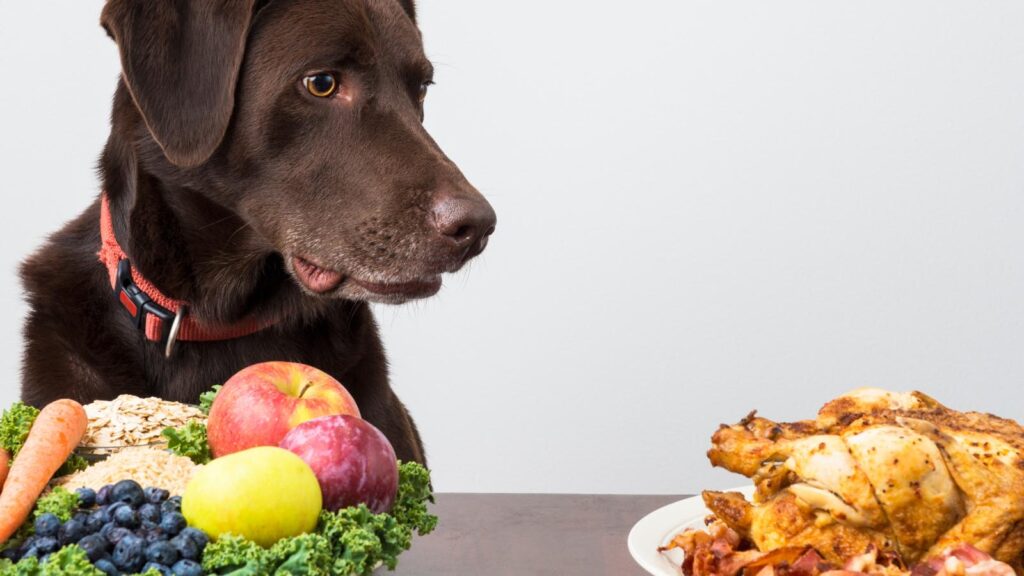
Here at My Pet Nutritionist, one of our most common consultation topics is itching and allergies. Many of our customers often come to us in need to help with their pet’s itching, and many ask us if they should try the hydrolysed food that has been recommended by their veterinarian; but what really is hydrolysed food? Is it something we would recommend? Read on to find out! What Is Hydrolysed Food? Hydrolysed food is typically recommended by veterinarians for individuals with food allergies, chronic skin conditions, and gastrointestinal sensitivity, however this may not be necessary. Commercial processed pet food, such as kibble or low quality wet food is something we would describe as being ‘ultra-processed’. Hydrolysed food is processed even further. In order to reduce the risk of triggering an allergy, the long chains of proteins in the food have been broken down into either individual amino acids, or very short chains of amino acids, called ‘peptides’. Breaking the long chain proteins down into these tiny fragments means the immune system is unlikely to recognise them as allergens. If the immune system doesn’t recognise them as allergens, an allergic reaction will not occur. Hydrolysed food is made using a process called Protein Hydrolysis. The original ingredients, including the protein and carbohydrate sources are subject to various enzymes specific to the ingredient, as well as water and heat to break the chains of proteins down. If the protein is a long strip of paper, the enzymes are the scissors cutting it into smaller pieces! The ingredients usually include a single hydrolysed protein source such as chicken, fish, soy or feather, as well as a carbohydrate source such as rice, maize, potato or tapioca (none of which we would recommend in the majority of cases), animal or plant based fats such as sunflower oil or fish oil to add omegas into the food (though sunflower oil is high in omega 6; making fish oil the better option), a synthetic vitamin and mineral mixture to ensure the diet can be classed as ‘complete’, a fibre source like beet pulp or cellulose to aid stool quality, as well as palatability enhancers to encourage the pet to eat it; the aforementioned ingredients aren’t particularly tasty without these additives, and broken down proteins can taste bitter too! These diets are not always dry food; many brands have a wet food offering which resembles a thick paste in a tin, and will be the same formulation as the dry food, but without being extruded and baked into small brown shapes. Findings Here Findings Here Do We Recommend Hydrolysed Food? The answer to this question is a complicated one – yes, but no. we typically don’t recommend using hydrolysed food in the vast majority of cases, however there may be the occasional consultation we do recommend it’s use in. The only time we may suggest using one of these foods is in those with the most severe skin conditions caused by allergies or intolerances where the pet requires a break from symptoms. In the majority of cases, we would recommend an elimination diet on fresh foods, working on gut health, and possible remodulation of the immune system. We advise on a case-by-case basis, so it’s important to book a consultation with us if your pet is struggling with allergies. In the rare case that we do suggest using a hydrolysed food for your pet, it would only be used short term to allow a break from or reduction in symptoms so any open wounds on the body can heal. We wouldn’t recommend long term use of these foods for any dog or cat due to the foods being ultra-processed, the ingredients being of low nutritional value and the subsequent use of synthetic ingredients to make the diet complete, and the fact that these foods are not helping to heal the root cause of the allergy or skin condition. Probably the biggest reason we wouldn’t usually recommend these foods however, is that recent research shows pets can still react to these tiny broken down amino acids and peptides, and it is also suggested that these foods can actually stimulate allergic responses! In a systematic review of hydrolysed diet efficiency, clinical signs of allergies actually worsened in around 50% of allergy cases fed hydrolysed diets in various studies. Findings Here Findings Here A Bit About Gut Health! When it come to managing allergies, gut health is hugely important! The gut-skin axis is largely at play, and gut health can also be linked to the endocrine system, which can wreak havoc with the skin if it is unhealthy. One of the first steps to aiding a dog or cat with allergies, is working on gut health. Feeding a fresh diet (preferably running an elimination with this fresh food) is one step but it is wise to supplement this with a mucilage herb to help heal the gut, and a high quality probiotic to help the gut microbiome flourish. Mucilage herbs you could consider are slippery elm, marshmallow root and deglycyrrhizinated liquorice (DGL), and soil based probiotics are often favoured when it comes to choosing an appropriate probiotic. Our fantastic supplement Gut Guardian contains a mixture of high quality probiotics, and all three of the aforementioned mucilage herbs, alongside calming chamomile! If your pet has any form of skin condition or allergy, our team is on hand to help you! Please don’t hesitate to book a consultation to receive 1 to 1 advice, and get to the bottom of your pet’s itching using diet, lifestyle changes and functional medicine. Team MPN x
Abbreviated to SLO, Symmetrical Lupoid Onychodystrophy is an autoimmune disease affecting the claws. The part of the claw that attaches the nail to the body is called the nailbed. SLO causes the body to target and attack these important nailbeds. Due to the poor nailbed, these nails then either crack, split, or fall out completely, and the area also becomes very inflamed. It is a nasty disease, and can be incredibly painful, resulting in reduced mobility, and potential for secondary musculoskeletal problems due to a change in gait in an attempt to avoid pain. Here at My Pet Nutritionist, we see patients with SLO from time to time, and we even have a fantastic supplement which can be beneficial for those with this condition – read on the find out more! Due to the nature of this disease, it is highly likely to be underdiagnosed as it can be easily mistaken for trauma or infection. This means the disease is considered to be uncommon, though it is more common in some breeds than others. Breeds most commonly affected include the German Shepherd, Bearded Collie, Gordon Setter, Rottweiler, Labrador, Schnauzer and Greyhound. In this blog we will discuss the causes and symptoms of SLO, how it is diagnosed, what conventional treatments are available, and how you can support your dog naturally alongside conventional treatment. Findings Here Findings Here Causes and Symptoms Because SLO is an autoimmune disease, there is no specific, pinpointable cause of it’s onset. Autoimmune diseased tend to happen spontaneously and have no known cause, however there are some factors which may play a role in a dog getting SLO, such as: Genetic predisposition: some breeds are genetically more prone to it! Some individuals may also suffer a genetic mutation causing the gene associated with SLO to change. Infection: infections can cause traumatic weakness to the nailbed. Exposure to toxins: whether these are environmental or through vaccines or flea treatments, such toxins can have a major effect on immune regulation. Underlying health causes: there are potential links to thyroid dysfunction. Dietary deficiencies: dogs lacking essential Omega Fatty Acids, Biotin and/or zinc may be more susceptible to the onset of nail conditions, including SLO. Dietary Sensitivities: some studies suggest a link between SLO and food sensitivities/the inflammation caused by food sensitivities. Findings Here Findings Here Findings Here There are a number of symptoms associated with SLO. The unusual quality of SLO is in it’s name ‘symmetrical’ referring to the fact that the disease affects symmetrical nails; the same nail or nails on each paw. Symptoms which may be seen include: Onychomadesis: sudden onset nail loss. These nails can break very easily or even fall off! Unusual regrowth: when regrowing, the affected nails often grow back an unusual colour, are brittle, thicker than usual, and/or an unusual shape. Reduced mobility: the dog’s willingness to walk can indicate nail troubles. Swollen nailbed: inflammation in the area of the nailbeds can be visible to the eye, or can be noticed when the dog begins gnawing at his or her paw. Secondary infection: infections can occur in the now-vulnerable nailbed. If you notice your dog’s nails changing suddenly, breaking frequently on light exercise, or splitting regularly seemingly for no reason, head to your veterinarian! Findings Here Diagnosis When you visit the vet with your concerns, you will have an in depth conversation with them, regarding your dog’s clinical signs, and breed/family history. The vet will likely want to rule out other common causes of your dog’s symptoms first and foremost. Let’s take a look at the diagnostic testing they may carry out: Physical examination: your vet will carry out a thorough examination of your dog to rule out trauma to the foot or nails which could present similarly to SLO. Biopsy and analysis: a biopsy of tissues around damaged nailbeds will be performed if the vet suspects SLO, and an analysis carried of the cells in these tissues carried out. This would reveal any potential bacterial or fungal infections which may cause damage to the nails, and would also be the definitive test to make an official diagnosis of SLO. Blood test: to test for thyroid issues that may affect the nails, and also check for auto-immune disease. Findings Here Conventional Treatment Once a diagnosis of SLO has been made, unfortunately there is no cure, however the disease will require management for life. Some individuals can have medications reduced over time if and when the condition stabilises, however frequent check-ups are required to ensure the medication amount doesn’t need to be increased at any time. Some of the suggestions your vet may make include: Immunosuppressants: these drugs aim to reduce a flare up of auto-immune disease. When taken long term, it is essential your pet has regular vet checks and blood tests! Antibiotics: to treat any detected secondary infections. Sometimes a vet may prescribe the antibiotic ‘Tetracycline’ which paired with Niacinamide (Vitamin B3) can be useful for their immune remodulation effects. NSAIDs: Non-Steroidal Anti-Inflammatory medications may be recommended to reduce inflammation and pain in the toes/paw. Claw cutting: keeping nails short can help relieve pain, and prevent further splitting of the nails. Findings Here Natural Support for SLO As always, our approach is often supported by veterinary care, so we tend to look at this as a complementary approach as opposed to alternative. Here’s our top tips to support your pet naturally: Tweaking the diet is one of the small changes you can make, that will make a big difference for your pet. Feeding a fresh food diet can be beneficial as they’re minimally processed, and often much higher in Omega Fatty Acids as well as antioxidants, which all go some way to reducing inflammation and disease. Ensuring your pet’s fresh diet contains plenty of foods with anti-inflammatory qualities can also aid those with SLO. Feeding an inflammatory, processed diet to a dog with an inflammatory disease can be the difference between sound health and anti-immune flares. Examples of anti-inflammatory foods include oily
Canine Epileptoid Cramping Syndrome, abbreviated to CECS, is a debilitating disease. This disease is very much dietary related, and it is something we see in clinic from time to time here at My Pet Nutritionist. Other names you may see this disease referred to as are Paroxysmal Gluten-Sensitive Dyskinesia (PGSD) or Spike’s Disease. It is a neurological movement disorder, whereby unusual muscle contractions occur much like during an epileptic episode, but the dog does not lose consciousness. CECS was once classed as epilepsy, but has since been reclassified due to the lack of unconsciousness. Episodes occur most in the presence of gluten in the diet, even in small quantities. Border Terriers are most commonly affected by CECS, and it is triggered by gluten sensitivity. The disease itself is considered rare, however it is also thought that it may be underdiagnosed in this breed due to the relatively high prevalence of gastrointestinal disorders and epilepsy in the Border Terrier. Other breeds often affected by the disease include Chihuahuas, Labradors, Scottish Terriers, Jack Russels and Cavalier King Charles Spaniels. Findings Here In this blog, we will look at symptoms, causes, diagnosis, how it is treated by the vet, and what you can do at home to support your pet naturally. Symptoms and Causes Those suffering with CECS can have a varying degree of symptom severity. Some may have very short, mild episodes, whereas others may have more severe, longer episodes which affect their coordination for some time. It is important to remember that during an episode of CECS, the dog does not lose consciousness! The most common signs of a CECS flare up in dogs are: Stiff muscles or cramping, most commonly in the legs and abdomen. Stumbling and difficulty walking Possible collapsing Tremors/shaking throughout the body Twitching of the face including jawline and eyebrow areas Abdominal stretching, similar to the ‘downward dog’ yoga position Gastrointestinal upset can occur before or after an episode The exact cause of CECS is largely unknown, however it is known that the major trigger of it is the presence of gluten in the diet. CECS can be part of a severe gluten sensitivity, which is an immune mediated issue. CECS may be caused by neurotransmitter imbalances or abnormal metabolic processes. Some cases of CECS are also triggered by stress. Findings Here Findings Here Findings Here Diagnosis Diagnosing CECS can be tricky. Because CECS has symptoms very similar to other conditions, it is often mistaken for more common disorders. When a dog displays any of these symptoms, he or she should be taken to the vet for diagnosis – a correct diagnosis is important as managing CECS is very specific, and not like the management of any other disease with similar symptoms. Typically, the first step is for the vet to review your dog’s medical history, and carry out a physical examination. If you can bring with you a video of your dog having one of the episodes associated with CECS, your vet will want to see it as this can be a part of the dog’s diagnosis! Rather than ruling in CECS in the first instance, other similar diseases tend to be ruled out before an official diagnosis is made. In order to rule out any metabolic disorders, a full blood panel and urinalysis is performed. A neurological examination will be conducted, however rather than looking for abnormal neurological activity, the results showing ‘normal’ between episodes is another piece to the puzzle of diagnosing CECS. In order to rule out epilepsy, an EEG or an MRI could be carried out. Once these are ruled out, the vet can begin looking into specific testing to rule in possible CECS. A Gluten Antibody Test will be carried out. When looking at the results of this test, if the anti-gliadin antibody result is elevated, the likelihood of a gluten sensitivity is strong, which is a large part of CECS. Finally, a dietary trial will be carried out, whereby the dog is fed a totally gluten free diet for a matter of many weeks or even months – a food and health diary should be kept so the owner is able to see any patterns. If the frequency of episodes decreases as your dog stops eating gluten, a diagnosis of CECS will be given. Findings Here Findings Here Conventional Treatment This disease is one of the few diseases for which there is no conventional treatment your vet can necessarily offer, with the exception of muscle relaxants or anticonvulsive medications, however these tend to be hit and miss as to whether they help, as they are only beneficial for those with true epilepsy. Your vet will advise you to feed a strictly gluten free diet. Of course here at My Pet Nutritionist we recommend a gluten free diet as standard, preferably a fresh offering; we will discuss diet later in this blog post. As owners and guardians, we need to ensure our pets are kept safe and comfortable during an episode of CECS. If you are unsure how to protect your pet during an episode, chat to your vet to find out some hints and tips on keeping your pooch safe. Findings Here Findings Here A Natural Approach to CECS As always, our approach is often supported by veterinary care, so we tend to look at this as a complementary approach as opposed to alternative. Here’s our top tips to support your pet naturally: Feed a fresh, gluten free diet: gluten isn’t something we would recommend using on your pet’s diet regardless of health status, however this is most important in those with CECS. Fresh food is our top choice for all dogs, but especially for dog with CECS, whether that is raw or lightly cooked. You can check out our ‘Ultimate Raw Feeding Guide for Dogs’ which contains 10 balanced raw food recipes, or our large catalogue of cooked food recipes on our website. Premade raw foods are a great option too! When buying store bought treats, make sure
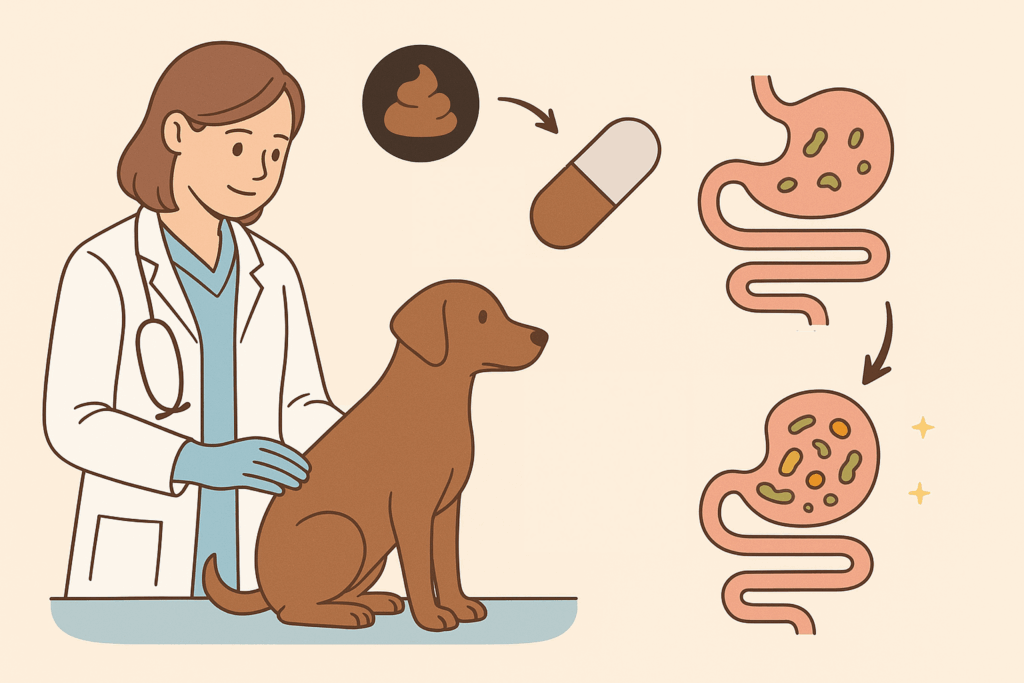
Here at My Pet Nutritionist, we love to look at every avenue when it comes to pet health. There are various support options available for most disease within the body, from drug therapy to dietary tweaks to supplements. One fairly new therapeutic method on offer is Faecal Microbiota Transplant (FMT). A huge number of common diseases in pets are largely down to an unhealthy gut microbiome composition. The gut microbiome is composed of a diverse community of bacteria, fungi, and viruses. The key determinant of gut health lies in the balance among these microorganisms. In a healthy gut, microbial populations exist in a state of equilibrium that supports optimal digestive and immune function. When this balance is disrupted, resulting in an overrepresentation of potentially harmful microbes relative to beneficial ones, the body becomes more susceptible to inflammation, infection, and disease. During FMT treatment, the stool of a healthy donor animal is processed to be safe, and given to the pet with the poor microbiome composition, where it settles in the gut, repopulating the unhealthy gut microbiome into a healthy one. Findings Here There are multiple uses for FMT, so let’s explore these! Uses of Faecal Transplant While FMT is a relatively new support option on the market, it has been shown to have some incredible benefits and uses! Antibiotic resistant infections: the original and intended use of FMT was to help the individual recover from antibiotic resistant bacteria called Clostridioles difficile. Outcompeting the bad bacteria with the good bacteria of a healthy donor animal can help combat this nasty, often recurring infection. IBD/Colitis: research is ongoing into the treatment of IBD and Colitis using FMT. Liver Disease: the treatment of hepatic encephalopathy using FMT is being investigated! A healthy gut means other organs can remain healthy. Autoimmune disease: researchers suggest FMT could play a role in the treatment of autoimmune disease such as arthritis. Metabolic disorders: some metabolic disorders, including poor digestive capabilities and insulin sensitivity may be helped by FMT. Neurological health: as FMT improves gut health, neurological health is directly aided due to the gut-brain axis. Recovery from parvovirus: FMT can be used to repopulate the gut following parvovirus; this is an essential part to recovery, so FMT could be something to discuss with your veterinarian. Findings Here Findings Here Findings Here Production and Administration Many people are curious to know how a FMT sample is made, and how it is administered to the pet. Read on to find out! Prepping the gut to be as healthy as possible using a gut health supplement like our Gut Guardian is an excellent first step. for your pet to get the most out of FMT, the gut needs to be in at least a semi-healthy state. Our analogy is: When you have a premium car with a rusty engine, putting the best oil in won’t necessarily help the car to run better! Due to the nature of FMT, the sample starts life in a healthy donor. Before a sample is taken from the proposed donor, the donor receives a comprehensive examination, and their health history is thoroughly examined. If that donor animal has any history of gastrointestinal issues, they cannot donate faecal matter. Similarly, if they have any ongoing parasitic infection or infectious disease, they will not be able to donate. The use of antibiotics is also not permitted in a donor animal. Once an appropriate donor is selected, a sample of faecal matter is collected, which is then blended into a slurry like liquid with saline solution or any other sterile pure liquid. This solution is filtered, creating a smooth liquid. There are 4 main ways FMT is administered to pets: Oral capsules: the mixture is encapsulated, which allows the pet to swallow the capsule as they would any medication. This method of administration is done while the animal is awake. Enema: using a catheter, the liquid is administered directly via the rectum. This approach is carried out under anaesthetic or sedation. Endoscopy: a tube is inserted into the mouth, and fed through to the gastrointestinal tract. The prepared liquid is pushed through the tube, and deposited into the intestine. This procedure is carried out under anaesthetic. Colonoscopy: a tube is inserted through the rectum and into the gastrointestinal tract, where the prepared liquid is deposited directly into the intestine. This procedure is carried out under anaesthetic. Following the procedure, the pet will be kept at the vet, on strict crate rest to ensure they do not defecate for at least 2 hours. Their condition will be monitored to ensure there are no adverse effects. Probiotics are often recommended as a long term supplement. Findings Here Findings Here How Effective is Faecal Transplant? The big question is: is FMT really that effective? According to studies, FMT appears to be very effective at treating some of the aforementioned health issues! Some small studies suggest a 70-90% improvement in chronic diarrhoea cases after the use of FMT. Those with pets previously suffering with IBD report moderate to significant improvement. In cases where FMT is used as part of a patient’s recovery from parvovirus, it has been noted that recovery tends to be faster, the patient has a better appetite, and stools are firmer, when compared to cases relying purely on conventional treatment. We can also look at the diversity of one’s gut before the transplant and after, which is often done in cases of antibiotic resistance. 1-2 weeks post transplant seems to be the typical length of time for normal healthy gut balance to be restored. What might affect the effectiveness of FMT? Of course, as with any treatment or therapy, there are factors at play that may affect how effective the results of the planned treatment are. Factors which may may FMT less effective include: Quality of the donor sample Quality of screening and filtration of the sample The type of condition being treated, and how severe it is. Method of administration; it is not currently known if the
The eyes are one of a dog or cat’s most important body parts as they give the sense of sight. This sense of sight brings with it an easier ability to socialise and develop mentally. Here at My Pet Nutritionist, we often help those with a variety of eye complaints – nutrition can make a difference to your pet’s eye health! Eye problems in pets can range from minor issues like Conjunctivitis, all the way through to severe conditions like Progressive Retinol Atrophy and other conditions that can end in blindness. This bumper 2-part blog explains what the 9 common eye problems we see most are, how they’re caused, and what you can do to help prevent or improve eye problems in your beloved pet. In Part 1, we will be looking at Cataracts, Conjunctivitis, Dry Eye, Cherry Eye and Entropion. Cataracts With their classic ‘cloudy eye’ appearance, cataracts are one of the most commonly diagnosed eye issues in pets, especially in dogs. Cataracts occur when the lens of the eye becomes clouded, and vision becomes impaired. There are 3 types of cataract, each with differing levels of severity and cloudiness: Incipient: an extremely small, pinpoint-like opacity in the lens. This type of cataract does not require treatment, and doesn’t generally cause any form of vision impairment. Immature: partial lens opacity. Starts affecting vision, and is usually treatable. Mature: full lens opacity. Vision is lost, and treatment may be possible. Cataracts are typically an age related condition, and is far more prevalent in the older population of pets than the younger population. The prevalence of cataracts is high in dogs older than 4-7 years (breed dependent), and very likely in those ages 10-13 or older. Breed predisposition is also a determining factor for cataracts. Some studies suggest that cataracts are most common in 60 breeds of pure bred dog as opposed to mixed breed dogs. Common breeds that tend to be prone to cataracts include the Miniature Poodle, Miniature Schnauzer, Smooth Fox Terrier and Boston Terrier. In a lot of cases, hereditary genetics are a determining factor too! Quite often if a parent pet has cataracts, it’s offspring will develop them too. These often affect dogs and cats earlier in life, however can appear later in life too. Dogs with Diabetes Mellitus are largely at risk of cataracts; in fact, within their first year of diagnosis, around 75-80% of dogs with diabetes develop cataracts. Trauma and inflammation are also associated with cataracts. In most cases, cataracts are treated surgically. This surgery entails the clouded lens being removed (high frequency ultrasound breaks up the clouded material, and this is then suctioned out), and an artificial lens being inserted. This treatment is quite costly, but does greatly improve the lives of those who receive it. Minor cases of cataracts are treated with corticosteroid or non-steroidal eye drops which manage inflammation in and around the eye. Findings Here Findings Here Conjunctivitis Conjunctivitis is the most common eye infection in pets. The swelling of the pink tissue inside the eye cavity becomes inflamed, which causes the outward symptoms associated with conjunctivitis. There are many causes of conjunctivitis, such as: Bacterial, viral or fungal infection: these all cause inward stress leading to outward stress, and the pathogens themselves cause inflammation. Allergies: dust, dander and pollen can cause conjunctivitis. Foreign bodies: grass seeds are a big one! Grass seeds are nasty – they migrate inside the pet! The eyes are somewhere these seeds can get stuck. The inflammation caused by foreign bodies can cause conjunctivitis. Dry eye: when the tear glands are underactive, the eye lid becomes abrasive which causes inflammation around the eye. Read more on this in the next section! Breed predisposition: some breeds, namely those with unusually shaped eyes or who are susceptible to blocked tear ducts such as Pugs, French and English Bulldogs, Clumber Spaniels, Great Danes are predisposed to having conjunctivitis regularly. Environmental Irritants: areas of pollution outside, including smoke, gardening products etc can irritate the tissues around the eyes, causing conjunctivitis. The signs to look out for which would commonly be associated with conjunctivitis include redness in the eye cavity, bloodshot eyes, discharge from the eye, squinting or rubbing the eye on furniture or with their paw, and unusually matted fur around the eye. Treatment is usually done at home using prescription treatments from the vet, such as antibiotic eye drops, steroids or antihistamines, and massage of the tear drops. Saline flushes may be carried out at the vet in severe cases. Hypochlorous Acid products such as Leucillin may be beneficial for your pet, and chamomile tea soaks are often very soothing too! Findings Here Findings Here Dry Eye Known clinically as Keratoconjunctivitis sicca (KCS), Dry Eye happens when the pet has an underactive tear gland. The role of the tear glands is to lubricate the eye, so when these are not producing enough tears, they eye becomes dry. This leads to inflammation of the tissues in the eye cavity, and sticky discharge, and eventually blindness if not treated. In order to diagnose Dry Eye, the Schirmer Tear Test will be performed during which the veterinarian will place a specific paper strip under the lower eyelid for 60 seconds. The results are interpreted by identifying how far up the strip the tears have absorbed. There are various causes of Dry Eye such as: Chronic infection: severe or long term eye infections can cause dry eye. Congenital issues: pets may be born without tear ducts. Autoimmunity: the body’s immune system attacks itself; in this case, it attacks the tear glands. Neural issues: some pets may have problems with the nerves that stimulate tear production by tear glands. Trauma: injury to the eye can cause the glands to stop working Medications: unfortunately all medications come with side affects. Some medications hold the side affect of reduced tear production, which can then lead to dry eye. Treatment for dry eye is typically treated at home with a combination of medications to promote
Intolerances are one of the hottest topics here at My Pet Nutritionist! We see a huge number of itchy dogs, many with intolerances and general inflammation. Inflammation can cause many more health problem in both us and our pets, but what causes it? It can be very tricky to work out the underlying cause of inflammation, so reviewing the diet may be a great first step! In this blog post, we look at the difference between allergies and intolerances, and their link to inflammation in the body. Intolerance vs Allergy The terms ‘intolerance’ and ‘allergy’ are not interchangeable – something many pet owners don’t realise! While both conditions have similar symptoms, the clinical mechanism of disease is very different! One is curable, the other is not. Let’s take a look at each in turn. Intolerances are a histamine response to a stimulus caused by poor gut health. Intolerances can be helped or even cured through the use of gut health supplements such as our popular supplement Gut Guardian. When the gut integrity is compromised, food particles leak from the gut and into the bloodstream where they are detected and recognised as foreign bodies. When the body recognises a foreign body it will either release a specific antibody (in the presence of a chemical compound called histamine which helps the immune system fight infection, and causes the typical reaction symptoms you see in those with an allergy or intolerance. Healing the gut goes a long way in the reduction of intolerances, and often in the cure! Allergies are not curable. These are caused by a malfunction of the immune system; whereby the allergen causes severe reactions. True allergic reactions range from skin rashes and digestive issues to anaphylactic shock. Allergies can cause death, whereas intolerances cannot. Once an allergen is discovered, it is important not to feed this as part of the pet’s diet. Findings Here What is Inflammation? In order to understand the link between intolerances and inflammation, it is important to know exactly what inflammation in the body really is, and where it can happen. Inflammation is part of the body’s immune response. It can happen following trauma, during infection, due to an autoimmune condition whereby the immune system attacks the itself, due to exposure to toxins and hazardous substances like flea treatments, and also in the presence of a foreign body, be it food particles leaking from an unstable gut wall, or a physical object inside the pet. Outwardly, it is characterised by swelling, redness, heat, pain when touched, and even loss of use of the body part it is present on. When inflammation occurs outwardly, it is easy for us to see it, and help the pet, however when it is internal inflammation, it’s not visible to the naked eye which makes it far trickier to deal with! In the presence of a trigger for inflammation, specialised molecules are released by the immune system, which causes an increase in blood flow to the affected area, which causes the blood vessels to leak. This increased blood flow teamed with the leaky blood vessels is the transport system for immune cells to reach the area in an attempt to fix the problem. In pets with intolerances, we often deal with internal chronic inflammation which is more long term, and this constant rush of immune cells to these areas can cause deterioration in previously healthy tissues. Inflammation in the body is not a good thing – it’s something we want to aim to reduce or keep at bay entirely. Inflammation can cause major pain, gastrointestinal, digestive and heart issues, and can also reduce the mental health of the pet, as well as cognitive capabilities. Many pet owners mistakenly assume inflammation is always visible, and can only happen on the outside of the body. Internally, inflammation can occur throughout the body! From brain to gut, inflammation can happen. When it comes to food intolerances, the direct link with inflammation is via the gut, however this then impacts other parts of the body, which we will discuss next! Findings Here The Link Between Intolerances and Inflammation So, is there a link between intolerances and inflammation? The short answer is ‘yes’! Let’s take a deeper dive into this link. As we have previously mentioned, symptoms often associated with inflammation can vary massively both internally and externally. In terms of inflammation, the outward signs of inflammation are: Itching Skin redness Hair loss Chronic ear infections (these are caused by intense swelling in the inner ear) Visible swelling Vomiting Diarrhoea Food intolerances can be traumatic for the body, which means inflammation occurs throughout the body, starting from the gut. Due to the series of gut axes (including the gut-brain axis, the gut-joint axis and the gut-skin axis), inflammation in the gut, indirectly causes inflammation in these other parts of the body, so a pet with intolerances can truly have their whole body affected! When the body detects what it thinks are ‘foreign bodies’ in the form of leaked food particles, the immune system send lots of histamines to the area, which means their transport system (blood) rushes to the affected area quickly, causing the inflammation. The knock on effect of this inflammation in the gut is seen as trauma in other body parts, and so the immune system rushes more blood to these areas too, which again creates inflammation. The initial inflammation, or direct inflammation, caused by food intolerances is called mucosal inflammation, which is inflammation of the mucosal lining of the digestive tract. Findings Here Findings Here How Can We Reduce Inflammation Caused By Food Intolerances? There are a number of things we can do to help reduce inflammation due to food intolerances, but ultimately helping the root cause will be the most beneficial pathway. You will find a link to our consultations at the end of this blog post; booking one of these would be incredibly beneficial for you and your pet if they suffer with intolerances you can’t get control of.
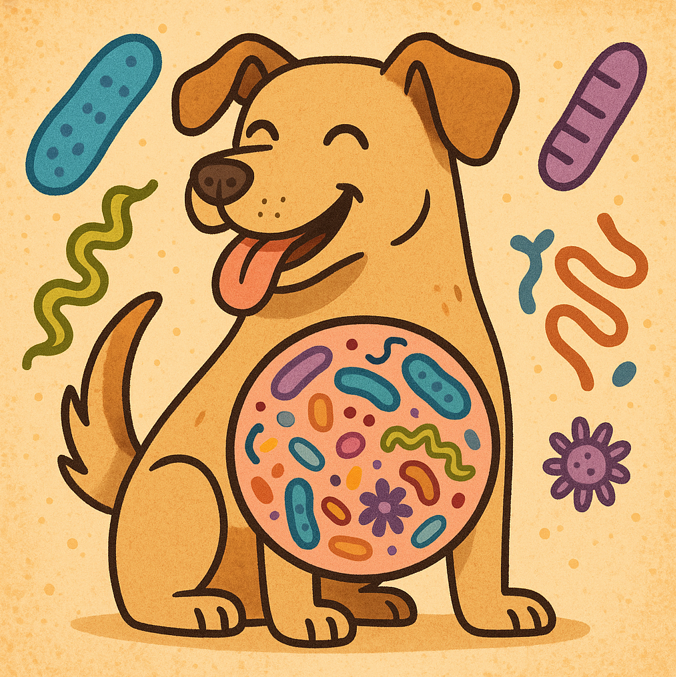
Here at My Pet Nutritionist, we know that a healthy gut microbiome is the most important aspect to keeping your dog healthy all round! There is so much to learn about the gut microbiome – what it really is, what it consists of, what other parts of the body it interacts with, and what happens when it’s not in tip top condition. Many of our readers will notice that most of our blogs mention the microbiome, so this blog post is a full round up of everything gut microbiome related, in one easy read! What is the Gut Microbiome? Every dog has a gut microbiome. It’s one of the most important parts of your dog in terms of digestion and overall health, from joints to skin, to the brain and immunity. The microbiome is a community of microbes, including good and bad bacteria, viruses, and fungi. The gut microbiome is very carefully balanced. Some of the microbes found in a healthy gut microbiome are ones we would typically class as ‘bad’ which have health conditions associated with them, including bad bacteria such as Salmonella, and Clostridia. Viruses and Fungi are typically classed as ‘bad’ microbes too, but are still part of a healthy microbiome. Good bacteria such as Lactobacillus, Bifidobacterium and Enterococcus are all found in abundance in the healthy canine gut microbiome – these beneficial bacteria are found in high enough numbers to outweigh the negative impact of the bad microbes found in the gut. A healthy gut microbiome means the ‘good guys’ outweigh the ‘bad guys’. Health problems begin to emerge when the gut microbiome is knocked out of balance, allowing for gut dysbiosis to occur. Gut dysbiosis can lead to a host of health problems including reduced skin and joint health, increased digestive issues, and prominent or mild negative behavioural changes. Findings Here Findings Here Interactions Between the Gut Microbiome and the Rest of the Body The health of the gut microbiome is a huge part of overall health – but why is this? You may be wondering how gut health could impact so many other parts of the body, so let’s take a closer look at these! We can look at the gut as a ‘roundabout’. Roundabouts have multiple exits – these ‘exits’ stemming from the gut are collectively called Axes; and these link to other parts of the body to form a two-way pathway/link from the gut. The main axes are: The Gut-Skin Axis: this pathway connects the gut to the skin, and the skin to the gut. If we start at the gut and work our way to the skin, we can see that poor gut health can cause or exacerbate skin conditions. Going to other way; from skin to gut, we unfortunately have the risk of gut microbiome damage caused by external exposure to toxins, whether they’re from laundry detergents, household cleaning products, external flea and tick medications, or other environmental toxins. The Gut-Joint Axis: this pathway connects the gut to the musculoskeletal system, and the musculoskeletal system to the gut. An imbalance in the gut microbiome can be connected to poor joint health, especially in cases of osteoarthritis due to the increase in inflammation around the joints. In a poorly balanced gut, there is often an increased risk of pro-inflammatory cytokines and inflammatory metabolites being produced, which are the main cause of poor joint health in dogs. The Gut-Brain Axis: this is the bidirectional pathway between the brain and the gut. This pathway has connections both physically, and chemically. In terms of physical connections, the Vagus Nerve is the main avenue for carrying signals between the two locations. Chemically, the healthy gut produces neurotransmitters and hormones, which move between the brain and gut. Mood, response to stress, and digestion are three of the main roles of the gut-brain axis. It is also important to note that around 70-80% of the immune system is found in the gut! Keeping the gut microbiome healthy, and perfectly balanced means the immune system, and therefore overall health of an individual remains stable. Findings Here Findings Here Findings Here Findings Here What Happens When the Gut Microbiome is Unhealthy? When the Gut Microbiome is unhealthy, a host of health conditions can occur. As previously mentioned, an unhealthy gut microbiome is unbalanced; and this condition is called Gut Dysbiosis. Gut Dysbiosis occurs when the ‘bad microbes’ outweigh the ‘good microbes’. Here’s some health concerns that we see a lot in those with an unhealthy gut microbiome: Food sensitivities: when the gut microbiome is unbalanced, food sensitivities are common due to increased gut permeability; known as Leaky Gut. When the gut integrity is poor, food particles leak into the bloodstream which encourages the body to create an immune response, presenting as food sensitivities. Yeast: yeast cells are naturally present in the gut; they’re called Candida. When Candida is present, and there’s not enough of the good microbes to keep these in check, a yeast infection will often occur. Symptoms include rust coloured paws, ears and groin, cheesy smelling feet, and itching among others. Digestive problems: digestive upset including diarrhoea and vomiting is common in those with an unhealthy gut microbiome, due to the abundance of ‘bad’ microbes and a lack of ‘good’ ones to keep the effects of the bad ones at bay. Many dogs also suffer with Small Intestine Bacterial Overgrowth (SIBO) which contributes to these symptoms. Bad breath: a lot of owners assume their dog’s bad breath is caused by poor dental hygiene, however this is often not the case. Bad breath can emanate from the gut, in those with poor gut health. When the gut microbiome is unbalanced, the overgrowth of harmful bacteria in the gut results in the production of VSCs; Volatile Sulphur Compounds, which cause bad breath. Inflammatory Bowel Disease (IBD): when the gut microbiome is unbalanced, inflammation occurs as a result. This inflammation often leads to chronic inflammatory conditions such as IBD. Other gastrointestinal conditions occur due to this too, however IBD
There are so many reasons why your dog may have diarrhoea. At My Pet Nutritionist, we help lots of owners with dogs with frequent diarrhoea, and some common causes seem to come up more than others during client consultations. In this blog post, you will find information about the most common causes of diarrhoea in dogs. Diarrhoea is generally a symptom of a physiological stressor; a huge amount of conditions come under this. This blog post only touches the most common reasons we see in practice, however the cause of diarrhoea is certainly nowhere near limited to these issues – seeking veterinary attention if your dog has recurring diarrhoea is essential, in order to rule out any longer term, or more serious health problems. Parasitic Burdens Parasitic burdens, whether they’re intestinal worms, or protozoan parasites like giardia, often cause diarrhoea; in fact, diarrhoea is one of the most common symptoms of parasitic burdens. How do we know if our pets have parasitic burdens? So many pet parents are shocked when they’re informed their pet has parasites, purely on the basis that they cannot see them in the pet’s poop. Intestinal worms are only visible in the faeces if the burden is high. Diarrhoea can start to develop as soon as there are parasite eggs in the digestive tract – these are microscopic, so cannot be seen with the naked eye! Now, your veterinarian can run a faecal egg test, but you can also do these at home! There are various companies from whom you can order a sampling kit from. You simply follow the instructions, pop a poop sample in the provided pot, and pop it in the post back to the company you ordered from. Their laboratories will then look at your dog’s sample under the microscope, record the results, and return them via email. Some companies include protozoan parasites as standard, but others require a separate test for these. Lungworm counts are separate sampling kits, and require a pooled sample over the course of 3 days. It’s advisable to test for intestinal worms every 3 months, and lungworm every 6 to 8 weeks. Depending on the result of your wormcount, you may be able to treat it using GSE – we recommend the BioCare Grapefruit Extract. Heavier burdens may require veterinary intervention. You can read more about internal parasites in our comprehensive blog post here. Findings Here Findings Here Food Sensitivities Food sensitivities are an extremely common topic here at My Pet Nutritionist. We help a huge amount of owners overcome their pets’ dietary troubles when it comes to allergies and intolerances. Food allergies are caused by a malfunction of the immune system, whereas food intolerances are usually down to poor gut health, especially in cases of Leaky Gut where the gut wall integrity is poor. The gut microbiome is very fragile, and is ever so important for all round general health as 70-80% of the immune system resides in the gut. The microbiome as a whole, includes everything from good and bad bacteria, to parasites viruses etc, but a health gut microbiome is in perfect balance, where the ‘good guys’ out weigh the ‘bad guys’. When a dog has poor gut health, and in turn has food sensitivities, the ‘bad guys’ start to overrule the ‘good guys’, which then leads to diarrhoea. In order to work on food sensitivities, and rule out problematic ingredients form your dog’s diet, it is advisable to run a full elimination diet, and carry out lots of gut work through the use of mucilage herbs and probiotics, which will help to heal the gut wall, and improve the amount of ‘good guys’ in the gut microbiome, ultimately reducing the risk of diarrhoea and possible bacterial infections. Our Gut Guardian supplement is a high quality blend of mucilage herbs, soil based probiotics, and calming chamomile. Gut Guardian You can read more on running an elimination diet here. Findings Here Findings Here IBD and Lymphoplasmacytic Gastritis Another common topic among our clients in their consultations with the team is IBD – Inflammatory Bowel Disease. An extreme case of IBD can be diagnosed as Lymphoplasmacytic Gastritis. Lymphoplasmacytic Gastritis is a chronic form of IBD, whereby inflammatory cells and cytokines (the substance which stimulates inflammation of cells) penetrate the stomach and intestinal lining. As you can imagine, when inflammatory cells enter the digestive system, it causes havoc! The inflammatory cells invade the stomach and intestinal lining due to having been subject to an abnormal immune response. There is a huge link to the lymphatic system in the gut too; which means a knock on effect to the rest of the body is very likely. Lymphoplasmacytic Gastritis happens most commonly in older dogs, but has been known in dogs as young as 8 months old. There are a number of causes of this condition, including the adorementioned parasitic burdens and food sensitivities, as well as Small Intestine Bacterial Overgrowth (SIBO) whereby the bad bacteria in the small intestine’s microbiome overtake the goof bacteria, leading to diarrhoea. As with food sensitivities, gut health is very important in tackling this disease, and got work supplements are highly recommended. Reducing environmental toxins is also paramount in your journey to a better belly! You can read more about Lymphoplasmacytic Gastritis here. Findings Here Findings Here Stress and Anxiety Stress and anxiety can massively affect the gut. The gut is much like a roundabout, with a large number of axes stemming from it to other parts of the body, linking gut health to nearly every other system within the body! When it comes to stress, anxiety, and even excitement (when adrenaline is high), the gut-brain axis is in focus. The gut-brain axis means that stress, anxiety and excitement can affect the gut microbiome, and a bad gut microbiome can also have an affect on brain health and mood. Calm Complex If your dog gets particularly excited or stressed for their walks, you may find they have a loose stool, despite being
The topic for this blog post here at My Pet Nutritionist, is all about the skin, specifically, two skin conditions we see frequently in dogs who come to us for help. Calcinosis Cutis, and Mucinosis are two conditions affecting the epidermis, and can be mild, or severe. Find out more about what they look like, what causes them, and how to support the body in getting rid of them in this blog post. What Are Calcinosis Cutis and Mucinosis? Calcinosis cutis and Mucinosis are both skin conditions, which can look quite similar. They both result in hairloss and redness of the skin, usually with either scabs, lesions, or small bobbles of skin, much like a patch of very tiny grapes. The bobbles are more apparent in cases of Mucinosis, and the legions or scabs are more typical of those suffering with calcinosis. Both conditions are as a result of a build up of substances in the various layers of the skin, but the deposits are different depending on the condition. Calcinosis cutis occurs when there are deposits of insoluble minerals in the skin, which leads to dystrophic calcification (where blood calcium levels are normal, but calcium salts are deposited in tissues, often due to damage) or metastatic calcification (where blood calcium levels are elevated). Dystrophic calcification is the more common form of calcification found in dogs, but metastatic calcification can happen. This condition is often in one or two smaller patches on your dog, however if the majority of the body is covered in the associated calcium deposits, the vet may diagnose it as Calcinosis universalis. Findings Here Dogs diagnosed with this condition require further investigation, as it occurs as a secondary issue to an underlying, and often severe health problem, which we will go deeper into shortly. Findings Here Mucinosis, or Cutaneous Mucinosis, happens when there is a build up of a glycoprotein called Mucin. Mucin is predominantly comprised of Hyaluronic Acid, and is essential in the body and plays a role in immune system modulation, inflammation control, lubrication of the digestive and reproductive tracts, lubrication of joints, and aids in the removal of pathogens, allergens, and foreign bodies. The more Hyaluronic Acid in the body, the more mucin there is, produced by the intestinal epithelium. Excess Mucin in the body is pushed toward the surface of the skin, which leads to severe bobbling and folding of the skin. Findings Here Findings Here A diagnosis of Mucinosis is not usually life-threatening, but secondary issues including breathing issues, eye problems such as entropion, and bacterial skin issues may occur. Mucinosis also occurs as a secondary condition to an underlying health problem, much like those with Calcinosis cutis. Causes of Calcinosis Cutis and Mucinosis Both conditions are as a result of an underlying condition, so let’s take a look at what causes what! When it comes to breed predisposition, Mucinosis is common in the Shar Pei. This is thought to be due to a genetic mutation which has been inherited from earlier generations, which causes high levels of hyaluronic acid to be present in blood serum. Larger/heavier set breeds, including bulldogs and German Shepherds seem to be affected by Calcinosis cutis more commonly than other breeds. Findings Here Age can be a factor in Calcinosis cutis too, affecting younger dogs under 2 years of age more commonly than older dogs. Trauma to the body, and reactions to medications, vaccinations, and foreign bodies can all be common underlying causes of Calcinosis cutis, as these leave tissues exposed, and vulnerable to inflammation and deposits of calcium mineral salts. Trauma and reactions cause the dystrophic form. Similarly, as inflamed tissues are at higher risk of damage, allergies and intolerances can be linked back to both conditions. Working on allergies, and running an elimination diet is essential for many with these conditions. You can learn more about elimination diets here. You may also wish to check for allergies using a nutriscan test. Findings Here When we look at specific medications that can cause Calcinosis cutis, there’s one type we commonly see as a cause of the condition; steroids. The over use of steroids is one of the top contributors to the onset of Calcinosis cutis in its metastatic form. Long term steroids can leave the body open to so many diseases, which is why it’s always best to get to the root cause of your pet’s issue, and only use steroids short term, and as a last resort. Findings Here Much like the over use of steroids, the over production of corticosteroids, which are adrenal hormones used by the body in the control of inflammation, is another of the most common underlying problems associated with Calcinosis cutis. The condition ‘hyperadrenocorticism’ (commonly known as Cushing’s Disease) is where the adrenal gland over produces corticosteroids as a result of adrenal cancer, pituitary cancer, or overgrowth of the adrenal glands. Unfortunately, the presence of too much corticosteroid in the body can supress the immune system, and damage the gut microbiome, which causes deposits of calcium to build up in the skin. Findings Here Kidney disease can also be an underlying cause of a build up of calcium in the skin, as their main role is to remove waste and excess products from the blood. If the kidney is unable to function properly, it wont be able to filter out any excess mineral salts. This is more common in cats than dogs, but can also happen in dogs in rarer cases. In dogs, kidney disease and the associated onset of Calcinosis cutis can be caused by contraction of leptospirosis. Findings Here Those with cancerous tumours on major glands in the body can also cause the blood calcium concentration to raise, leaving the body with excess calcium to be pushed through the layers of the skin, causing Calcinosis cutis. Findings Here When it comes to non-genetic underlying causes of Mucinosis in dogs, there are two theories, both regarding hyaluronic acid. The first is that there is a defect
Malabsorption is something we see fairly frequently in dogs here at My Pet Nutritionist. It can be quite scary for pet owners to witness, but there may be some things we can recommend to help these pets. This blog post will explain what malabsorption is, what causes it, and how you can support the body through diet and supplements. What is Malabsorption? Malabsorption is a condition that affects the patient’s ability to efficiently absorb nutrients from food sources. The dog may be consuming a perfectly balanced diet, but still unable to benefit from the nutrition it provides. This is down to underlying problems between the small intestine, and the pancreas; these underlying problems can be a multitude of ailments, so further investigation into potential underlying issues is paramount and working with your veterinarian to discover these, is important. Regular visitors to our blog, may notice we often list breeds who are commonly predisposed to each condition we talk about, however when it comes to malabsorption, there is no specific breed predisposed. This is down to the fact that different breeds will be predisposed to different underlying conditions, and it very much depends on the condition diagnosed, which is causing the malabsorption. Symptoms of Malabsorption There are a variety of symptoms you may notice if your dog has malabsorption. Here are some of them: Pica (consumption of unusual/inedible items) Weight loss, often rapid Lethargy and fatigue Insatiable appetite/extreme hunger Loose stools and gurgling stomach Flactulance Nausea and vomiting Reduced coat condition If these symptoms are present in your dog, please seek veterinary advice as soon as possible as investigations are the important first step in helping your dog with malabsorption. Findings Here Causes of Malabsorption There are many underlying conditions which could lead to malabsorption. We will go through some of these, and give a brief description of each one. You may wish to take this article with you to your veterinary appointment as some of the conditions are not routinely tested for. Inflammatory Bowel Disease (IBD) Inflammatory Bowel Disease is something we talk about, and see a lot here at My Pet Nutritionist. It seems to be very common in lots of dogs who have poor gut health. Those with IBD have inflamed bowels due to the penetration of cytokines and inflammatory cells to the gut and stomach, causing an abnormal immune response. This then has an effect on the lymphatic system, which in severe cases causes Lymphoplasmacytic Gastritis. When the digestive system is inflamed, nutrient absorption becomes very difficult, causing malabsorption. You can read more about severe IBD here. Findings Here Small Intestinal Bacterial Overgrowth (SIBO) We see a lot of patients with SIBO. Those suffering with bacterial overgrowth in the small intestine will often suffer with malabsorption. This major imbalance in the microbiome means that some bad bacteria out-competes the good bacteria required as part of a health microbiome. The bad bacteria, of which there are too many in those with SIBO, often release toxins, and massively interfere with the absorption of nutrients. Findings Here Findings Here Intestinal Blockage Blockages of the intestine are a very common cause of malabsorption. These often go unnoticed, especially if owners don’t realise their dog has swallowed something undigestible, or if the dog is unable to tolerate bone as part of their raw diet. When the bowel is obstructed, food is unable to pass through the intestine, and therefore nutrients are not absorbed from the food, leading to severe weight loss, as part of malabsorption. Blockages causing malabsorption require surgery for removal. Findings Here Exocrine Pancreatic Insufficiency (EPI) This disease is a severe one, and is often not checked for routinely by veterinarians. It may be something to bring up with your vet during your appointment, as though its relatively rare, we are starting to see a few more cases here and there. Your vet may need to do some reading up on it before advising. EPI is occurs due to the pancreas producing less digestive enzymes than needed. Because there is a deficiency in digestive enzymes, foods consumed are not appropriately digested, and therefore nutrients are not absorbed, causing rapid weight loss, large volumes of poor stools, pica, and a variety of other symptoms of malabsorption. This condition is not curable, and dogs diagnosed with it will require regular veterinary check ups, and daily enzyme supplements. Findings Here Findings Here Parasitic Burdens Parasites are another fairly common cause of malabsorption because the parasites compromise the health of the gut, and also syphon nutrients for themselves. Severe infestations of intestinal parasites, or severe cases of giardiasis (where cysts form on the gut following infection from the protozoan parasite Giardia) can lead to malabsorption and severe malnutrition, causing many of the symptoms listed above. It is important to send a faecal sample to a faecal testing laboratory on a regular basis, preferably every 12 weeks, to catch any worm eggs or juvenile worms before large infestations are able to occur. Regular natural worm prevention is also essential for those who tolerate it. You can learn more about natural pest control in our blog here. Findings Here Food Sensitivities Food sensitivities are probably the most common ailments in our customer’s dogs. We deal with a huge number of dogs with food sensitivities, many of which have weight loss as a symptom. Food intolerances are generally coupled with poor gut health, especially cases linked to Leaky Gut Syndrome, whereby the integrity of the gut wall is compromised. When the gut is in bad condition, the microbiome becomes unbalanced, making nutrient absorption tricky. Findings Here Intestinal Growths and Tumours Much like those with an intestinal blockage due to consumption of inedible items, growths and tumours in the intestinal tract are a blockage risk. When these growths or tumours develop and grow, they can create a total blockage of the intestine, which stops nutrients from being absorbed efficiently. While these can be removed by surgery in many cases, some require part of the bowel to removed
If you use social media, or dog health forums, you may have heard fellow pet parents mentioning ‘cool’, ‘warm’, ‘hot’ and ‘neutral’ foods. The recommendation for itchy dogs, tends to be to use ‘cool’ foods if we look at nutrigenomics and the principle of food energetics. Here at My Pet Nutritionist, we wanted to dedicate a blog to ‘cool foods’, and feeding them to itchy dogs, so we hope this blog post answers any questions you may have! Yin-Yang Nutrition Yin-Yang Nutrition is a Traditional Chinese Medicine concept which categorises foods into four pillars – Cool, Neutral, Warm and Hot. Which category each protein is linked to, depends on that food’s characteristics. Balance is the basis of Yin-Yang Nutrition, and is what determines whether an individual should eat cool, neutral, warm or hot food sources. Lets take a look at the clinical symptoms of and abundance and deficiency of yin and yang. If your dog has an abundance of Yang…they have excessive heat as they’re unable to counteract warming properties. Heat needs to be removed, so cool foods are required. Clinical signs of dogs with an abundance of yang include: Acute onset, usually at a younger age Short course No general weakness High fever Hyperactivity Elevated heart rate Strong heartbeat Tongue discolouration – usually red or purple If your dog has a deficiency of Yang… the body lacks warming properties enough to combat the normal level of Yin in the body, so warming foods are required. Clinical signs of dogs with a deficiency of Yang include: Chronic onset, usually at an older age Long course Low body temperature at the extremities Loose stools Urinary incontinence Swelling of the limbs due to trapped body fluids (Oedema) Chronic weakness and pain Generalised weakness Discolouration to the tongue – usually pale Weak heart rate Deep heart beat Infertility If your dog has an abundance of Yin… they have excessive coldness, and are unable to counteract cooling properties. Warmth needs to be gained, and cold removed, so hot foods should be given. Clinical signs of dogs with an abundance of Yin include: Acute onset, usually at a younger age Short course High pain levels No general weakness Swelling of the limbs due to fluid retention (Oedema) Loose stools Slow heart rate Strong heart beat Tongue discolouration – usually red or purple If your dog has a Yin deficiency… the body lacks cooling properties, enough to combat the normal levels of Yang, so cooling foods are required. Clinical signs of dogs with a deficiency of Yin include: Chronic onset, often at a younger age Long course Generalised weakness Fever, but not high fever Anxiety Increased thirst Seeks cool areas Tongue discolouration – usually red and dry Increased heart rate Findings Here Findings Here If your dog is in perfect balance, then the above clinical signs will not be apparent, and the dog will be healthy, with pink, moist tongue, normal activity levels, a formed stool, no pain, and normal heart rate and beat. When looking at the Yin-Yang theory, these dogs should eat a balance of ‘Cool’ and ‘Hot’ foods, and unlimited ‘Neutral’ foods. Findings Here You can learn more about general Traditional Chinese Medicine here. Which Foods are Cool? So, when we speak of ‘cool proteins/foods’, what do we actually mean? Which foods are cool? Protiens Duck Frog (perhaps not the easiest to source in most countries, but frog meat can be used as part of a balanced DIY raw diet) Rabbit Cod Scallops White fish Eggs Pork turkey Plants Broccoli Cauliflower Turnip Lettuce Cucumber Seaweed/kelp Dandelion Spirulina Swiss chard Wheat grass Button mushrooms Apple Banana Melon Supplements Flaxseed Sesame seeds Itchy Dogs and Cool Proteins Itchy dogs may benefit from being fed cool proteins, in some situations. It can very much depend on the reason the dog is itchy – food intolerances/allergies, or environmental allergies. The problem with food related itching, is that the immunological response to a protein can vary between sources, and isn’t necessarily down to heat in the body. In these situations, working on gut health is important, as is working out which proteins need to be eliminated from the diet. If the dog is suffering with environmental allergies however, the body’s response to an environmental allergen is inflammation, which can often be linked to imbalances in the Yin and Yang. Dogs with itching and allergies tend to have excess Yang. The main element of this, and what we will focus on in this blog, is seasonal allergies. When a dog presents with seasonal allergies, a number of conditions can occur, which can be down to heat invasions with damp elements. Conditions often coming hand in hand with seasonal allergies, as well as occurring independently include generalised itching, eczema, hot spots, interdigital furunculosis, dermatitis, and seasonal alopecia. Dryness during old age can also cause coat and skin changes which present as itching. For itchy dogs suffering with these conditions, feeding a cool diet may be hugely beneficial to getting on top of the itch. While alternative therapies are often frowned upon by the medical community, there are studies to prove the efficacy and safety of Traditional Chinese Medicine, and other natural therapies. Findings Here Findings Here By looking at the dog’s clinical signs closely, you may see some of the less obvious signs of a Yin-Yang imbalance. Once an imbalance is detected, you can tailor the dog’s diet to include more cool proteins, and eliminate any warm or hot ones. As the cooling proteins have an anti-inflammatory effect for those with inflammation in and on the body, the reduction in inflammation will help reduce itching. Ultimately, the Yin-Yang balance will align, and the body will have equal amount of both Yin, And Yang. Theoretically, this will present as perfect health, and eliminated itching. It’s important to bear in mind, that itching could be caused by food sensitivities, which can require a more western approach, and a full elimination diet to be completed. Some evidence does suggest that pruritic dermatitis,
A question commonly asked by owners, here at My Pet Nutritionist, is ‘how can I boost my dog’s immunity?’, or ‘how do I strengthen my dog’s immune system?’. Well, we’re here to give you some helpful tips on how to strengthen your dog’s immune system – you may be surprised with some of the topics covered, but hopefully you will understand the concepts in this detailed blog post. A healthy immune system is the difference between overall health, and disease, and in many cases, the difference between life or death! We strive to keep our own immune systems strong, and our pets deserve just as much strength in their immune system – they are outside, low to the ground, sniffing public areas barefoot much of the time, after all! The Immune System There are various parts to the immune system as a whole. Generally speaking, when an owner wants to ‘boost the immune system’, it’s the Adaptive (or Acquired) Immune System in question – the immunity gained following seroconversion of vaccinations. Here’s a bit about the Adaptive Immune System, which can be split into two mechanisms: Humoral (antibody mediated) immunity primarily involves B-Lymphocytes. During a humoral immune response, when an antigen is detected, with the help of T Helper Lymphocytes, the B Cells go through a differentiation process, which produces Memory B Cells and Effector B Cells, which are both specific to the B Cell they were differentiated from, and therefore are specifically shaped to combat a specific antigen/pathogen. This is the most common immune response, especially following successful vaccination. Titre Tests pick up these antibodies. Cellular, or cell-mediated immunity involves another type of cell – T-Cells. When T-Cells differentiate, they become T-Killer Cells which attach to and engulf antigens. Allergic responses and autoimmune conditions are part of the cell-mediated adaptive immune system. There are other parts to the overall immune system of a dog, or any other mammal, too. Let’s take a brief look at what these are, and how they differ from the Adaptive Immune System. Active Immunity: this is what is happening when the dog is exposed to a pathogen. The active immune system is the fastest acting system and is the body’s first response to the presence of a pathogen. In the presence of a pathogen, the B-Lymphocytes create and release antibodies. Passive Immunity: this is the immunity passed on to an individual instead of being created by their body. In dogs we call this Maternally Derived Antibodies (MDA). MDA is passed onto the puppies from the mother and is vital to health in the early weeks. It usually wanes between 10 and 16 weeks of age, unless interrupted by vaccination. MDA is passed onto the puppies through the placenta, and through the mothers milk. If a puppy is hand reared, he/she may require extra caution than those who drink mothers milk. Innate (also called non-specific) Immunity: this includes the immunity and defence systems your dog is born with. Barriers like skin, the gastro-intestinal tract, eyelashes etc all help keep pathogens out of the body which is why gut health is so very important – at least 70% of your immune system is in the gut! Defence systems like mucosal layers, saliva, stomach acid etc are also part of the innate immune system. Another immune response included as part of the innate immune system is inflammation – this often acts as a marker to pathogens so they can be destroyed. There are various day-to-day aspects of life, including diet and lifestyle which can affect your dog’s immune capabilities, so let’s dig deeper into these. How Gut Health Affects the Immune System It is becoming more widely known, that 70-80% of the immune system lays in the gut – quite a staggering figure! The all important gut microbiome is naturally perfectly balanced – there are ‘good guys’ and ‘bad guys’ that all make up a healthy gut microbiome, but there’s enough of the ‘good guys’ to keep the ‘bad guys’ under control. When the gut is not healthy, the microbiome is knocked out of balance, and the ‘bad guys’ are able to take over, causing disease within the body. There are various substances, and other triggers such as stress, which cause damage to the gut wall, too. When the gut wall is damaged, the gut microbiome is again, knocked out of balance as it is leaked from the gut (known as Leaky Gut). When the gut is leaking, the immune system is left very vulnerable, so it’s imperative to keep the gut healthy at all times – and if it’s not healthy, focus on getting it healthy! The vast majority of systems in the body are connected to the gut very much like a roundabout. These connections are called axis and there are many, for example, the gut-brain axis, the gut-musculoskeletal axis, the gut-liver axis, and the gut-skin axis. The microbiome communicates with this organ systems by creating messengers and metabolites such as probiotics in order to help support function. This is an emerging area of immunity that science is newly delving into. We will delve into some gut health supplements later on in this blog post. Findings Here Findings Here Gut Guardian How Diet Affects the Immune System The diet plays a large role in gut and immune health. Commercial dry food diets being overly processed do not have the live capacity to nourish the gut microbiome like fresh foods do. Moisture in food is incredibly important for all mammalian species, and dogs are no different. Dry food generally has 6-10% moisture; making it dehydrating to the intestinal tract. We know there are some wondrous foods to feed our dogs to support immunity. Fresh in raw or cooked form is always advisable but there are certain ingredients that we favour as they hold great healing and supportive capabilities. We have a fantastic blog explaining the ingredients we tend to favour, which can be found here. When we look at ingredients, both in kibble and in