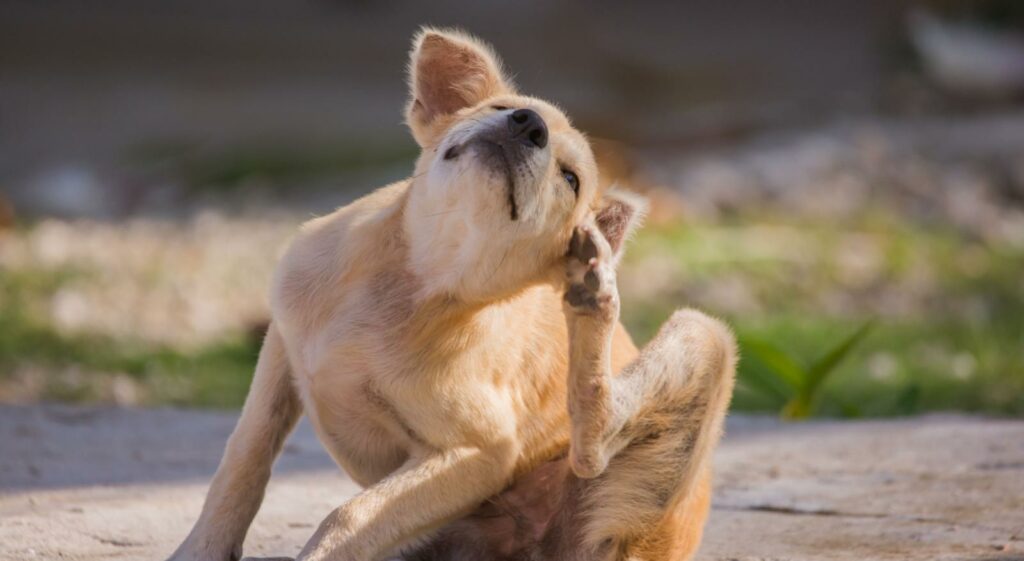
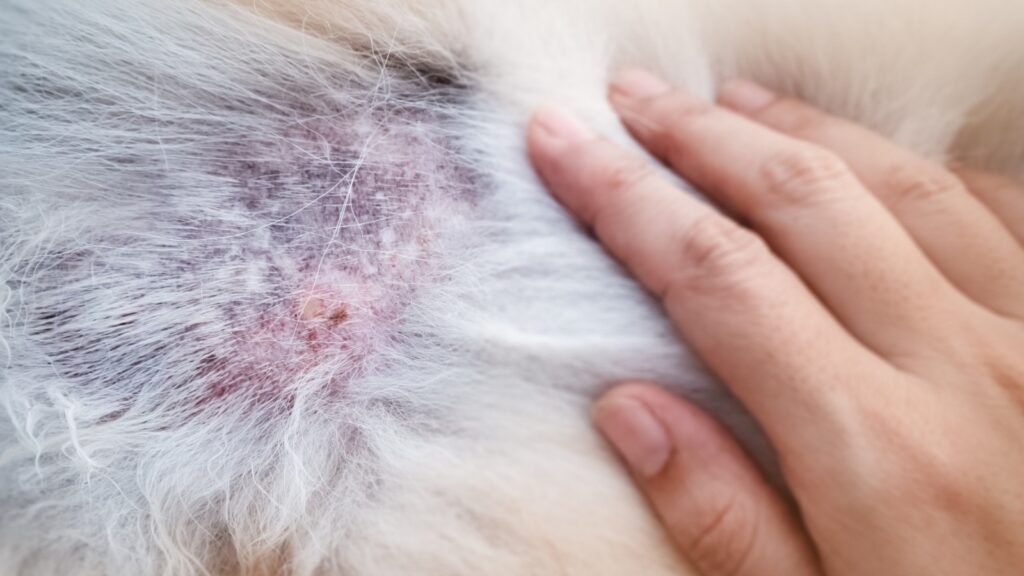
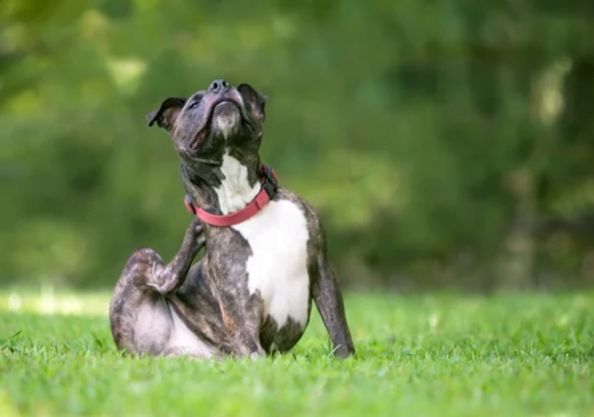
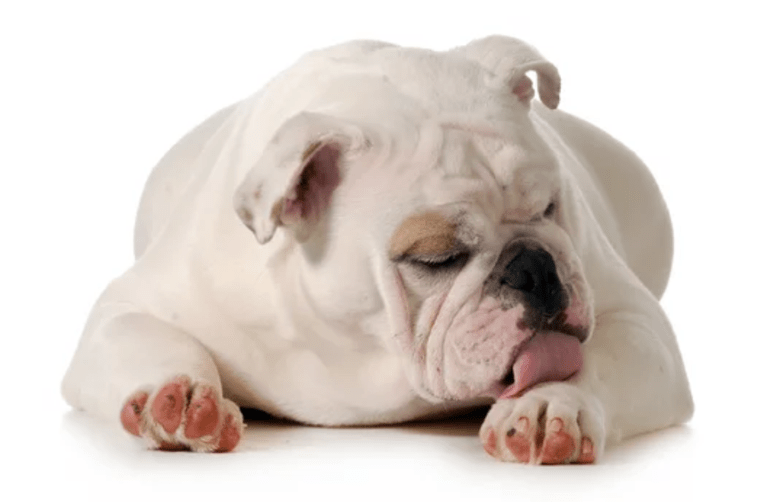
Here at My Pet Nutritionist, we deal with a huge amount of dogs with skin complaints. One of the skin complaints we see fairly often is Furunculosis. As a recurring skin infection, there are things we can do to support the body; read on to find out how we can help. What is Furunculosis? Furunculosis is a deeply embedded infection of the skin, or deep rooted inflammation of the skin. it is a bacterial infection of the skin and soft tissues, and emanates from the around, and inside the base of hair follicles, reaching through the dermis, and into the subcutaneous layers of the skin (the layers just beneath the skin’s surface). Findings Here Furunculosis clinically presents as small, often pus-filled boils on, or just under the skin. There are a few types of furunculosis you may have seen mentioned in your time as a dog owner, so let’s take a look at the common ones! Anal Furunculosis What is it? Probably one of the most common types of furunculosis mentioned by dog owners, is Anal Furunculosis. As per it’s name, this is where hair follicles around the anus become infected, and chronically inflamed. Another name for Anal Furunculosis is Perianal Fistula. This is an extremely painful type of furunculosis, as well as being one of the most difficult to treat, and stop from recurring. Findings Here Causes Evidence suggests it’s an immune mediated disease, as there is a strong genetic association with one specific allele, and tests show upregulated cytokine expression causing T-cell infiltration. It also tends to mostly affect middle aged dogs. Findings Here Findings Here A zinc deficiency could contribute to the onset of furunculosis too; zinc deficiencies usually present clinically in the form of a variety of skin issues. Findings Here Genetic predisposition is a common cause of anal furunclulosis, including the following breeds: German Shepherd (most common predisposition) Beagle Labrador Various Bulldog breeds Old English Sheepdog Australian Shepherd Staffordshire Bull Terrier Findings Here Symptoms There are various symptoms of anal furunculosis, but many are similar to general anal gland troubles, and not obvious until the infected boils begin to show. Some signs and symptoms include: Scooting Licking/nibbling around the anus and base of the tail Change in posture Difficulty passing faeces Bloodied stool (bright red) Lethargy Potential weight loss Interdigital Furunculosis What is it? Many of our readers will likely have seen ‘interdigital cysts’ mentioned by other dog owners – these are incredibly common in our domestic dogs. ‘Interdigital cyst’ is the somewhat shorter, almost self-explanatory term for Interdigital Furunculosis. Interdigital means ‘between the digits’ – no, not number in this sense; but the toes. Inflamed and infected boils/cysts appear between the toes, causing pain and annoyance to the dog, due to infection showing outwardly, from the hair follicles in the area. Findings Here Causes Most causes of Interdigital Furunculosis are down to trauma to hair follicles present between the toes. A variety of things can cause this, which we will discuss below, but first, we will take a look at some other potential causes of interdigital cysts. Endocrine diseases such as Cushing’s Disease and hypothyroidism can contribute to problems internally with the hair follicles around the toes. Bacterial and fungal infections in the foot areas, including yeast (for which you can read more about in our blog here), and various strains of Staphylococcus infection, can cause the onset of furunculosis in between the toes. Now on to the trauma related causes! Paw licking is a huge risk factor for hair follicle trauma between the toes. Paw licking can be caused by food sensitivities, anxiety, pain in the area, or even due to compulsive neurological disorders. Foreign bodies like the dreaded grass seed may also cause both paw licking, and generalised inflammation of the toe area, and therefore increase the risk of interdigital furunculosis. The root cause of any paw licking must be found and treated as a matter of importance! The length of a dog’s paw hair can also cause trauma to the hair follicles. When the dog walks on his or her feet, the hair between the toes may rub, which causes skin inflammation, and leaves the hair follicles vulnerable to infection. Those with longer fur between the toes, may be at a much lower risk of hair follicle damage, as the fur helps protect the follicles. Dog breeds at a greater risk of interdigital irritation due to their shorter coat length include: Various Bulldog breeds Basset Hound Staffordshire Bull Terrier Pug Great Dane Boxer Boston Terrier Beagle The shape of the dog’s foot can also have bearing on it’s potential for the onset of Interdigital Furunculosis. Those with wider gaps between their toes leave the skin in between their toes open to irritation by the environment. Those who are overweight are also more likely to have poor paw conformation whereby their toes spread, causing potential for irritation of the interdigital hair follicles. Findings Here Symptoms Early signs of Interdigital Furunculosis are a little easier to spot than Anal Furunculosis. Generally, the area will become red to start with, and slight swelling may become apparent. In cases where a foreign body is present, oozing of the area may occur. This needs veterinary treatment right away. The dog will usually lick, nibble and or favour the paw(s) affected, which is a very strong sign of a paw ailment. Once fully established, the Interdigital Furunculosis will present as a large swelling between the toes, usually warm or hot to touch, and very red in colour. It can be a shiny texture on it’s surface too, due to the swelling of a specific hair follicle, and lack of fur on it. Findings Here General Furunculosis After Grooming What is it? While there’s generally no single reason for the onset of both Anal and Interdigital Furunculosis, generalized post-grooming Furunculosis has a clear trigger, and usually crops up 24-48 hours after a dog has been groomed. It can establish in any part of the body, particularly in
Here at My Pet Nutritionist, we see many dogs with severe gastritis. There are so many types of gastritis, and Lymphoplasmacytic, or Lymphocytic-plasmacytic, Gastritis is one of the common types of gastritis we see. It’s quite a mouthful of a word, so hopefully this blog should simplify it, and give our readers a deeper understanding of the condition, and how we can help through food, lifestyle changes, and supplementation. What Is Lymphoplasmacytic Gastritis? Don’t let the length of the word scare you – you may not have heard of Lymphoplasmacytic Gastritis before, but it’s likely you have heard of IBD; Inflammatory Bowel Disease. Lymphoplasmacytic Gastritis is a chronic form of IBD, whereby inflammatory cells and cytokines (the substance which stimulates inflammation of cells) penetrate the stomach and intestinal lining. As you can imagine, when inflammatory cells enter the digestive system, it causes havoc! The inflammatory cells invade the stomach and intestinal lining due to having been subject to an abnormal immune response. There is a huge link to the lymphatic system in the gut too; which means a knock on effect to the rest of the body is very likely. This is where the name ‘Lymphoplasmacytic’ comes from – the link with the lymphatic system. Lymphoplasmacytic Gastritis happens most commonly in older dogs, but has been known in dogs as young as 8 months old. There are a number of conditions which have very similar symptoms to Lymphoplasmacytic Gastritis, including Giardia, a protozoan parasite we see regularly, Salmonella poisoning, Pancreatitis, and Small Intestinal Bacterial Overgrowth (SIBO) which we also see frequently. A more severe health condition with similar symptoms is Lymphocytic Gastritis-Like T Cell Lymphoma. These similarities make diagnosis a little tricky. Findings Here Findings Here Findings Here Symptoms of Lymphoplasmacytic Gastritis This leads us nicely on to spotting the signs and symptoms of Lymphoplasmacytic Gastritis. There are a variety of symptoms of Lymphoplasmacytic Gastritis, which are as follows: Infrequent flares to start, gradually becoming more frequent as time goes on Chronic diarrhoea Nausea and Vomiting Bloody vomit Loss of appetite Weight loss Abdominal swelling Dark, bloody stool Coughing up blood Lethargy Some dogs may struggle to breathe Diagnosing Lymphoplasmacytic Gastritis As with any symptomatic patient, it’s incredibly important to visit your veterinary surgery, and have a consultation with your veterinarian in order to properly diagnose the condition and work out your next plan of action. Your vet will take a sample of blood in order to run a full blood panel to look for potential issues with your dog’s blood values. The blood values are commonly within normal ranges for dogs suffering with this condition, but some are slightly anaemic, or have lower than normal levels of proteins in the blood. A test for pancreatic function may be carried out to rule out the possibility of pancreatitis, and Vitamin B12 and Folate levels may be tested; this checks the intestines ability to absorb efficiently. You can read more on folate and B12 levels in our blog here! The final, and possibly most helpful step in diagnosis of Lymphoplasmacytic Gastritis, is scanning. While standard x-rays tend to look ‘normal’, ultrasounds will show inflammation in the bowel area, and are often the key to diagnosis. Some vets may carry out a Barium radiograph, which is more useful than a standard x-ray, but not preferable to an ultrasound. For definite confirmation of Lymphoplasmacytic Gastritis, a biopsy will be taken. Findings Here What Causes Lymphoplasmacytic Gastritis? There are various causes of Lymphoplasmacytic Gastritis. Let’s take a look at them! Breed predisposition: some breeds are genetically predisposed to the condition. These include the cocker spaniel, basenji, shar pei, German shepherd, Yorkshire terrier and wheaton terrier. Food sensitivities: always a big topic here at MPN, food intolerances and allergies can be a huge factor for the development of Lymphoplasmacytic gastritis. SIBO (Small Intestinal Bacterial Overgrowth): bacterial overgrowth damages the gut, which in turn leads to inflammation Parasites: parasitic infection can lead to major inflammation in the gut and bowel. Bacterial infection: having a bacterial infection causes an imbalance in the gut microbiome, which has a huge knock on effect within the body. Inflammation is a major issue caused by this. Findings Here Findings Here Conventional Treatments Of course, there will be pharmaceutical approaches your vet may offer. Once independently researching these, you may wish to proceed, but you may wish to support the body naturally. We cannot sway your opinion either way, so it’s important to listen to your veterinarian, and fully research recommendations, particularly longer term recommendations. It’s likely your vet will prescribe a binding medication, which helps bind the contents of the bowel – these pastes usually contain a beneficial clay called Kaolin, and a probiotic to help repopulate the gut. Anti-nausea medication may be essential in the initial recovery of your dog, to enable the dog to stop vomiting, and hopefully encourage eating. As your dog will likely be dehydrated due to the chronic diarrhoea and vomiting they will likely suffer, it will be important to rehydrate through intravenous fluids. IV fluids will be carried out at the veterinary practise. To help the initial recovery, your vet may also prescribe antibiotics in case of infection, steroids to help reduce inflammation in an effective and timely manner, and diuretic medication to reduce the amount of excess fluids in the body. After the first round of medication, your dog will be reassessed, and further treatment decided upon, if necessary. Your vet may offer an antiparasitic medication at this point, however we would advice a full faecal panel first, as there’s no point treating something that is not there! Your vet may discuss dietary changes to help reduce the risk of reoccurrence, and this is where we can help! Findings Here Findings Here Supporting the Body Naturally So how can we support the body naturally, to keep on top of Lymphoplasmacytic Gastritis? Diet Diet plays a large role in supporting the body. As always, fresh food is most suitable for those with Lymphoplasmacytic Gastritis.
Yeast is a problem we see very often here at My Pet Nutritionist. Owners often feel they have run out of options with regards to treating the yeast, so this guide has been made with the goal of helping you overcome yeast; you may just see something missing from your routine which could be the missing piece for success! What Is Yeast? Yeast, as we commonly call it, comes in two forms – Candida; a fungal pathogen, and Malassezia; a skin based hydrophobic yeast. Candida makes up a small portion of a healthy gut microbiome, and is naturally found in the gut, and genital tract. While candida is a very normal part of a healthy gut, if the gut is not kept in tip top condition, it can cause problems. In the healthy gut microbiome, there are good bacteria, and there are bad bacteria. The good bacteria keep the levels of bad bacteria in check, which means the bad bacteria aren’t able to wreak havoc! When the gut is impaired the opportunistic fungal pathogen, candida will take hold, and grow. Now we have too much of the ‘bad guys’ and not enough of the good bacteria to fight it off, and so candida takes over! Once candida has taken over, and the gut is not healed, we start to see the typical yeast symptoms in our pets. Malassezia often happens as a result of environmental allergies, as the skin barrier is damaged, allowing for the formation of yeast on the skin. Much like inside the gut, the skin has it’s own microbiome, in which the bad pathogens are kept in check by the good. When the good pathogens diminish, the bad ones are able to take over! This is something we see in a vast amount of customers who come to us with a dog with environmental allergies. Symptoms include: Rusty colour, mainly between toes and paw pads, ears, under the tail, and around the groin and armpit areas. It can occur in other places too, but these moister areas are prime location for it! Repetitive paw licking Licking under the tail area Ear scratching and head shaking Excessively rubbing face and body on walls and furniture Hair loss An unmistakable odour; much like a damp, cheesy smell, or popcorn-like smell Sometimes discharge is apparent in yeast cases More Information on yeast can be found here. Let’s take a look at how we can help our dogs battle Candida and Malassezia! Battling Yeast When dealing with yeast, there are many contributing lifestyle and nutrition factors, which may need to be tweaked a little, or added to combat the pathogens, and repair both the gut barrier, and the skin barrier. Diet As always, here at My Pet Nutritionist, we are very fresh food forward. Feeding a dog with yeast is no different – one of the main steps to battling yeast, is cutting out dry food as much as possible. A fresh, balanced diet would be your best option whether it’s raw, or homecooked using one of our balanced recipes. Why does diet matter for those suffering from yeast? Let’s take a look at the composition and manufacturing process of dry foods, first and foremost. Kibble is high in carbohydrates: generally speaking, most kibbles are between a whopping 30 and 70% carbohydrates! Carbohydrates are sugars – a fantastic food source for yeast! The canine body struggles to digest carbohydrates often found dry foods, which causes gut inflammation. Kibble is ultra processed: excessive processing causes the food to become inflammatory. When the gut becomes inflamed, damage occurs, which leaves the microbiome vulnerable, and causes imbalances as the bad microbes out compete the good microbes. Advanced Glycation End Products (AGEs) are produced during high heat manufacturing and extrusion of dry foods. AGEs not only speed up the ageing process, but they have many other health disadvantages too, one being that they expand the life of yeast. We need to cut out products which produce AGEs when we are battling yeast! Findings Here Why can fresh feeding help combat yeast? You can tweak the diet to ensure there’s no starchy carbohydrates. Less ‘food’ for the yeast! It’s much easier on the gut, as it’s highly digestible! This means less gut damage and less inflammation. There’s no high temperatures or vigorous processing involved, meaning no AGEs form! What do we need to include in a fresh diet for yeast sufferers? Our recipes for cooked foods are already balanced for you! However if you are raw feeding, you will want to feed 80% muscle meat, 10% bone, 10% secreting offal (half liver, half other secreting offal, preferably!) with the addition of omega 3 sources like raw eggs, fish oils and oily fish, and algal oils. Some vegetables may be suitable to be added to the diet of a yeasty beastie, but we need to be very selective, and very careful which ones we pick! High fibre, low starch veggies are ideal, if tolerated – it’s wise to start off by giving a miniscule amount of plant matter, and gradually building up to 10% plant matter. Some options are broccoli, kale, and cabbage. Try to avoid starchy carbohydrate plants such as sweet potato, carrot and squash. Supplements There are so many supplements on the market these days – it can feel quite daunting selecting the most suitable ones for your pet. Some are better than others when it comes to battling yeast. Gut healing: gut healing supplements are very important – in order to regain balance in the gut microbiome, we want the gut to be in a good, healthy, and strong state. Mucilage herbs are our friend here! Slippery Elm, Marshmallow Root and Deglycyrrhizinated Liquorice are all great for this purpose! Gut Guardian Probiotics: probiotics are essential for yeast sufferers, as they help to rebalance the gut microbiome, by out competing the bad bacteria, which in turn will aid the recovery of the skin barrier. Once there are sufficient levels of good bacteria, the ratio
Pancreatitis flare ups are often a concerning time for pet owners. With so many associated triggers, tailoring the individual dog’s routine to their needs is very important. One of the triggers we see a lot here at My Pet Nutritionist, is food sensitivities. Read on to learn more about how food sensitivities can be linked to pancreatic flares. A bit about the pancreas The pancreas is a very important organ in the body; it is part of the digestive, and endocrine systems. It’s role in the digestive system is to produce digestive enzymes to aid the breakdown of foods, with fat and protein being the main targets. Within the endocrine system, the pancreas produces insulin; a hormone which controls blood sugar levels. The pancreas is located in the abdominal region, on the right hand side, near the stomach, and above the intestines. The pancreatic duct attaches the pancreas to the small intestine, and transports the digestive juices made by the pancreas, into the small intestine, to be able to begin breaking food down. Before reaching the intestine, however, another duct from the gallbladder joins the pancreatic duct, and transports bile to the intestine. Findings Here When the pancreas becomes inflamed it releases the digestive enzymes it produces too early, which can result in the body starting to digest the pancreas itself, as well as the abdominal cavity; this is a pancreatic flare. Acute pancreatitis happens suddenly whether it is a mild flare, or a severe flare which hospitalises the pet. Chronic pancreatitis on the other hand, tends to happen for longer periods of time, and intermittently – symptoms are generally milder, but more constant than acute pancreatitis cases. Dogs with enzyme deficiencies, nutritional imbalances or intolerances, or other endocrine conditions tend to get chronic pancreatitis as opposed to acute pancreatitis. Dogs suffering with chronic pancreatitis are often found to be deficient in Vitamins C and E, as well as selenium. The main health condition associated with pancreatic flares, is Pancreatitis. Symptoms of a pancreatic flare are as follows: Vomiting Diarrhoea, sometimes bloody Fever/high temperature Increased heartrate Dehydration Digestive difficulties Abdominal pain (the ‘downward dog’ position, are hunched over back are classic signs of this) Low appetite Pressures on the pancreas For those suffering with pancreatic flares, or pancreatitis in general, it is extremely important to recognise, and understand the triggers of a flare. Let’s discuss the major trigger of a pancreatic flare. Fats More specifically, excess fats, and the wrong type of fats! Fat reduction in the diet is one of the most common things we hear pet owners panic about when their dog has pancreatitis, or a pancreatic flare. While excess fats can be very hard on the already inflamed pancreas, some fats such as fish oils and olive oils have been shown to block cellular mechanisms involved in the development of acute pancreatitis. Massively restricting fat may not be completely necessary long term for pancreatitis patients, but short term during a flare, may be worth reducing. We tend to advise 15% dry matter fat content in the diet of a pancreatitis patient, which is around 5% crude fat. In non-severe cases, the fat content can be gradually increased. Feeding a high fat diet, where the dog is unable to fully digest the fat consumed, can put pressure on the pancreas due to high blood fat content. More digestive enzymes are required for digestion of excessive fats, which causes the pancreas to overwork in order to produce those enzymes. Overworking an organ causes inflammation, which leads to health problems associated with that organ; in this case, a pancreatic flare. Carbs A less well known approach among dog owners, carbohydrates should be kept to a minimum in all dogs, but especially in those with pancreatitis. There is a huge link between high-carbohydrate diets, and an increase in excess blood fat. This is why it is important to steer away from dry food/kibble based diets – these are high in carbs, and the high carb content leads to high blood fat content, which as just discussed causes the pancreas to overwork. Findings Here Findings Here Findings Here Findings Here High carbohydrate dry food diets also lack suitable amounts of vitamin E, due to it being an unstable vitamin, and the long shelf life of dry foods causes the vitamin E content to diminish by around 30% just 6 months from manufacture. As previously mentioned, those with chronic pancreatitis tend to be deficient in vitamin E already, so feeding a high carb, processed diet low in suitable vitamin E may not be a great idea. Vitamin E plays an important role in the removal of excess fat from the body. Less Vitamin E = More excess fat = Pressure on the Pancreas Findings Here Food Sensitivities As the main topic of this blog; food sensitivities can put huge pressure on the pancreas, linking them with pancreatic flares. It is incredibly important to work on your dog’s food intolerances so many reasons, pancreatic pressure being one of them. More on this subject later. Genetic Predisposition As with many health complaints, genetic predispositions are very much a problem with pancreatic flares. Whereas all breeds can suffer with pancreatitis, some breeds are more prone than others, purely down to their breed, and genetics. These breeds include: Miniature Schnauzers Miniature Poodles (and crosses of!) Cocker Spaniels Cavalier King Charles Spaniels Boxers Collies To find out more about pancreatitis, and how dietary changes, lifestyle changes, and correct supplementation can help, have a read of our Natural Guide to Pancreatitis! How do food sensitivities affect the pancreas? So, how do food sensitivities affect the pancreas, resulting in pancreatic flares? Food sensitivities are largely down to gut health, and immune modulation. If you are a regular reader of our blogs, you will notice us mention Leaky Gut a lot as well as inflammation. 70-80% of the immune system lays in the gut, so gut health is always paramount! Leaky Gut As per the condition’s name, leaky gut sufferers
Here at My Pet Nutritionist, we see lots of cases of Hotspots. Those seeing a hotspot for the first time can be worrying; those who deal with them regularly may feel overwhelmed, and frustrated at their regular reappearance. In this blog we will look at what hotspots are, how they happen, their link to gut health, and how we can support the body to heal them efficiently. What Are Hotspots? Hotspots are scientifically known as Pyotraumatic Dermatitis. Another common name for them is ‘Acute Moist Dermatitis’; this name gives more of a visual impression of what you can expect to see of a hotspot case. They present as red raw, moist areas of hairloss, and can happen on both dogs and cats. There is no specific place hotspots can happen on the body, and they tend to show up very quickly. Often confused with ringworm, hotspots are wet in appearance, and often more open/raw looking than ringworm. Ringworm also tends to occur in patches, as opposed to one single spot. Are they sore for your pet? Yes! Hotspots can be very sore for your pet, so it’s important not to leave them. You may notice increased itching and licking of the area, as well as potential behavioural changes due to pain. The sore my ooze liquid, particularly if the hotspot has become infected, which would also bring an unpleasant odour. The fur around the edge of the lesion may be matted. There is no correlation between age, sex or breed when it comes to the likelihood of s dog getting a hotspot. Findings Here What Causes Them? Hotspots are caused by bacterial overgrowth, or are secondary to another underlaying health issue. The biggest trigger for hotspots, is repeated itching of an area on the body. This can make hotspots a secondary health problem to allergies and intolerances, flea infestations and other insect bites, ear infections, grass seeds, stress and anxiety, and poor grooming husbandry when matts are close to the skin. The constant itching and licking of an area makes the perfect growth site for bacteria – moisture and warmth are bacteria’s favourite conditions! Findings Here Findings Here Hotspots and Gut Health As with most skin related problems, there is a huge link with poor gut health. We need to look closely at the Skin-Gut Axis. The skin and gut barrier share many qualities, as they’re both highly vascularised and innervated due to their role in both immune function, and neuro-endocrine function. When looking at the inside of the gut and the surface of the skin, to the naked eye they may seem worlds apart, but both are covered in epithelial cells which both make direct contact with the corresponding environment (the skin contacts particles in the air, things we touch etc, and the inside of the gut touches everything moving through the gut). The biggest similarity between the skin and the gut, is that they both possess their own microbiome. I’m sure you’ve heard us talking about the microbiome on many occasions; but that is because the microbiome is so incredibly important for health and proper functioning of various systems and organs. The microbiome is made up of all microbes the relevant organ uses, and makes contact with, including good (and bad!) bacteria, viruses, fungi, protozoa and other parasites. Gut Guardian There are many studies which prove positive links between probiotic supplementation and skin quality, which can be found in our blog about the gut-skin axis! Metabolites from the gut are shown to link directly to the skin’s ability to fight off ‘nasties’ which would in turn, reduce the risk of hotspots. An important neurotransmitter called Acetylcholine also plays a role in the functioning of the skin’s barrier, and how it deals with overgrowth of bacteria. Supporting the Body for Healing If your dog currently has a hotspot, it’s very important to treat it as soon as possible, as it won’t go away on it’s own. If the hotspot is oozing a yellow or creamy colour, you will need to seek veterinary attention, however it is important to work on the gut following use of antibiotics your vet may prescribe. Step 1: Shave the Fur Gently shave the fur around the hotspot – this enables you to see the full extent of the hotspot, and gives you a clean area to treat it, without the risk of fur getting into the wound. It also allows the hotspot to ‘breathe’, which is imperative in helping it dry up. Step 2: Clean the Area Using either boiled and cooled salt water, colloidal silver, Leucillin/Dew, or probiotic wound spray, gently clean the area to ensure there’s no bad bacteria on or around the hotspot. Pat it dry gently with a cotton pad. Step 3: Apply Green Clay With a clean, soft brush, such as a clean makeup brush, lightly dust some green clay on the hotspot – green clay is an excellent ‘staple’ for the dog cupboard (come on, everyone has a dog cupboard or drawer)! Green clay helps remove toxin from the skin, and helps dry the wound out. When purchasing your clay, ensure the product is 100% green clay, as some products contain added ingredients, including fragrances, which we definitely don’t want to use on our dogs! If you spot the hotspot getting wet through the clay, pop a little more on. Reapply the green clay once or twice per day, and keep the area dry at all times! Step 4: Prevent the Dog from Licking or Itching It’s important to not let the dog lick the wound, or get it wet. Itching the wound can aggravate it too, so don’t let them do this! You may need to resort to the cone of shame (Elizabethan collar, lampshade, or whatever you might call it!) for a few days to achieve this. Depending on where on the body the hotspot is, you may be able to use a clean t-shirt or sock to help cover it. Step 5: Wait! Hopefully
Paw biting is probably one of the most common symptoms we see among our clients at My Pet Nutritionist. It’s daunting when your dog just wont stop! The noise of paw chewing, every owner of a paw biter knows… it can be draining! Our handy guide may help you understand why your dog is biting his paws, and what you could do to help alleviate it. Exposure to chemicals Exposure to chemicals in various aspects of life, can have a massive effect on your dog’s health – especially gut health, which can lead to symptoms such as itchy paws and undercarriage. Let’s discuss the effects flea and worm treatments, household cleaners, and environmental products can have on itchy paws! Flea and Worm Treatments Flea and worm treatments may seem rather an odd cause of paw biting, as flea and worm treatments are administered either orally, or on the skin. These products are so very damaging to the body, both internally, and externally. Not only can they cause chemical burns, and sore skin, as well as neurological problems, they can also damage the gut. A damaged gut can cause a histamine response in the body, which brings with it, symptoms such as excessive itching and licking, including paw biting. We would recommend switching to natural alternatives for flea and worm prevention. Household Cleaning Products It’s important to be mindful of the ingredients used in household cleaning and laundry products. An enormous amount of the ingredients in many laundry products and cleaning products are skin irritants. Try to use as natural products as possible – some natural pet companies stock natural laundry and cleaning products, probiotic laundry and cleaning products, or you can make your own! But my cleaning product states ‘pet friendly’?! Unfortunately, this simply means that it wont kill your pet. Great, but skin irritations are still very prevalent! Dogs make nearly constant contact between their feet, and the floor or soft furnishings, meaning they are more at risk of contact allergies on the feet, causing biting. Environmental Products Navigating around environmental toxins can be extremely tricky. The vast majority of councils in the UK tend to spray weed killer on the streets. These are just one of the environmental products which can contribute to paw biting. Others include patio cleaners, professional astroturf cleaners, grit/antifreeze, and many others. Washing paws after walks is a great idea to help reduce the risk of these toxins affecting the comfort of the dog’s paws. Yeast Yeast tends to have a very familiar symptom, along with the paw biting; a rusty colour on and around the toes. Yeast has two pathways – from the gut, and purely on the skin. Most yeast we see is down to an unhealthy gut, which allows for the overgrowth of candida, however, less commonly dogs may get Malassezia; which is a yeast infection on the skin. Candida Candida is a fungus which occurs naturally on the skin, and in the gut. When it is present in the correct amount, it’s a healthy part of a well-functioning microbiome. The issue comes when candida out competes good bacteria – this leads to a yeast infection. This predominantly occurs in the small intestine, and is aptly named Small Intestine Fungal Infection (SIFO). Overgrowths of candida can be down to exposure to the aforementioned toxins, poor gut health (and therefore a weakened immune system), allergies and intolerances, and antibiotics. As antibiotics not only attack bad bacteria, they also attack the good bacteria, which allows for the growth of fungi such as candida. As yeast thrives on sugar, its important to cut out any high carb, starchy, and sugary foods. Dry food can contain anywhere between 30 and 70% carbohydrates! This means that feeding a balanced fresh food would be the best option. It is also very important to keep on top of, or get to the bottom of allergies and intolerances; running an elimination diet, and healing the gut with mucilage herbs and probiotics is usually the winning combo when getting to the bottom of intolerances. Vaccines, some types of fish such as tuna, and even tap water are contaminated with heavy metals – yeast also thrives on heavy metal exposure, so it’s also important to not use such products, and use filtered water. Working on gut health is very important – you may find our Gut Guardian supplement useful! Findings Here Findings Here Malassezia Folliculitis Affecting only the skin, Malassezia Folliculitis is the skin-specific species of yeast fungus. Often called Fungal Acne, Malassezia causes acne-like pimples on the skin due to the yeast infecting hair follicles. Malassezia can be harder to treat than candida, but thankfully, rarely affects the paws. Findings Here Findings Here You can fund out more about yeast in our blog here! Allergies and Intolerances Unbeknownst to many, allergies and intolerances are very different from one another, and intolerances are often mistaken for allergies. Intolerances are the digestive inability to break down certain foods, specifically proteins. The inability to digest proteins properly, causes intolerances to develop. They can be worked on and improved through gut-work using mucilage herbs, and probiotics such as our Gut Guardian supplement. Allergies are much more severe, and are down to immune modulation – true allergies cannot really be improved. In some cases, allergies are life threatening. An interesting fact, is that in food reactivity cases, on average 10% are true allergies, whereas 90% are intolerances. Food Food allergies and intolerances can affect paw biting, due to poor gut integrity which causes a histamine response by the body. When the body reacts to a sudden influx of histamine, one of the most common symptoms is itching. Irritation can, and often does happen all over the body. Red sores, constant scratching, restlessness, and frustrated panting can all show your dog is itchy. Paw biting is one of these common symptoms too – this shows the dog’s paws are itching, as part of the immune response to foreign particles in the bloodstream. Contact Contact allergies
Here at My Pet Nutritionist, acid reflux is one of the most common issues we come across in our consultations. Dogs with acid reflux may have it for a variety of reasons, from allergies to BOAS, and many other reasons in between. These dogs are often less tolerable of some generally preferred diets, so require a specific diet and supplement regime, which we will discuss here! A Bit About Acid Reflux Acid reflux is formally known as gastroesophageal reflux disease (GERD). When a dog eats, a mixture is formed in the stomach, comprising of stomach acid, salts and bile; this is called chime. Those with acid reflux suffer from the chime mixture entering the oesophagus. Acid reflux is a symptom of many underlying health conditions, and can be very uncomfortable. While acid reflux itself is not life threatening, it can lead to oesophageal ulcers due to repeated inflammation of the lining of the oesophagus, as well as the potential risk of aspiration pneumonia. Symptoms of Acid Reflux include: Bad breath Regular burping and regurgitation Tenderness of the stomach (bowing is the main sign of this) Constipation or diarrhoea Lack of appetite Lethargy Wheezing and dry coughs Weight loss Acid reflux is often caused by low stomach acid, contrary to what many may assume. Proton pump inhibitors are often prescribed under the assumption that the dog has too much stomach acid, however it’s often the exact opposite issue. This may seem an odd concept, however it becomes clear that when the stomach is lacking acid, it is unable to fully digest food at a high enough rate, so the food tends to sit in the stomach, which is then regurgitated. For more information on acid reflux, read our blog here! Diet When is comes to feeding a dog with acid reflux, it’s important not to feed processed foods. Processed foods such as kibble, are very inflammatory, which ultimately reduces stomach acid. A reduction in stomach acid can be a major trigger for acid reflux, as there’s less acid to digest foods. Fresh feeding for acid reflux dogs can be raw, or lightly cooked. Many dogs with acid reflux find it difficult to tolerate raw food, as the food sits in the stomach for a long time; when it sits in the stomach in chime, gasses are released, and the chance of reflux increases. Cooked food is often the best option. When feeding a cooked food, it is incredibly important to follow a balanced recipe, such as our recipes! Sticking to the leaner protein options such as the white fish recipe may be the best option, as feeding fattier proteins may cause more issue for dogs who are unable to digest efficiently. Acid reflux is often a symptom of allergies, so it’s important to get to the bottom of the dog’s allergies, and eliminate trigger proteins from the diet. To achieve this, an elimination diet should be carried out. Why not book in with one of our team for guidance through an elimination diet? Ensure there is plenty of fibre in the diet. Insoluble fibre increases gut and stomach motility, which is essential for those suffering from acid reflux. Some great sources of insoluble dietary fibre are: Broccoli Leafy greens Cauliflower Carrots Berries Findings Here Feeding a good variety of proteins (if allergy constraints allow), and a variety of plant matter can help ensure there are no vitamin deficiencies, which could contribute to acid reflux. In the human world, bariatric surgery patients often suffer with GERD, due to the inability to consume sufficient amounts of vitamins and minerals – nutritional deficiencies can impact our dogs too! Zinc deficiencies are common among acid reflux patients as it is thought that zinc helps protect the lining of the stomach. Findings Here Findings Here Working on getting to the bottom of any allergies and intolerances is important in helping relieve your dog of symptoms too! Allergies and intolerances are largely down to gut health, which causes a knock on effect on acid reflux. It’s also very important to choose the correct supplements to give your dog when suffering with acid reflux. Supplements The first, and most important supplement, or group of supplements we will be looking at, is those that aid gut health. Mucilage Herbs Mucilage herbs include Slippery Elm, Marshmallow Root, and Declycyrrhizinated Liquorice Root. These herbs are excellent for healing the gut, as they coat the digestive system. They not only help heal the gut, but they also soothe the oesophageal tract which is great for those suffering with acid reflux. Our probiotic and mucilage herb blend, Gut Guardian, may be perfect for your dog! Probiotics Probiotics are essential for a healthy gut. They help the gut microbiome flourish, which in turn aids digestion of foods, reducing the risk of chime sitting in the gut. Our aforementioned Gut Guardian supplement contains a great variety of clean probiotics, so may be a great choice for your dog! Findings Here Digestive Enzymes Some dogs, especially our acid reflux dogs, often suffer from poor digestion, due to insufficient amounts of the required digestive enzymes. When lacking such enzymes, food sits in the stomach in the chime mixture, which is them repeatedly regurgitated. Giving a good digestive enzyme may be pivotal to your dog’s recovery, or management of acid reflux. The two enzymes as play in this situation are Pepsin and Trypsin. Findings Here Rhodiola This is a herb, less commonly known in general, which contributes to responding to physical and mental stressors. As well as aiding those with diabetes, cancer, and anxiety, Rhodiola is great at helping the body cope with the physical stressors acid reflux brings. Findings Here Theanine Theanine is a non-protien amino acid which occurs naturally in tea. It plays a role in the prevention of acid refluc flare ups by increasing GABA activity, and reduce oesophageal sphincter relaxations. Together these reduce the symptoms of acid reflux. Findings Here If your dog has acid reflux, and you are unsure what to feed
Here at My Pet Nutritionist, we deal with a huge amount of dogs with a variety of allergy symptoms. Some of our clients dogs have been diagnosed with Mast Cell Activation Syndrome (MCAS), which is an incurable disease, presented as repeated anaphylactic symptoms. What are Mast Cells? Found in the epithelial and mucosal tissues throughout the body, Mast Cells help regulate the formation of new blood cells, eliminate bacteria and parasites, and vasodilation as well as bone growth, and mineral homeostasis. Mast Cells also regulate cell function in various cell types, including: Dendritic cells Macrophages T Cells B Cells Fibroblasts Eosinophils Endothelial Cells Epithelial Cells While they’re very important parts of the body’s tissues, Mast Cells do produce and release substances which can be harmful in large quantities, including: Histamine Leukotrienes Heparin Proteases Prostanoids Cytokines Chemokines Growth factors What Does Mast Cell Activation Syndrome look like? There are a variety of symptoms associated with MCAS, including: Swelling of the body, either localised to one area, or general swelling. Nausea and vomiting Acute diarrhoea Hives Reduced/low blood pressure Difficulty breathing Difficulty swallowing Inability to stand or walk properly (may seem ‘drunk’) If any of these symptoms shows, it is imperative to seek veterinary attention immediately. If these symptoms occur regularly, then your dog may need to undergo tests for Mast Cell Activation Syndrome. What Causes Mast Cell Activation Syndrome? It is unclear what causes MCAS to develop. It is often an idiopathic condition – meaning it happens without clinical reason. As it’s a condition related to allergies and intolerances, it’s important to discover, and eliminate these triggers from the diet, to reduce the risk reaction. One study suggests a possible link to the onset of MCAS, in patients with underlying immune disorders. Findings Here How Does the Vet Test for Mast Cell Activation Syndrome? Blood tests will be carried out on your pet, to check for any elevated levels of histamines (which are released in the presence of a foreign body), tryptase (the markers of degeneration of mast cells, often produced during anaphylaxis), and prostaglandins (fatty compounds with a hormone-like effect in animals, which regulated inflammation). If one, or all of these are present in abnormally elevated amounts, a diagnosis of MCAS may be given, particularly if these episodes are regular, and any prescribed antihistamines calm symptoms down. Findings Here The veterinarian may prescribe histamine 1 and 2 blockers, mast cell inhibitors, mast cell stabilisers, NSAIDs, immune suppressants, or other pharmaceuticals, which inhibit the production of histmaines and tyrosine. One note to remember; some pharmaceuticals block DAO (Diamine Oxidase), which is the enzyme which breaks histamine down. We need histamine removed from the body as soon as possible so this is something to discuss with your veterinarian. How Can we Support the Body? Diet At My Pet Nutritionist, we are all about feeding a fresh diet, whether it be raw, or lightly cooked. Your chosen diet MUST be low histamine. Avoid fermented foods like kefir, sauerkraut, and ACV as these are high histamine, and avoid high histamine plant matter such as spinach, pumpkin, strawberry, and avocado. If making bone broth for your dog, replace the ACV with lemon juice for a lower histamine option! Read more about Mast Cell conditions, and low histamine diets here! So, why is fresh food best for those diagnosed with MCAS? Fresh food doesn’t contain unnecessary bulking ingredients, such as rice, maize/corn, other grains, legumes or nightshades. These ingredients all cause gut damage and/or are biologically inappropriate, and can be a major histamine release trigger. Fresh food is minimally processed. Ultra processed ‘dog food’ is often contaminated with glyphosate, and Advanced Glycation End-Products (AGEs), which are both damaging to the gut. It’s much easier to work on allergies and intolerances, using fresh food. This is important as we need to keep intolerances under control. Keep the Gut Healthy As with all potential allergy related issues, we need to keep the gut healthy! The gut microbiome is incredibly important to keep immunity strong, and reduce the risk of foreign particles being detected in the blood stream, having leaked from a gut with poor integrity. Any leaked particles will be targeted by histamine responses, which will increase the risk of a MCAS flare up. Some gut health supplements include slippery elm, marshmallow root, Deglycyrrhizinated Liquorice Root. These should be paired with a good probiotic. The My Pet Nutritionist Gut Guardian supplement is perfect for dogs requiring gut work! Gut Guardian Work on allergies Ensuring any potential allergies or intolerances are under control is essential! Those suffering with any Mast Cell related conditions must have their histamine levels under control at all times, to reduce the risk of a flare up. As MCAS is heavily related to anaphylaxis, it is absolutely paramount that allergens are completely eradicated from the dog’s diet, and lifestyle. In order to eradicate the allergens, an elimination diet is to be carried out, whereby one single protein is fed for numerous weeks, and is eliminated from the diet if the dog continues to worsen. Once some safe proteins are established, it’s important to stick to feeding only these proteins. Read more on elimination diets here. Supplements As well as the aforementioned gut healing supplements, there are a number of other supplements which may help support the body. CBD: mast cells have cannabinoid receptors (like most cells in the mammalian body), which when inhibited, causes their production to be downregulated. Findings Here Findings Here Findings Here Quercetin: found in various fruits, green vegetables and stinging nettles, quercetin is a natural antihistamine as it downregulates the enzyme responsible for converting histidine to histamine. Quercetin also reduces production of prostaglandins and histamines as it inhibits the cells responsible for their release. The inflammatory cytokines which cause inflammation as a large part of MCAS, are also inhibited, which decreases their production. Findings Here Findings Here Findings Here Curcumin: this is the active component of turmeric; the main anti-inflammatory part. Another fantastic benefit of curcumin is that it inhibits
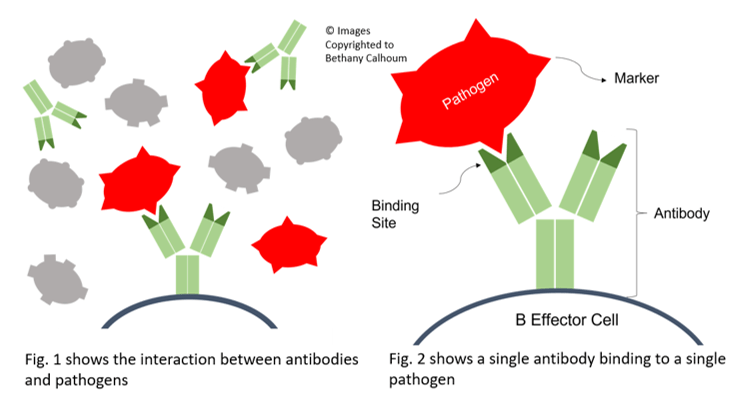
In Part 1, we discussed what Leaky Gut is, what autoimmunity is, and possible causes and symptoms of both. Read on to find out how they are linked, and more about the autoimmune diseases most commonly affected by Leaky Gut, as well as how we can support the body through diet, and supplements. How are Leaky Gut and Autoimmunity linked? A healthy gut microbiome is incredibly important as around 90% of the immune system is located in the gut! That’s quite a staggering figure, but it shows the importance of keeping the gut healthy and the microbiome strong. Let’s take a deeper look at some of the most common autoimmune diseases, and their link with Leaky Gut. Thyroid Issues One of the main issues with Leaky Gut and Autoimmunity, involves the thyroid. The body attacks the thyroid tissue as it recognises it as a foreign body. The reason the body sees thyroid tissue as a threat, is down to molecular mimicry. When the immune system releases antibodies to get rid of a threat, they bind at what is known as the ‘active site’, or ‘antigen binding site’. Antibodies are Y shaped proteins, and on the tips of the Y, the binding sites are found. These are a specific shape, to match the proteins on the antigens (the threatening particles). Take a look at the diagram at the top of this blog! Despite food particles clearly being very different to thyroid tissue cells, some of the attached proteins are the same shape on both the food particle and on the thyroid tissue cells. Gluten and Casein (dairy) are particularly alike to thyroid tissue cells, so when an antibody detects the protein it fits with, and binds to it, there’s a high chance it may be thyroid tissue instead of its real target; the food particle. Findings Here Findings Here Inflammatory Bowel Disease (IBD) A condition we hear a lot about, particularly on a professional basis as well as on social media posts when people ask advice on their poorly pets, is Inflammatory Bowel Disease. As per it’s name, this involves inflammation in the bowel, which can be as a result of Leaky Gut. When looking at IBD, diet is so important – many processed foods contain emulsifiers, which can include Cellulose Gum, and Polysorbate-80 (though this one is most inhuman foods, not pet foods). These have been found to interrupt interactions between the bacteria in the intestine, and the gut wall; resulting in the gut wall being less protected than it would be without the presence of these substances. This lack of positive interaction, teamed with the already permeable gut wall (due to Leaky Gut) can cause the onset of IBD. Findings Here Small Intestine Bacterial Overgrowth (SIBO), Yeast, and Candida can also contribute to IBD (and are all symptoms of Leaky Gut), which causes inflammation of the bowel, which further increases the risk of IBD onset. Studies show a huge affect on gut permeability when up-regulation of the protein called Zonulin is present. Zonulin helps regulate the permeability of the small intestine, but is detrimental in high numbers as it causes the gut to become more permeable. It is secreted by numerous organs within the body, and can be linked to Leaky Gut and the onset of IBD. Findings Here Findings Here Findings Here Immune-Mediated Haemolytic Anaemia (IMHA) IMHA is one of the more worrying autoimmune diseases, with a mortality rate close to 70%. There are many reasons a dog may be diagnosed with IMHA, including Vaccine Induced IMHA. When a dog has IMHA, the body is attacking it’s own red blood cells, which are important for transportation of oxygen from the lungs to all parts of the body for healthy muscle usage. IMHA can be caused in some rare cases, by a deficiency in Vitamin B12, which can be linked back to Leaky Gut. IMHA is also often as a knock on effect of other autoimmune diseases like Systemic Lupus Erythematosus. Findings Here Findings Here Diabetes Largely linked to Leaky Gut, Diabetes mellitus often requires lifelong medication. Similarly to the mimicry of thyroid tissues by antigens like Gluten and Casein, the onset of diabetes can be facilitated through normal cells being attacked incorrectly by the antibodies circulating the bloodstream. With diabetes cases, the immune reactions affect, and damage pancreatic beta cells (responsible for producing and secreting insulin), which then causes the over-production of cytokines, which in turn causes insulin resistance within the body. Healing the gut, and decreasing gut permeability may help relieve sufferers of diabetes symptoms. Studies show Type 1 Diabetes can be caused as a result of gut damage, but can also cause gut damage. Findings Here Findings Here Findings Here Findings Here Immune-Mediated Trombocytopenia (ITP) ITP is a platelet disorder, in which sufferers are unable to properly clot blood due to low platelet counts. Pathogenesis of ITP as a result of leaky gut has been proven to be due to imbalances in the gut microbiota, and the presence of cytokines which interfere with metabolism of fats. Patients with Leaky Gut, as we know, have a very imbalanced microbiome as bacteria leaks out through the channels in the gut wall. Certain strains of bacteria play an essential role at keeping ITP at bay, but are found to be of low levels in those diagnosed with ITP. When these helpful bacteria are leaked from the gut, cytokine production is increased, which then affects the metabolism of fats, which in turn causes pathogenesis of ITP because the lack of fat metabolism causes a lack of available fatty acids to enable the blood to clot. Findings Here Findings Here Findings Here Rheumatoid Arthritis The previously mentioned protein called Zonulin plays a part in Rheumatoid Arthritis (RA); a joint related autoimmune condition. Just like in IBD, when Zonulin is over-represented, the gut permeability cannot be controlled, and allows useful and harmful substances to enter the blood stream, which are then detected as threats by the immune system. The upregulation of
At My Pet Nutritionist, we regularly help people with their pets suffering with Leaky Gut Syndrome. There is a lot of evidence to link Leaky Gut with a variety of autoimmune diseases; issues we so very often offer support for. Read on to learn more about Leaky Gut, and the role it plays in autoimmunity. What is Leaky Gut? The condition is growing more and more common in both us humans, and our canine counterparts, and can lead to some pretty serious health issues, long term. The name ‘Leaky Gut’ does somewhat give the game away, but let’s look deeper into what actually happens in the gut of a normal dog,compared to one with Leaky Gut. In healthy individuals, after eating, the food passes through the gut. The gut consists of the stomach followed by the small intestine, followed by the large intestine (known as the ‘colon’), through which nutrients from the digested food are absorbed, before the waste is pushed out through the rectum, then anus. To enable a large surface area, for optimum nutrient absorption, the small intestine is lined with small finger-like structures called villi, which themselves are covered in even smaller finger-like structures, known as microvilli. The gut also houses lots of good bacteria to aid digestion – the colonies of good bacteria, along with yeast cells, any viral particles, or parasitic burdens, are collectively known as the ‘microbiome’. The gut wall is extremely thin, to allow efficient nutrient absorption. The cells lining the gut stay close together, and are supported by the interactions of immune cells, and good bacteria in the gut. In those suffering with Leaky Gut, inflammation occurs in the gut for various reasons, which causes the tight intestine wall to permeate, creating microscopic channels between the cells. Proteins/partially undigested foods then leak out through these channels and are detected by the immune system as a threat, causing a histamine response to occur, which is why one of the most common symptoms of Leaky Gut, is food intolerances. Other symptoms of Leaky Gut include: – Autoimmune Diseases – Issues with stools or sickness – Joint issues – Yeast – Problems concerning other major organs in the body – Hypothyroidism – Changes in behaviour; often anxious behaviour and short tempered behaviour Possible Causes of Leaky Gut include: – Over-use of vaccines; the adjuvants damage the gut flora – Use of certain pharmaceuticals ^ Flea, tick, and worm medications; they disrupt the gut microbiome by not only eradicating the visiting parasites (or often lack thereof), but the good bacteria too. ^ Antibiotics; these wipe out the good and bad bacteria ^ Antihistamines; these can interfere with the production of mucus in the gut, and can also interfere with the proper functioning of Diamine Oxidase (DAO), which is the enzyme responsible for breaking down, and removing histamine from within the gut. ^ NSAIDs and Steroids; these can cause ulcerations in the gut and interfere with mucosal production. – SIBO and Yeast overgrowth; Small Intestine Bacterial Overgrowth and Yeast damage the gut lining – Diet; feeding a dry food diet can put stress on the gut. Kibble often contains Glyphosate, which is an antibiotic herbicide and is toxic, as well as very damaging to the gut. Diets inclusive of legumes and other high-lectin content pulses, nightshades and vegetables may contribute to Leaky Gut as lectin causes poor gut integrity. Microscopic moulds often found on kibbles, known as mycotoxins are also detrimental to gut health, contributing to Leaky Gut. – Stress can have a huge effect on the gut integrity, as stress leads to inflammation – Ageing; as our dogs age, the microbiome becomes less diverse which leads to gut damage. Findings Here Findings Here Findings Here Findings Here Read our full Gut Dysbiosis blog here What is Autoimmunity? To better understand the link between Leaky Gut and Autoimmunity, we need to understand more about autoimmunity, what it is, and how it affects our pets (and us too!). Autoimmunity is sadly fairly common in both humans and pets and is often overlooked. When an individual has an autoimmune disease, the immune system releases antibodies and T-Killer Cells (cells of the immune system which target and kill cells infected with viruses and cancers) even when they are not in the presence of a necessary target, which causes them to attack normal, previously healthy parts of the body. In layman’s terms, the body attacks itself! There are more than 80 different autoimmune diseases in existence, though not all of these affect dogs. Some of the most common autoimmune diseases we see in dogs are: – Hypothyroidism – Inflammatory Bowel Disease (IBD) – Immune-Mediated Haemolytic Anaemia (IMHA) – Diabetes – Immune-Mediated Trombocytopenia (ITP) – Rheumatoid Arthritis – Hypoadrenocorticism (Addison’s Disease) – Periodontal Disease – Degenerative Myelopathy – Immune-Mediated Polyarthritis (IMPA) – Systemic Lupus Erythematosus (SLE) – Discoid Lupus Erythematosus (DLE) Symptoms of Autoimmunity These will, of course, vary depending on which autoimmune disease an individual has, but general signs and symptoms of autoimmunity, which may spark a look into further investigation with your veterinarian, include: – Constant lethargy – Racing, or very slow heartbeat – Weight loss (often dramatic) – Increased panting – Collapse – Excessive drinking and urination – Seizure activity – Discolouration of gums and skin – occasionally yellowish as a result of jaundice. – Hair loss or coat texture changes – Regular vomiting and diarrhoea – Increased temperature – Behavioural changes, including aggression or depression Findings Here Read Part 2 here to find out more on the autoimmune diseases affected by Leaky Gut, and how we can support the body, naturally. If you feel your dog may be experiencing Leaky Gut, or an autoimmune disease, seek veterinary attention, and book in for a consultation with one of our team! Team MPN x
A common issue presented among our clients, readers, and followers here at My Pet Nutritionist is low stomach acid (hypochlorhydria).There are numerous signs and symptoms that your pet may have low stomach acid; let’s discuss the most common ones! Acid Reflux Low stomach acid will usually result in Acid Reflux, or it’s most severe form, Gastroesophageal Reflux Disease (GERD). When a dog has GERD, there is a backflow of stomach acid. Dogs presenting with the below clinical signs, are often prescribed Proton Pump Inhibiting drugs (PPI’s), which suppress acid secretion in the stomach, and can provide temporary relief, but can cause more implications in the longer term, and will not erase the cause of the low stomach acid, or its symptoms. Most commonly seen in brachycephalic dogs and cats, and those with shorter a oesophagus, low stomach acid is being seen more and more often in the animal health and nutrition industry. Read our Guide to Acid Reflux here Regurgitation Probably the most common sign of low stomach acid is regurgitation (bringing up partly digested food), bringing up bile (clear, yellow substance produced in the liver, and stored in the gallbladder for use during digestion), and sometimes bloody vomit. These various nauseating problems occur due to the mixture of digesting/partly undigested food, known as chyme, sitting in the stomach for prolonged periods of time. When it sits in the stomach for so long, inflammation worsens in the area, which ultimately causes food or bile to come back up, since it is unable to go down! A popular supplement used as part of many dogs’ battles against regurgitation, is Deglycyrrhizinated Liquorice (DGL)which is a great anti-inflammatory for the stomach, and helps heal the gut. Findings Here Indigestion Dogs and cats fed a raw diet while suffering from low stomach acid, will often be unable to properly digest meat and bone. Pets with indigestion will often have pieces of bone and fresh-looking meat in their vomit. In order to digest bone and meat (or other sources of protein), the gastrointestinal juices must be acidic. If there is little acid available, the pet will be unable to digest and utilise the bone and meat. During fasting (between meals), the dogs gastrointestinal juices are around pH 7.3, which is almost neutral. In anticipation of food, during eating, and during the process of digestion, the gastric juices drop to a very acidic pH of 1 to 2 – that’s not too dissimilar to the pH level of battery acid! Findings Here We often recommend a gently cooked diet as per our balanced recipes for those suffering with low stomach acid, as cooked meat and bone substitutes are much easier to digest. Lip/Air Licking Another very common sign of low stomach acid is lip licking, often called ‘lip smacking’, as well as licking the air. These are not only signs of pain, but also signs of nausea in both dogs and cats. Drooling and lack of appetite are also signs of nausea in both species. Stomach Pain, Bloating and Gas Due to the inability to digest food properly and efficiently, stomach pain (particularly after eating) is common in those suffering with low stomach acid production. Dogs especially, often display unusual behaviours like bowing (just like the ‘downward dog’ yoga position!) when their stomach is sore. This position can help relieve the pain. Some pets will look sharply at their stomach when in pain, which is a very subtle sign, so often one missed. Cats will often become more vocal when in pain, or lose their appetite. Stomach pain can also be caused by bloating, and excessive gas. The inflammation of the stomach can lead to visible bloating. The gasses produced by the chyme mixture in the stomach will also further add to the bloating. In order to release these gasses, owners of pets suffering with low stomach acid will often notice more passing of wind through the anal passage, or through burping. Probiotics and gut healing protocols can help reduce these symptoms. Another cause of bloat and excessive gas is bacterial overgrowth in the gut. Known as SIBO (Small Intestine Bacterial Overgrowth), the overgrowth of bacteria alters not only gut motility, but also affects the gut-brain axis. Findings Here Findings Here Burping/Empty Swallowing Burping and empty swallowing (regular swallowing despite the pet not eating or drinking beforehand) are signs the pet has low stomach acid. Due to the low stomach acid content, the chyme will produce gasses which will cause burping and the feeling of sickness, hence the swallowing. Dogs and cats may also swallow when they have regurgitated, which would appear as empty swallowing. Constipation and Diarrhoea Irregular bowel movements and consistency of bowel movements can be a sign of low stomach acid in dogs and cats. Due to the lack of appropriate levels of stomach acid in these individuals, their metabolic rate decreases, meaning that important parts of the diet will take differing times of absorption, which can play havoc on the bowel. Pets who struggle with indigestion of raw bone may struggle with diarrhoea. A large part of the problem when it comes to irregular bowel issues, is down to bacterial overgrowth in the gut. As previously mentioned, SIBO has a huge impact on the gut-brain axis, as well as gut motility, leading to malabsorption of nutrients which can ultimately lead to both chronic and non-chronic diarrhoea and constipation. Conditions such as IBD may be diagnosed following SIBO in dogs with low stomach acid. Findings Here Bad breath As the chyme is stuck in the digestive system for such along time, it can lead to bad breath. Many pet owners associate bad breath with oral hygiene/dental issues, which is absolutely a possibility. These owners are often startled to see their pets have perfect oral health; yet are still suffering from bad breath. Digestive issues are a very common cause of bad breath, so it’s important to look into these too, especially SIBO. Focusing on the gut health should dramatically improve bad breath.
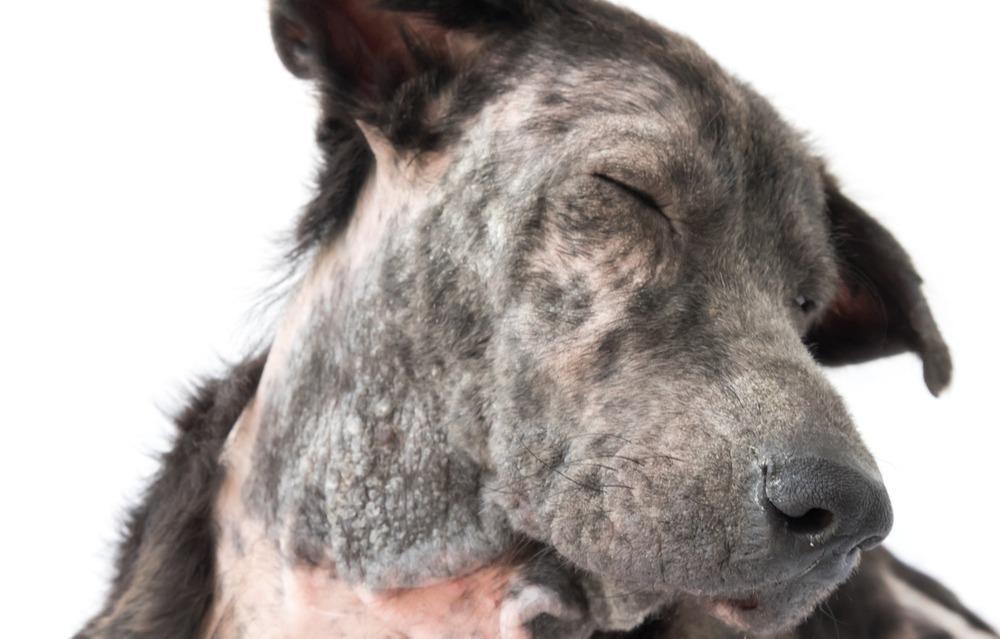
The fancy way of saying hair loss, alopecia affects more pets than we may think. It may be congenital or acquired and for it to be managed effectively, we really need to understand it. So, let’s take a look at 5 reasons for alopecia in pets. What is Alopecia? Alopecia is the partial or complete lack of hairs in areas where they are normally present. We can imagine our pet’s hair (and skin for that matter) as a report card for the body. If it’s looking a little worrisome, we need to investigate. As we mentioned, alopecia can be both congenital and acquired. Congenital means the animal is born with the condition. Congenital hair loss may or may not be hereditary. It’s caused by a lack of normal development of hair follicles. It may be apparent at, or shortly after birth. Your pet may be born with a normal coat, and patchy or widespread hair loss occurs when they become a young adult. In acquired hair loss, your pet is born with a normal hair coat. It has or had normal hair follicles at one time and is or could produce structurally normal hairs. Subsequently, any disease that can affect hair follicles can cause hair loss. Certain diseases may destroy the hair follicle or shaft or interfere with the growth of hair. Some diseases can cause discomfort, leading to self-trauma (scratching and biting) and loss of hair. It’s important to remember that acquired hair loss can be inflammatory or non-inflammatory. What diseases can Interfere with the growth of hair? Diseases that can directly cause destruction or damage to the hair shaft or follicle include bacterial, fungal, or parasitic infections. It can also include inflammatory diseases of the skin along with skin trauma. These diseases tend to be inflammatory. Parasites and What You Really Need to Know But there can also be factors that inhibit or slow down follicle growth resulting in alopecia. Let’s take a look. Nutritional Deficiencies We are seeing more and more data around specific nutrients in hair growth and health. For example: – Low vitamin D status has been implicated in cases of alopecia, – Over-supplementation of Vitamin A is associated with alopecia – In a Biotin deficiency, signs include hair loss – Folate deficiency can result in hair, skin and nail changes – Vitamin C is known to aid iron absorption, the latter being implicated in hair loss – Hair loss is a common sign of zinc deficiency – Hair loss can be seen in Iodine deficiency as it’s a mineral that aids thyroid function (we’ll share why this is relevant next) We advocate a fresh food diet, rich in nutrients to support overall health. Check out our range of blogs on different nutrients if you would like to learn more. Hormonal imbalances So much of a factor, there is a condition deemed hormonal alopecia in dogs. This can be linked to neutering with many owners reporting hair loss or thinning post neutering. But when we say hormones, we are also considering thyroid hormones. The thyroid gland is active in the initiation of hair growth and replacement. Located in the neck near the trachea or windpipe, this gland produces hormones which regulate metabolism. Both hyperthyroidism and hypothyroidism can result in hair loss in the dog although hypothyroidism is likely the more commonly occurring form of hormonal alopecia in dogs. Initially hair loss is patchy, the coat is dry, the hair is brittle and easily pulled out. Quite often hyper pigmentation occurs. In some cases, secondary pyoderma and seborrheic dermatitis may follow. Ultimate Guide: Hypothyroidism Stress Hair loss can follow months after a traumatic event often making it difficult to connect the dots. Hair cycles through different phases and all follicles can be at different stages at any one time. What we now know is that high levels of stress can cause shifts in those cycles. This results in balding or thinning of hair. Stress also depletes nutritional resources along with impeding the digestion and absorption of them and as we’ve already mentioned, sufficient growth relies on a great supply of nutrients. Can Stress Affect My Dog’s Digestive System? Irritation When your dog scratches or bites because they are irritated, it can result in hair loss. Causes of irritation include: – Infection – Pain – Parasites – Sensitivities/allergies Itchy Dogs and Cats Naturally Things to Think About: Skin Health in Dogs Overgrooming Overgrooming can be a calming behaviour employed by your pet. This may be in response to stress or being overwhelmed. Its important to notice any change in grooming behaviour and establish the potential trigger. Stressors may include: – Change in routine – Addition of a new pet – Our own stress – Change in health – Time of year – holidays/fireworks/weather change If you think hair loss may be associated with stress, check out the following blogs for more information: The Pet Owner’s Stress Load Using Nutrition To Support The Stressed Dog Why Dogs Need To Chew 5 Nutrients to Support Your Anxious Dog Overgrooming can also be linked to pain and digestive issues, so check out our blog on licking behaviour for more information. Why Does My Dog Keep Licking Signs of Hair Loss Signs of hair loss may be obvious or subtle, depending on what’s causing it. Congenital or hereditary hair loss can be symmetric (appearing similar on both sides of the body) or located in one area only. It is not usually accompanied by inflammation. Signs of acquired hair loss are influenced by the underlying causes. Hair loss may affect an isolated spot or multiple areas; it may be symmetric or widespread. You may also notice inflammation, thickened skin, colour change, scaling, excessive shedding and/or itching. In addition, some causes may lead to the development of secondary skin diseases like infection or fluid discharge. Some questions to ask when establishing the cause of your pet’s alopecia? Are they getting the nutrients they need from the diet they are offered? Could stress