
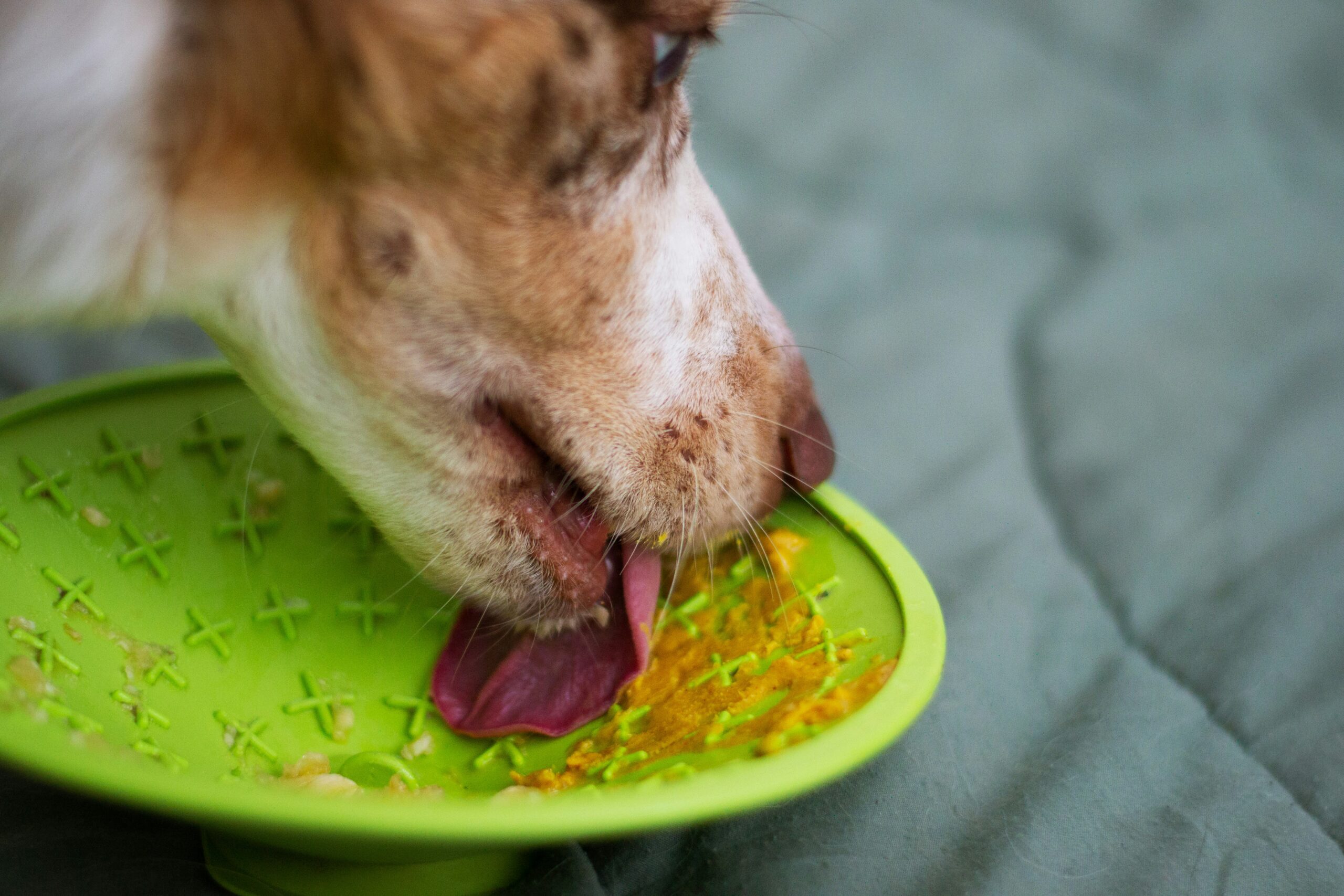
At My Pet Nutritionist, we advocate for a fresh diet for your pet; whether that’s raw or lightly cooked. Many of our customers feed a cooked diet, which they prepare at home. We recommend using our balanced recipes; though we know there are many recipes on the market claiming to be ‘complete diets’ which are often used. We aim to educate and inspire pet owners to feed a better diet. In this blog you can learn more about cooked diets, and what is commonly lacking in many recipes on the market.
Those against raw diets will often be afraid of bacteria or bone, which we know aren’t an issue for the majority of dogs, and those against cooked food will often believe it to be deficient of nutrients. Our job is to put everyone’s mind at ease; not every dog will suit every diet, so it’s important to be open minded, and consider whichever one may be best for your individual pet. Cooked diets may lack some nutrients vs their raw equivalents, however this is why using a properly formulated recipe is important. Cooked diets are often the better option for elderly pets, and pets with certain health conditions like kidney disease, or liver disease. Raw diets tend to be the most unadulterated choice, however some individuals with poor gut health, or digestive problems may struggle to digest bone efficiently, and those with heightened sensitivity to bacteria may cope best on a cooked diet. There really are pros and cons to both options, so keeping your mind open and accepting whichever is best for your pet is key to stress-less pet ownership! That’s where we come in!

Different proteins offer different nutrient profiles, which means feeding a variety gives a broader intake of micronutrients, including vitamins and minerals. Let’s take a look at what some of the popular options provide – it’s important to remember that a cooked diet may reduce the content of some of these nutrients found in the raw ingredients, but keep reading to find out what to add in to increase these levels!
There are other options also available, including a variety of other fish products. We will touch on some fish products in the next section!
Cell membranes are partly formed by omegas, and heart and brain health are largely down to omega content in the diet, as well as puppy development, joint and skin health, and weight management. Let’s discuss the different types of omega!
Here’s where the words get long… thankfully we abbreviate them!
Omega-3 Fatty Acids CANNOT be produced by the body as they are polyunsaturated. There are three Omega-3 fats:
Omega-3 is ANTI-INFLAMMATORY.
Omega-6 Fatty Acids are polyunsaturated and also include three different acids – the body can only produce 2 of these.
Omega-6 is INFLAMMATORY (apart from GLA).
Sources of omega 3 include:
It’s very important to ensure there’s plenty of omega in the diet!
Findings Here
Findings Here
Polyphenols help regulate metabolism, help maintain a healthy weight, help regulate and reduce the risk of chronic disease, and also aids the replication of cells within the body. Keeping the body free from chronic disease, at a healthy weight, and with a good metabolic rate may aid longevity!
Findings Here
Phytonutrients are essential for immune system modulation which helps keep various diseases at bay. Phytonutrients are thought to help prevent chronic disease such as cancer and diabetes, as well as supporting joints, digestive health, circadian rhythms (sleep patterns), and brain development.
Findings Here
Findings Here
Findings Here
Antioxidants also aid longevity by destroying free radicals in the body. Free radicals form during oxidisation, and are unstable atoms which damage cells in the body and lead to ageing. Destroying the free radicals slows the process of ageing due to lack of damage to the cells in the body.
Findings Here
Fruits and Vegetables are also full of vitamins and minerals so can really boost a cooked meal, but when looking at the nutrient profile of other ingredients in your pet’s food, it may be beneficial to feed fruits and vegetables with dissimilar nutrient profiles when cooked, to get a broader spectrum of nutrients into the diet.
Some examples of suitable plant matter include:
Calcium (essential for strong bones and teeth, muscle contraction (including the heart!), blood clotting, hormone release and nerve signalling. Vitamin D is essential to aid the absorption of calcium too) is the most commonly overlooked nutrient in home cooked diets. As cooked bones are dangerous for dogs, we need to use an alternative to bone; typically we suggest the following options, and average quantities per day:
Magnesium (essential for nervous system health, protein synthesis, regulation of blood pressure, and control of blood glucose levels) is found in leafy green vegetables, pumpkin seeds, almonds, banana, avocado flesh, and fish.
Copper (essential for immune support, nervous system health, red blood cell production, and formation of collagen for health skin and joints) can be found in offal, prawns (cooked), mussels (cooked), wheatgrass, seeds and nuts (avoiding peanuts and macadamia nuts) and mushrooms.
Zinc (essential for cell growth, DNA replication, tissue healing, and immune support) can be found most plentifully in pumpkin seeds, eggs, prawns (cooked), spinach, red meats, and hemp hearts and wheatgrass.
Manganese (essential as part of the enzyme system which breaks down cholesterol, protein and carbohydrates. It also plays a huge role in immune and skeletal health, as well as blood clotting after trauma) can be sought in shellfish, wheatgrass, nuts (hazelnuts and pecans are great sources), and leafy green vegetables.
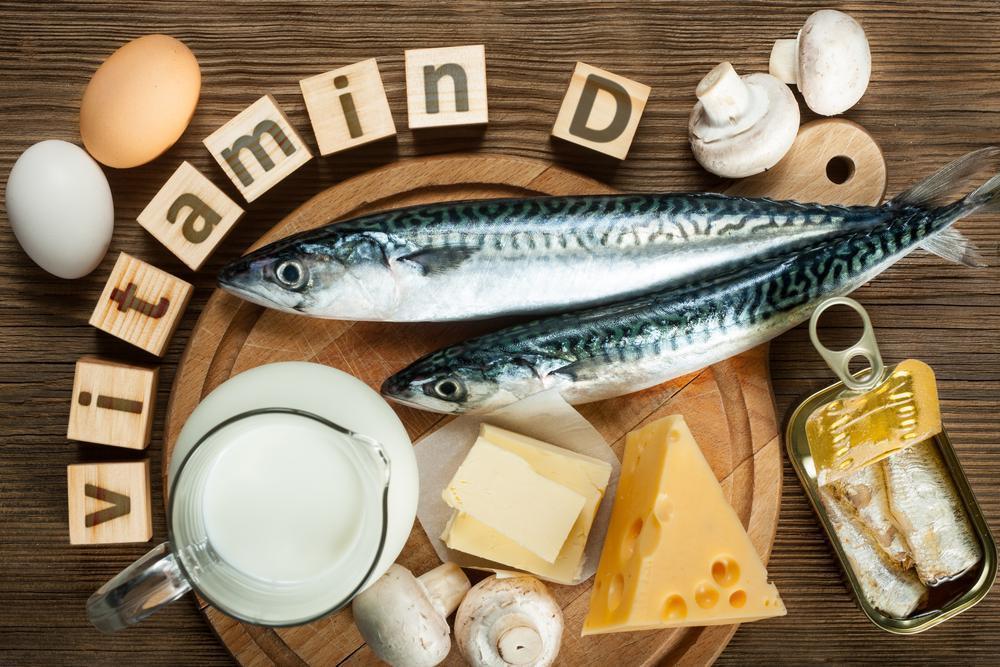
Vitamin D (helps regulate the amount of phosphorus and calcium in the body, keeping bones and muscles healthy) can be found in egg yolk, oily fish, and liver.
Vitamin E (essential for immune support, as well as eye and skin health) is found in wheatgerm, wheatgrass, sunflower seeds, almonds, leafy green vegetables, pumpkin, red bell peppers, and avocado flesh.
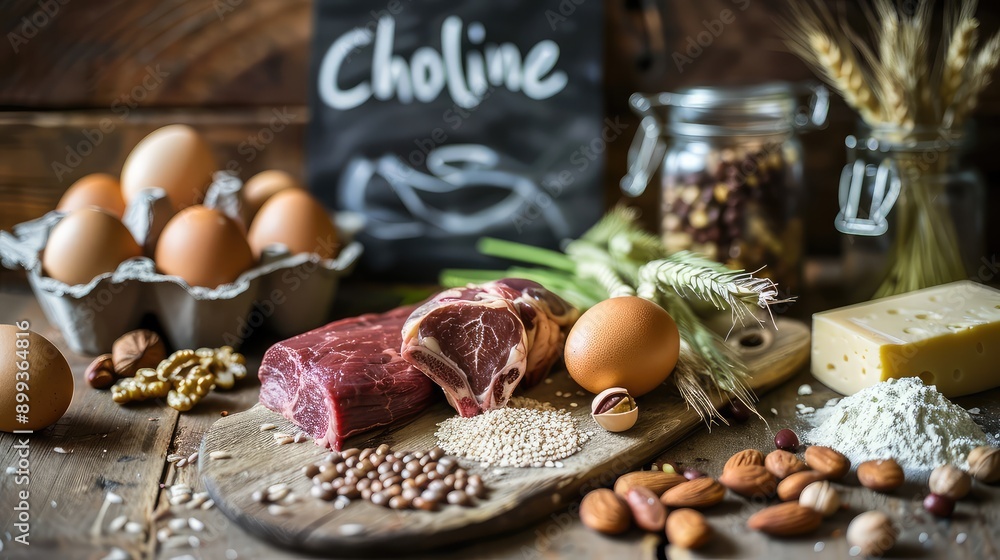
Choline (essential for brain health including memory and mood regulation, muscle control, and cell health as it forms the membranes surrounding the cells in the body) is produced in extremely small amounts by the liver, but the majority of the body’s needs has to be consumed in the diet. It can be found in egg yolk, cruciferous vegetables like cabbage, Brussels sprouts, broccoli and kale, as well as in salmon. At least 474mg of Choline per 1kg of fresh food is required, however our team recommends 800mg per 1kg of fresh food.


If you are feeding a cooked diet, or are considering it, you can check out our recipes by following the link earlier in this blog, or if you feel you require tailored support for your pooch, pleas don’t hesitate to contact us! Our consultations are designed to work with you and your individual pet to meet their exact needs, and each consultation includes one specially formulated recipe for your pet!
Consultation
Team MPN x
Cooked vs Raw
This is always such a huge debate among pet owners. This controversial topic often has two defined ‘sides’ – those who raw feed and actively discourage people from feeding a cooked diet, and those who feed a cooked diet and actively discourage people from feeding raw food.Those against raw diets will often be afraid of bacteria or bone, which we know aren’t an issue for the majority of dogs, and those against cooked food will often believe it to be deficient of nutrients. Our job is to put everyone’s mind at ease; not every dog will suit every diet, so it’s important to be open minded, and consider whichever one may be best for your individual pet. Cooked diets may lack some nutrients vs their raw equivalents, however this is why using a properly formulated recipe is important. Cooked diets are often the better option for elderly pets, and pets with certain health conditions like kidney disease, or liver disease. Raw diets tend to be the most unadulterated choice, however some individuals with poor gut health, or digestive problems may struggle to digest bone efficiently, and those with heightened sensitivity to bacteria may cope best on a cooked diet. There really are pros and cons to both options, so keeping your mind open and accepting whichever is best for your pet is key to stress-less pet ownership! That’s where we come in!
Explore Related Products







How to Get the Most From A Cooked Diet
Feed A Variety of Proteins
Feeding a variety of proteins (meats) is a huge part of balancing a cooked diet. Of course, if your dog is suffering with allergies, and is either on an elimination diet, or limited to a few proteins, this is fine as it’s the best you can do! If your dog is not known to suffer with itchiness or allergies, then feeding as many proteins as possible in your dog’s rotation, is very beneficial. This can be over the course of a week to a month.Different proteins offer different nutrient profiles, which means feeding a variety gives a broader intake of micronutrients, including vitamins and minerals. Let’s take a look at what some of the popular options provide – it’s important to remember that a cooked diet may reduce the content of some of these nutrients found in the raw ingredients, but keep reading to find out what to add in to increase these levels!
- Chicken: provides high amounts of Vitamin B3 and B12, Selenium, Zinc, Magnesium, Phosphorus, and Biotin.
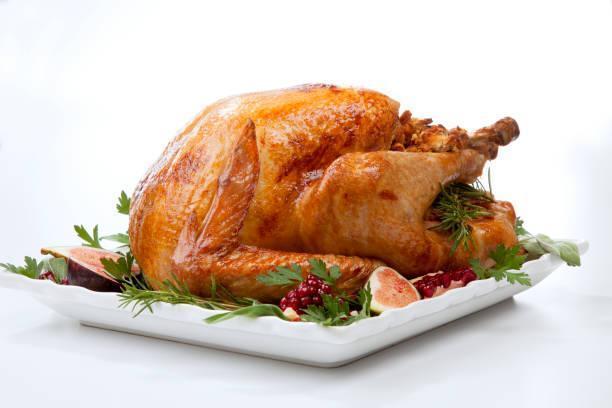
- Turkey: rich in Vitamin B6 and B12, Choline, Selenium, Magnesium, and Phosphorus.
- Beef: great source of Iron, Vitamins B2, B3,B6 and B12, Magnesium, Calcium, Copper, and Zinc.
- Lamb: Source of Iron, Vitamins B3 and B12, Selenium, and Phosphorus.
- Duck: Great source of Iron, Selenium and Vitamins B3, B12 and C.
- Pork: High in various B Vitamins, Zinc, Iron and Phosphorus.
- Venison: provides Zinc, Phosphorus, Iron, Selenium, a variety of B Vitamins, as well as a small amount of Vitamin E.
- Rabbit: high in Sodium, Calcium, Phosphorus, and Magnesium.
- Goat: source of Calcium, Sodium, Phosphorus, Potassium and Magnesium.
- Salmon: high in Vitamins A, B6, B12 and D, Iodine, Copper, Calcium, Magnesium, and Sodium.
There are other options also available, including a variety of other fish products. We will touch on some fish products in the next section!
Add in Some Omegas
Omegas are essential fatty acids – omega 3 and 6 are the important ones! Omega 3 is anti-inflammatory, whereas omega 6 is inflammatory. Our pets’ meat based diets are naturally high in omega 6, so it’s important to get plenty of omega 3 into the diet!Cell membranes are partly formed by omegas, and heart and brain health are largely down to omega content in the diet, as well as puppy development, joint and skin health, and weight management. Let’s discuss the different types of omega!
Here’s where the words get long… thankfully we abbreviate them!
Omega-3 Fatty Acids CANNOT be produced by the body as they are polyunsaturated. There are three Omega-3 fats:
- Eicosapentaenoic Acid (EPA): found in fatty fish and fish oils, as well as many algal oils. Helps reduce inflammation.
- Alpha-linolenic Acid (ALA): found in flaxseed oil and chia seeds. For a non-plant based form, oysters can be added in. Aids heart and immune health.
- Docosahexaenoic Acid (DHA): found in fatty fish , fish oils and algae oils, and eggs. Aids brain health and development.
Omega-3 is ANTI-INFLAMMATORY.
Omega-6 Fatty Acids are polyunsaturated and also include three different acids – the body can only produce 2 of these.
- Linolenic Acid (LA): found in sunflower oil and corn. Cannot be produced by the body.
- Gamma-linolenic Acid (GLA): found in Hempseed oil, borage oil, and Evening Primrose oil. This is the only Omega-6 which is not inflammatory – its great for control of hormones.
- Arachidonic Acid (ARA): found in meat and poultry, particularly farmed.
Omega-6 is INFLAMMATORY (apart from GLA).
Sources of omega 3 include:
- Fatty fish: sardines, salmon, mackerel, herring and trout
- Fish oils: Krill Oil, sardine oil, mackerel oil, herring oil.
- Raw eggs: (EPA and DHA)
- Green Lipped Mussels and Oil (EPA and DHA)
- Phytoplankton (EPA and DHA)
- Algae Oil (DHA HEAVY with a little EPA)
- Flaxseed Oil (ALA – also contains LA, and conversion to EPA is poor, so perhaps not the best choice)
It’s very important to ensure there’s plenty of omega in the diet!
Findings Here
Findings Here
Add in Some Plant Matter
Adding some plant matter to your dog’s diet brings great benefits! Not only does plant matter provide fibre (which helps gut motility), polyphenols, phytonutrients and antioxidants are also introduced into the diet.Polyphenols help regulate metabolism, help maintain a healthy weight, help regulate and reduce the risk of chronic disease, and also aids the replication of cells within the body. Keeping the body free from chronic disease, at a healthy weight, and with a good metabolic rate may aid longevity!
Findings Here
Phytonutrients are essential for immune system modulation which helps keep various diseases at bay. Phytonutrients are thought to help prevent chronic disease such as cancer and diabetes, as well as supporting joints, digestive health, circadian rhythms (sleep patterns), and brain development.
Findings Here
Findings Here
Findings Here
Antioxidants also aid longevity by destroying free radicals in the body. Free radicals form during oxidisation, and are unstable atoms which damage cells in the body and lead to ageing. Destroying the free radicals slows the process of ageing due to lack of damage to the cells in the body.
Findings Here
Fruits and Vegetables are also full of vitamins and minerals so can really boost a cooked meal, but when looking at the nutrient profile of other ingredients in your pet’s food, it may be beneficial to feed fruits and vegetables with dissimilar nutrient profiles when cooked, to get a broader spectrum of nutrients into the diet.
Some examples of suitable plant matter include:
- Kale
- Spring greens
- Asparagus
- Broccoli
- Brussels Sprouts
- Cabbage
- Cauliflower
- Courgette
- Green beans
- Strawberries
- Mango
- Pear
- Apple
What is Often Lacking From A Cooked Diet?
There are a handful of elements commonly lacking from a cooked diet. While our cooked food recipes are balanced to FEDIAF standards, many other recipes are lacking in the following vitamins and minerals, so it’s important to add in either supplements or ingredients high in each micronutrient listed below!Calcium (essential for strong bones and teeth, muscle contraction (including the heart!), blood clotting, hormone release and nerve signalling. Vitamin D is essential to aid the absorption of calcium too) is the most commonly overlooked nutrient in home cooked diets. As cooked bones are dangerous for dogs, we need to use an alternative to bone; typically we suggest the following options, and average quantities per day:
- Powdered Egg Shell: 5-8g per kg bodyweight
- Bone Meal: 10-12g per kg bodyweight
- Calcium Citrate: 6-10g per kg bodyweight
Magnesium (essential for nervous system health, protein synthesis, regulation of blood pressure, and control of blood glucose levels) is found in leafy green vegetables, pumpkin seeds, almonds, banana, avocado flesh, and fish.
Copper (essential for immune support, nervous system health, red blood cell production, and formation of collagen for health skin and joints) can be found in offal, prawns (cooked), mussels (cooked), wheatgrass, seeds and nuts (avoiding peanuts and macadamia nuts) and mushrooms.
Zinc (essential for cell growth, DNA replication, tissue healing, and immune support) can be found most plentifully in pumpkin seeds, eggs, prawns (cooked), spinach, red meats, and hemp hearts and wheatgrass.
Manganese (essential as part of the enzyme system which breaks down cholesterol, protein and carbohydrates. It also plays a huge role in immune and skeletal health, as well as blood clotting after trauma) can be sought in shellfish, wheatgrass, nuts (hazelnuts and pecans are great sources), and leafy green vegetables.
Vitamin D (helps regulate the amount of phosphorus and calcium in the body, keeping bones and muscles healthy) can be found in egg yolk, oily fish, and liver.
Vitamin E (essential for immune support, as well as eye and skin health) is found in wheatgerm, wheatgrass, sunflower seeds, almonds, leafy green vegetables, pumpkin, red bell peppers, and avocado flesh.
Choline (essential for brain health including memory and mood regulation, muscle control, and cell health as it forms the membranes surrounding the cells in the body) is produced in extremely small amounts by the liver, but the majority of the body’s needs has to be consumed in the diet. It can be found in egg yolk, cruciferous vegetables like cabbage, Brussels sprouts, broccoli and kale, as well as in salmon. At least 474mg of Choline per 1kg of fresh food is required, however our team recommends 800mg per 1kg of fresh food.
Explore Related Blog Posts

If you are feeding a cooked diet, or are considering it, you can check out our recipes by following the link earlier in this blog, or if you feel you require tailored support for your pooch, pleas don’t hesitate to contact us! Our consultations are designed to work with you and your individual pet to meet their exact needs, and each consultation includes one specially formulated recipe for your pet!
Book a Consultation
We offer a wide variety of one-to-one consultation packages designed to support your pet’s health and identify any causes for concern.
Team MPN x