
Here at My Pet Nutritionist, one of our most common consultation topics is itching and allergies. Many of our customers often come to us in need to help with their pet’s itching, and many ask us if they should try the hydrolysed food that has been recommended by their veterinarian; but what really is hydrolysed food? Is it something we would recommend?
Read on to find out!
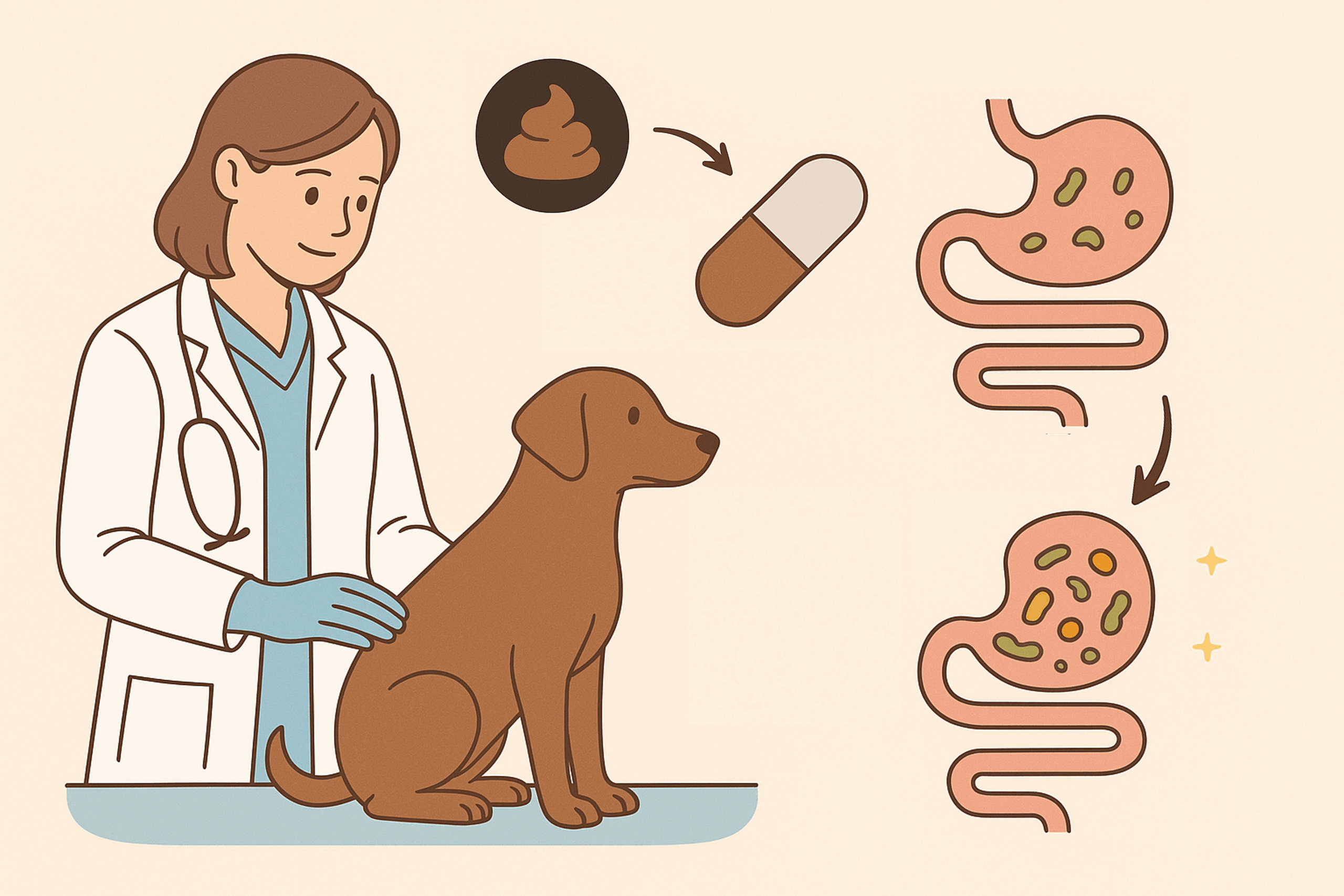
Commercial processed pet food, such as kibble or low quality wet food is something we would describe as being ‘ultra-processed’. Hydrolysed food is processed even further. In order to reduce the risk of triggering an allergy, the long chains of proteins in the food have been broken down into either individual amino acids, or very short chains of amino acids, called ‘peptides’. Breaking the long chain proteins down into these tiny fragments means the immune system is unlikely to recognise them as allergens. If the immune system doesn’t recognise them as allergens, an allergic reaction will not occur.
Hydrolysed food is made using a process called Protein Hydrolysis. The original ingredients, including the protein and carbohydrate sources are subject to various enzymes specific to the ingredient, as well as water and heat to break the chains of proteins down. If the protein is a long strip of paper, the enzymes are the scissors cutting it into smaller pieces!
The ingredients usually include a single hydrolysed protein source such as chicken, fish, soy or feather, as well as a carbohydrate source such as rice, maize, potato or tapioca (none of which we would recommend in the majority of cases), animal or plant based fats such as sunflower oil or fish oil to add omegas into the food (though sunflower oil is high in omega 6; making fish oil the better option), a synthetic vitamin and mineral mixture to ensure the diet can be classed as ‘complete’, a fibre source like beet pulp or cellulose to aid stool quality, as well as palatability enhancers to encourage the pet to eat it; the aforementioned ingredients aren’t particularly tasty without these additives, and broken down proteins can taste bitter too!
These diets are not always dry food; many brands have a wet food offering which resembles a thick paste in a tin, and will be the same formulation as the dry food, but without being extruded and baked into small brown shapes.
Findings Here
Findings Here
The only time we may suggest using one of these foods is in those with the most severe skin conditions caused by allergies or intolerances where the pet requires a break from symptoms. In the majority of cases, we would recommend an elimination diet on fresh foods, working on gut health, and possible remodulation of the immune system. We advise on a case-by-case basis, so it’s important to book a consultation with us if your pet is struggling with allergies.
In the rare case that we do suggest using a hydrolysed food for your pet, it would only be used short term to allow a break from or reduction in symptoms so any open wounds on the body can heal.
We wouldn’t recommend long term use of these foods for any dog or cat due to the foods being ultra-processed, the ingredients being of low nutritional value and the subsequent use of synthetic ingredients to make the diet complete, and the fact that these foods are not helping to heal the root cause of the allergy or skin condition.
Probably the biggest reason we wouldn’t usually recommend these foods however, is that recent research shows pets can still react to these tiny broken down amino acids and peptides, and it is also suggested that these foods can actually stimulate allergic responses! In a systematic review of hydrolysed diet efficiency, clinical signs of allergies actually worsened in around 50% of allergy cases fed hydrolysed diets in various studies.
Findings Here
Findings Here
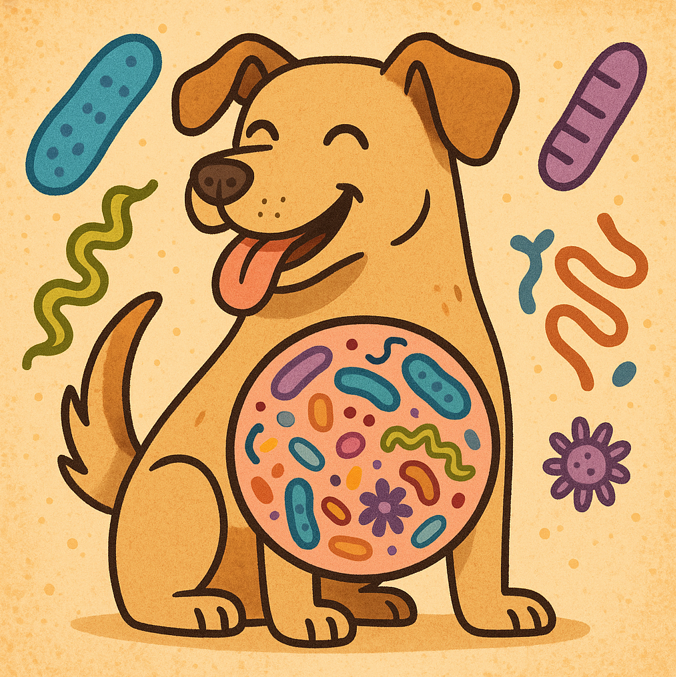
One of the first steps to aiding a dog or cat with allergies, is working on gut health. Feeding a fresh diet (preferably running an elimination with this fresh food) is one step but it is wise to supplement this with a mucilage herb to help heal the gut, and a high quality probiotic to help the gut microbiome flourish. Mucilage herbs you could consider are slippery elm, marshmallow root and deglycyrrhizinated liquorice (DGL), and soil based probiotics are often favoured when it comes to choosing an appropriate probiotic. Our fantastic supplement Gut Guardian contains a mixture of high quality probiotics, and all three of the aforementioned mucilage herbs, alongside calming chamomile!

If your pet has any form of skin condition or allergy, our team is on hand to help you! Please don’t hesitate to book a consultation to receive 1 to 1 advice, and get to the bottom of your pet’s itching using diet, lifestyle changes and functional medicine.
Consultation
Team MPN x
Read on to find out!
What Is Hydrolysed Food?
Hydrolysed food is typically recommended by veterinarians for individuals with food allergies, chronic skin conditions, and gastrointestinal sensitivity, however this may not be necessary.Commercial processed pet food, such as kibble or low quality wet food is something we would describe as being ‘ultra-processed’. Hydrolysed food is processed even further. In order to reduce the risk of triggering an allergy, the long chains of proteins in the food have been broken down into either individual amino acids, or very short chains of amino acids, called ‘peptides’. Breaking the long chain proteins down into these tiny fragments means the immune system is unlikely to recognise them as allergens. If the immune system doesn’t recognise them as allergens, an allergic reaction will not occur.
Hydrolysed food is made using a process called Protein Hydrolysis. The original ingredients, including the protein and carbohydrate sources are subject to various enzymes specific to the ingredient, as well as water and heat to break the chains of proteins down. If the protein is a long strip of paper, the enzymes are the scissors cutting it into smaller pieces!
The ingredients usually include a single hydrolysed protein source such as chicken, fish, soy or feather, as well as a carbohydrate source such as rice, maize, potato or tapioca (none of which we would recommend in the majority of cases), animal or plant based fats such as sunflower oil or fish oil to add omegas into the food (though sunflower oil is high in omega 6; making fish oil the better option), a synthetic vitamin and mineral mixture to ensure the diet can be classed as ‘complete’, a fibre source like beet pulp or cellulose to aid stool quality, as well as palatability enhancers to encourage the pet to eat it; the aforementioned ingredients aren’t particularly tasty without these additives, and broken down proteins can taste bitter too!
These diets are not always dry food; many brands have a wet food offering which resembles a thick paste in a tin, and will be the same formulation as the dry food, but without being extruded and baked into small brown shapes.
Findings Here
Findings Here
Do We Recommend Hydrolysed Food?
The answer to this question is a complicated one – yes, but no. we typically don’t recommend using hydrolysed food in the vast majority of cases, however there may be the occasional consultation we do recommend it’s use in.The only time we may suggest using one of these foods is in those with the most severe skin conditions caused by allergies or intolerances where the pet requires a break from symptoms. In the majority of cases, we would recommend an elimination diet on fresh foods, working on gut health, and possible remodulation of the immune system. We advise on a case-by-case basis, so it’s important to book a consultation with us if your pet is struggling with allergies.
In the rare case that we do suggest using a hydrolysed food for your pet, it would only be used short term to allow a break from or reduction in symptoms so any open wounds on the body can heal.
We wouldn’t recommend long term use of these foods for any dog or cat due to the foods being ultra-processed, the ingredients being of low nutritional value and the subsequent use of synthetic ingredients to make the diet complete, and the fact that these foods are not helping to heal the root cause of the allergy or skin condition.
Probably the biggest reason we wouldn’t usually recommend these foods however, is that recent research shows pets can still react to these tiny broken down amino acids and peptides, and it is also suggested that these foods can actually stimulate allergic responses! In a systematic review of hydrolysed diet efficiency, clinical signs of allergies actually worsened in around 50% of allergy cases fed hydrolysed diets in various studies.
Findings Here
Findings Here
A Bit About Gut Health!
When it come to managing allergies, gut health is hugely important! The gut-skin axis is largely at play, and gut health can also be linked to the endocrine system, which can wreak havoc with the skin if it is unhealthy.One of the first steps to aiding a dog or cat with allergies, is working on gut health. Feeding a fresh diet (preferably running an elimination with this fresh food) is one step but it is wise to supplement this with a mucilage herb to help heal the gut, and a high quality probiotic to help the gut microbiome flourish. Mucilage herbs you could consider are slippery elm, marshmallow root and deglycyrrhizinated liquorice (DGL), and soil based probiotics are often favoured when it comes to choosing an appropriate probiotic. Our fantastic supplement Gut Guardian contains a mixture of high quality probiotics, and all three of the aforementioned mucilage herbs, alongside calming chamomile!
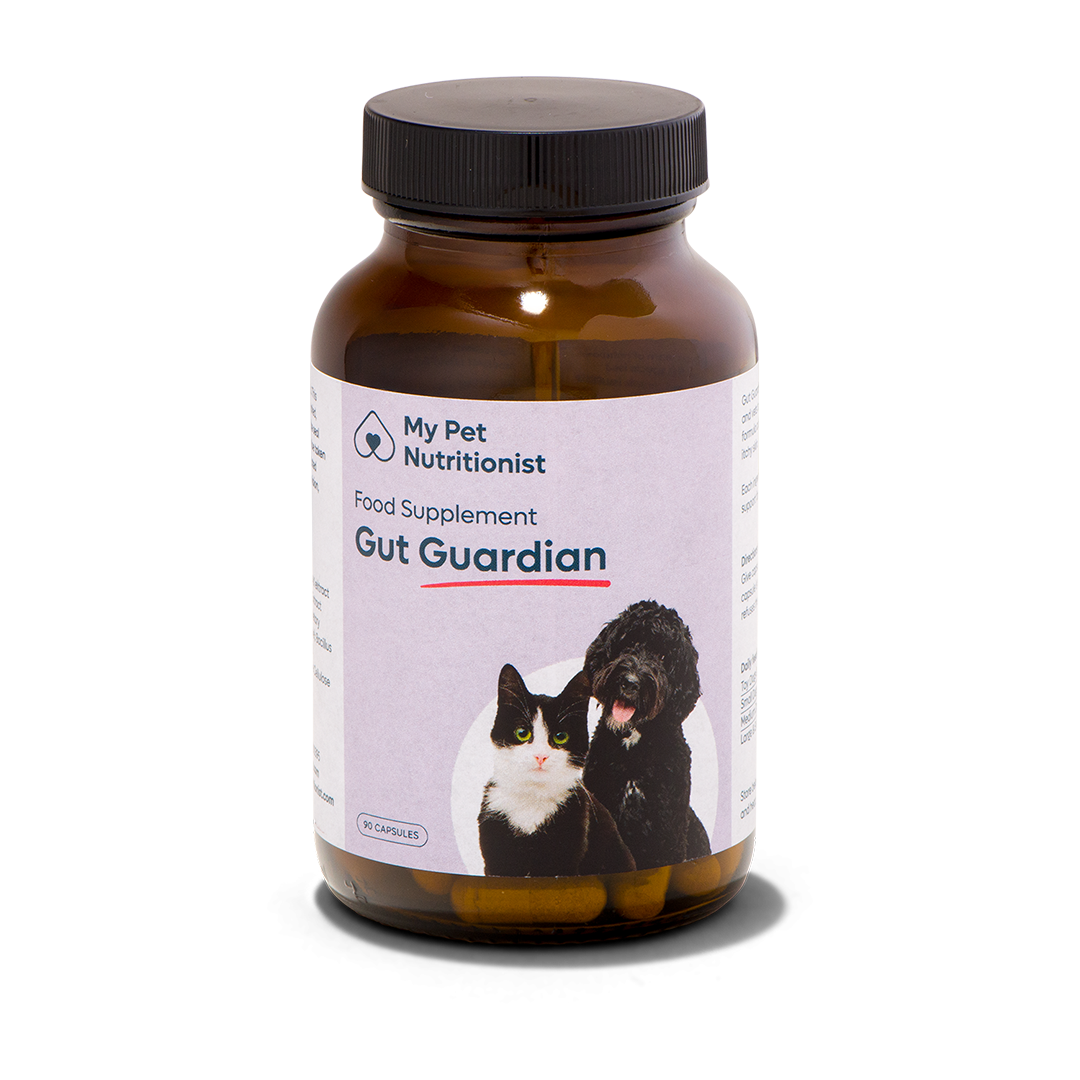
My Pet Nutritionist has a supplement that may help with this, check out the following:
Gut Guardian
Gut Guardian is expertly crafted by our team of nutritionists and vets to support digestive health. This specialised formula addresses food intolerances and chronic issues like itchy skin. Each ingredient is carefully selected, offering reliable support for a healthier, happier gut.
Buy Now From £37.00
If your pet has any form of skin condition or allergy, our team is on hand to help you! Please don’t hesitate to book a consultation to receive 1 to 1 advice, and get to the bottom of your pet’s itching using diet, lifestyle changes and functional medicine.
Book a Consultation
We offer a wide variety of one-to-one consultation packages designed to support your pet’s health and identify any causes for concern.
Team MPN x