
Here at My Pet Nutritionist, we love to educate dog and cat owners on diet choices. The commercial pet food market is extremely crowded, and can feel like a minefield when you’re choosing a food for your pet. In this billion-dollar industry, there are so many options, ranging from very poor quality to very high quality and everything in between. The food you feed your pet can have an enormous effect on so many aspect of their life, including behaviour, which is the focus of this blog post.
We will discuss the gut-brain axis, the different food options available, the affect food processing can have on behaviour, how high carbohydrate diets affect behaviour, the affect of preservatives and additives in pet foods, and more!
The axis at play when we link food with behaviour and mood, is the Gut-Brain Axis; linking the gut with the brain. When we feed a highly processed, high carb diet, we can expect diminished gut health, and when the gut health is compromised, brain health is also compromised, leading to behavioural challenges, or low mood. Things like chemical worm and flea products can also damage the gut via the Gut-Skin Axis, as well as the Gut-Brain Axis as they contain potent neurotoxins – so it’s worth cutting those out too!
Dry extruded: AKA kibble. This dry food is associated with poor gut health as it lacks moisture and is ultra-processed. It often contains low quality ingredients, including ingredients which are not gut friendly!
Cold Pressed: again, this food is very low in moisture, and contains low quality ingredients used to bind the dough together during processing before being pressed into pellets. This food, which a slight step up from standard kibble, is still highly processed.
Air Dried: these foods are quite a step up from the aforementioned dry textured foods, however they do still require filler ingredients to bind the dough. The ingredients used in these foods are typically of good quality, but it does undergo light processing, and lacks the all important moisture element.
Freeze Dried: this food is a variation of raw food; it has had the moisture removed under pressure at low temperatures. The lack of low quality filler ingredients makes it far more gut friendly than other dry textured foods, however it does lack moisture which is required for optimum gut health.
Wet Food: there are various wet food options on the market – some far exceeding others in terms of ingredients and quality. Lower quality options are full of sugar, salt and derivatives which can all contribute to poor gut health. Higher quality options tend to contain 85-95% quality meat cuts, vegetables, and broth as a stabiliser. These foods contain high moisture levels, but do go through some processing.
Cooked Food: whether buying it premade or cooking yourself using a balanced recipe, cooked food is considered a fresh food, and is one of the best options for all cats and dogs. Some individuals with certain health concerns including kidney disease or even old age may actually do best on a cooked diet.
Raw Food: the most unadulterated option, raw food is just that – raw meat, organ and bone. This diet is high in moisture, relatively low in protein, and contains no carbohydrates.
Findings Here
To look at carbs and their link with behaviour we need to know more about the Glycaemic Index (GI). Those higher up in the Glycaemic Index break down quickly which causes a spike in blood sugar levels, which then suddenly drop. This extreme shift in sugar levels causes behavioural shifts in the form of hyperactivity after feeding, leading to lethargy or irritable behaviour after some hours. If a pet consumes high GI items frequently, they are more likely to display signs of excess energy, sudden outbursts, extreme behavioural sensitivity, excitability, inability to settle, and nervousness. Low GI ingredients tend to break down slowly, and maintains a consistent blood sugar level.
High GI ingredients include grains (rice, wheat, corn etc), potato and other starchy veg. Lower GI options we want to include more of in dog diets include leafy greens and fruits.
Findings Here
Findings Here
Findings Here


A less direct way that preservatives affect behaviour and mood is that flavour enhancers make the pet want to eat more food than necessary, which can lead to obesity. Overweight pets often show changes in behaviour because they may have difficulty regulating their energy.
As we have the gut-brain axis, which requires the gut microbiome to be healthy in order to aid brain health, fresh feeding brings further benefits! Fresh food promotes microbiome diversity in the gut, which in turn aids not only brain health, but also endocrine health. In the endocrine system, serotonin is produced; aided by good gut health. Serotonin is often referred to as the ‘happy hormone’, so having a health production of serotonin leads to positive behavioural changes.
Keep reading to see some examples of nutrients to promote positive behavioural changes and improvements to mood.
Findings Here
Findings Here
Findings Here
Findings Here
Findings Here

If your pet has behaviour concerns, understanding the link between diet and behaviour is very important. Some behaviour professionals will advise you to seek advice regarding diet, however many overlook this important part of the full behaviour picture! We have a range of consultation options which may be suitable for your pet depending on the severity of their behaviour problem. Our Optimise Consultation helps you as the owner of your pet to make better life choices for them, which in turn aids better behaviour. The Personalise Consultation is more in depth and offers a more comprehensive approach to various aspects of your dog or cat’s lifestyle with views to changing behaviour. You may wish to use our Veterinary Services too, if you feel a second opinion is necessary! Please don’t hesitate to book in with us.
Consultation
Team MPN x
We will discuss the gut-brain axis, the different food options available, the affect food processing can have on behaviour, how high carbohydrate diets affect behaviour, the affect of preservatives and additives in pet foods, and more!
The Gut-Brain Axis
Regular visitors to our blog will notice we write a lot about the different axes stemming from the gut. We can picture the gut like a roundabout with many exits linking it to other places, or in this case, other parts of the body. Not only does this roundabout link directly to these parts, but they all form a system, and when one is affected, the others are often compromised; using our roundabout analogy we know that if there’s a road closure on one exit, traffic builds up on the remaining exits, putting pressure on the roads, often leading to congestion or danger – if one of the gut axes is compromised by poor health, others are often affected too!The axis at play when we link food with behaviour and mood, is the Gut-Brain Axis; linking the gut with the brain. When we feed a highly processed, high carb diet, we can expect diminished gut health, and when the gut health is compromised, brain health is also compromised, leading to behavioural challenges, or low mood. Things like chemical worm and flea products can also damage the gut via the Gut-Skin Axis, as well as the Gut-Brain Axis as they contain potent neurotoxins – so it’s worth cutting those out too!
Types of Pet Food
With so many types of food on the market, we thought we would give you a short list of the types available; however you can learn more in depth about each type by reading our ‘What Should I Feed My Cat or Dog’ blog, which can be found later in this article.Dry extruded: AKA kibble. This dry food is associated with poor gut health as it lacks moisture and is ultra-processed. It often contains low quality ingredients, including ingredients which are not gut friendly!
Cold Pressed: again, this food is very low in moisture, and contains low quality ingredients used to bind the dough together during processing before being pressed into pellets. This food, which a slight step up from standard kibble, is still highly processed.
Air Dried: these foods are quite a step up from the aforementioned dry textured foods, however they do still require filler ingredients to bind the dough. The ingredients used in these foods are typically of good quality, but it does undergo light processing, and lacks the all important moisture element.
Freeze Dried: this food is a variation of raw food; it has had the moisture removed under pressure at low temperatures. The lack of low quality filler ingredients makes it far more gut friendly than other dry textured foods, however it does lack moisture which is required for optimum gut health.
Wet Food: there are various wet food options on the market – some far exceeding others in terms of ingredients and quality. Lower quality options are full of sugar, salt and derivatives which can all contribute to poor gut health. Higher quality options tend to contain 85-95% quality meat cuts, vegetables, and broth as a stabiliser. These foods contain high moisture levels, but do go through some processing.
Cooked Food: whether buying it premade or cooking yourself using a balanced recipe, cooked food is considered a fresh food, and is one of the best options for all cats and dogs. Some individuals with certain health concerns including kidney disease or even old age may actually do best on a cooked diet.
Raw Food: the most unadulterated option, raw food is just that – raw meat, organ and bone. This diet is high in moisture, relatively low in protein, and contains no carbohydrates.
The Link Between Processing and Behaviour
The level of processing a food undergoes can impact the consumer’s behaviour and mood. There are a few reasons this occurs; let’s take a look at them:- Due to high heat and extrusion, ultra processed foods become less bioavailable as nutrients are destroyed or altered. This makes the food less digestible, leading to digestive discomfort, which in turn can cause behavioural changes.
- One key element of foods which is disrupted by processing is omega 3 – this helps to reduce inflammation on the brain (an elsewhere in the body), so when a pet lacks omega 3, behavioural changes are common due to brain inflammation.
- Ultra processed foods contain Advanced Glycation End Products (AGEs) which form during the manufacturing process. AGEs are linked to oxidative stress and inflammation as well as premature ageing and cancer. Oxidative stress and inflammation in the brain causes behavioural changes, and premature ageing includes both body and mind.
- Another chemical compound produced during heavy processing of foods is Glyphosate; this is the active ingredient in weedkiller, and damages the gut microbiome. A damaged gut = reduced brain health due to the Gut-Brain Axis.
Findings Here
Do Carbohydrates Cause Hyperactivity?
This is one of those age old questions that many pet owners ask about – is there really a link between carbohydrates and hyperactivity? While not all carbs contribute to hyperactivity, the ones seen in many pet foods are often the ones we don’t want to feed!To look at carbs and their link with behaviour we need to know more about the Glycaemic Index (GI). Those higher up in the Glycaemic Index break down quickly which causes a spike in blood sugar levels, which then suddenly drop. This extreme shift in sugar levels causes behavioural shifts in the form of hyperactivity after feeding, leading to lethargy or irritable behaviour after some hours. If a pet consumes high GI items frequently, they are more likely to display signs of excess energy, sudden outbursts, extreme behavioural sensitivity, excitability, inability to settle, and nervousness. Low GI ingredients tend to break down slowly, and maintains a consistent blood sugar level.
High GI ingredients include grains (rice, wheat, corn etc), potato and other starchy veg. Lower GI options we want to include more of in dog diets include leafy greens and fruits.
Findings Here
Findings Here
Findings Here
Explore Related Blog Posts
Preservatives and Additives in Pet Foods
Preservatives and additives are commonly found in pet foods. Additives commonly used in pet foods include flavour enhancers, synthetic vitamins, flow agents (often seen in supplements), colourings, and shelf life extending preservatives. Certain preservatives and additives (think about E-numbers and their links to hyperactivity in human children; it’s much the same in dogs!) are known to be linked with agitation and other negative behavioural changes.A less direct way that preservatives affect behaviour and mood is that flavour enhancers make the pet want to eat more food than necessary, which can lead to obesity. Overweight pets often show changes in behaviour because they may have difficulty regulating their energy.
How Can Fresh Food Help Behaviour?
When it comes to feeding, we always recommend a fresh food diet, whether that’s raw or cooked. These diets are minimally processed; the least processed of all foods on the market, which enables us to keep all the nutrients in each component intact, and bringing benefit to the overall health and behaviour of the pet. Because the nutrients stay in their natural state, they are easier to digest, allowing for a more controlled energy release, and therefore more behaviourally stable pet.As we have the gut-brain axis, which requires the gut microbiome to be healthy in order to aid brain health, fresh feeding brings further benefits! Fresh food promotes microbiome diversity in the gut, which in turn aids not only brain health, but also endocrine health. In the endocrine system, serotonin is produced; aided by good gut health. Serotonin is often referred to as the ‘happy hormone’, so having a health production of serotonin leads to positive behavioural changes.
Keep reading to see some examples of nutrients to promote positive behavioural changes and improvements to mood.
Findings Here
Findings Here
Nutrients for a Good Mood
There are a handful of nutrients that can encourage a good mood and steady behaviour. We will discuss each useful nutrient, including where it can be found most plentifully:- Protein: feeding specifically high quality protein is important as it provides important amino acids called Tryptophan and Tyrosine; two compounds with a large role in serotonin and dopamine regulation and production. Feeding this protein in raw or lightly cooked form is important!
- Omega 3: having a diet rich in Omega 3 is important as it has potent anti-inflammatory properties, leading to a reduction in inflammation in the gut and brain. Our carnivorous pets’ meaty diets are naturally high in Omega 6 which is inflammatory, so balancing this out with Omega 3 is key. You can find out more about choosing the right omega 3 for your pet in the article linked in this blog post.
- Antioxidants: antioxidant rich ingredients are a great help to those struggling behaviourally, as they aim to reduce free radicals in the body which cause oxidative stress. Oxidative stress in the brain can lead to severe behavioural problems and poor cognitive ability, so eradicating these is important. Blueberries and turmeric are both great sources of antioxidants, but other fruits and vegetables (the more colourful options especially) and nuts are also great sources!
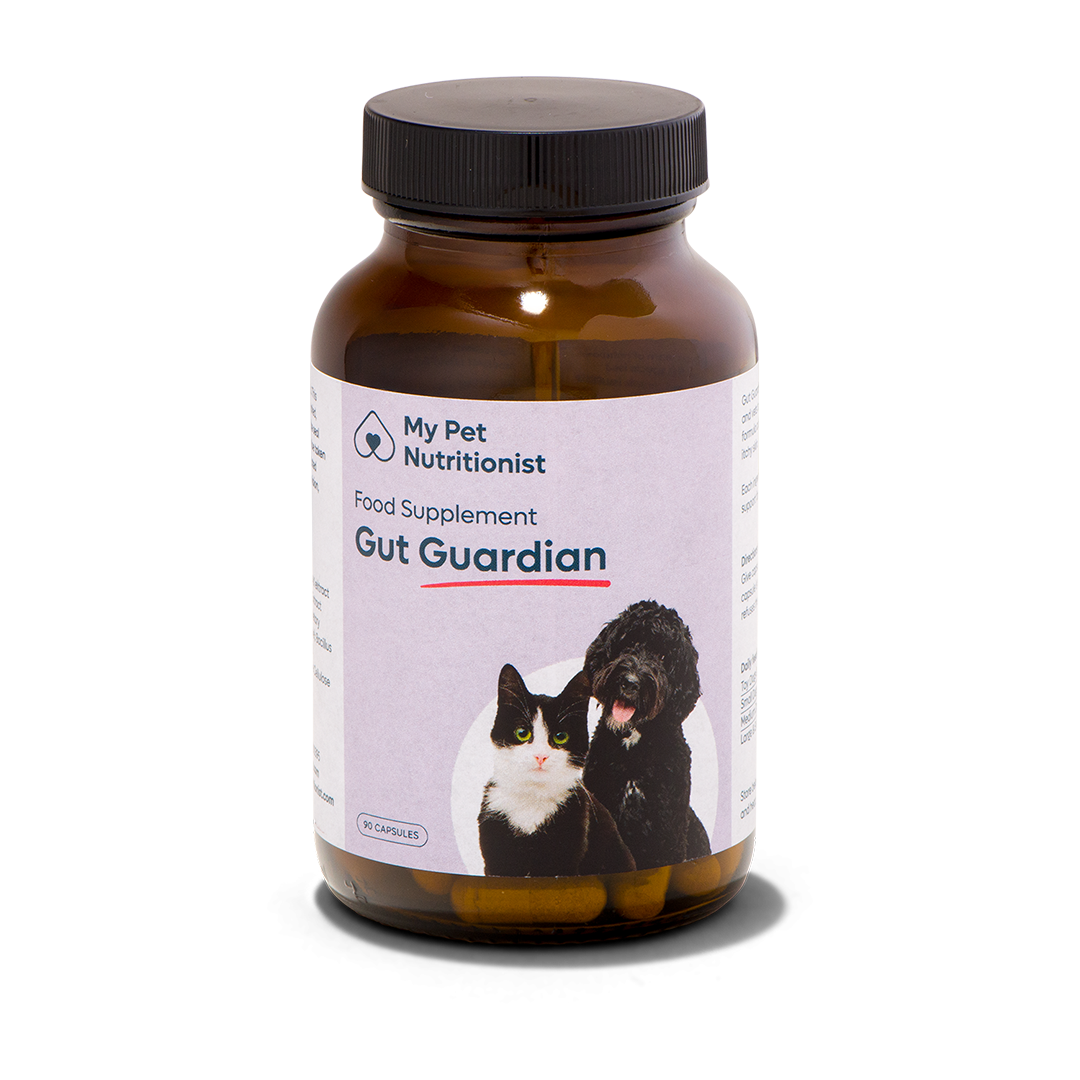
- Pre/Probiotics: probiotics help the gut microbiome to flourish, while prebiotics heal the gut and feed the probiotics. Our all-in-one gut health supplement ‘Git Guardian’ is perfect for this purpose!
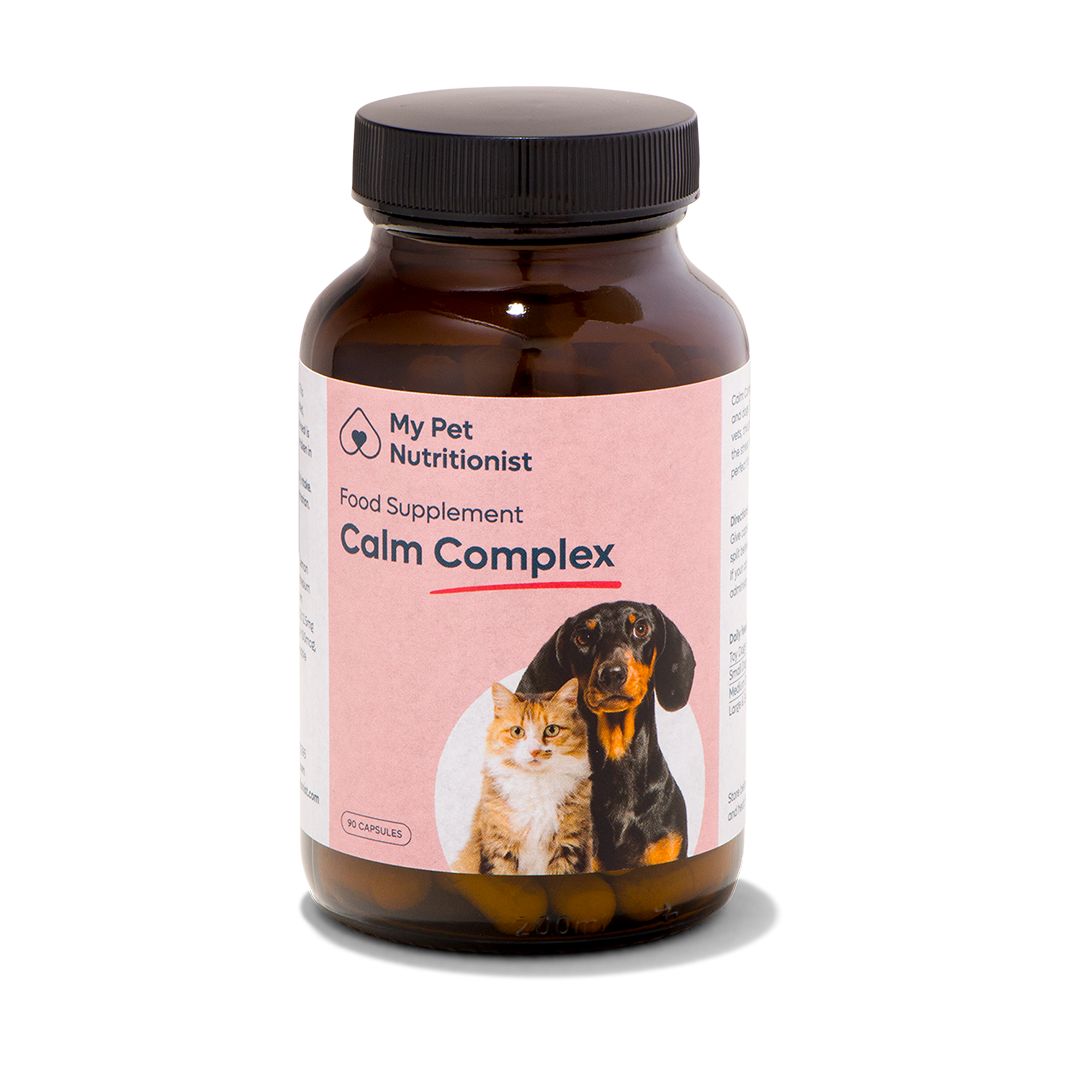
- Magnesium: this important nutrient supports nerve function and muscle relaxation which is important in those with undesired behavioural patterns. Magnesium is one of our key ingredients in our Calm Complex supplement!
- Methylated B Vitamins: this family of Vitamins offer support for energy metabolism as well as aiding resilience against stress; two important factors to be considered when helping to improve your pet’s mood! Being methylated makes them more bioavailable, particularly Vitamins B9 and B12. These can be found in abundance in our Calm Complex Supplement which can be given alongside Gut Guardian for all round mood lifting care.
Findings Here
Findings Here
Findings Here
Explore Related Products
If your pet has behaviour concerns, understanding the link between diet and behaviour is very important. Some behaviour professionals will advise you to seek advice regarding diet, however many overlook this important part of the full behaviour picture! We have a range of consultation options which may be suitable for your pet depending on the severity of their behaviour problem. Our Optimise Consultation helps you as the owner of your pet to make better life choices for them, which in turn aids better behaviour. The Personalise Consultation is more in depth and offers a more comprehensive approach to various aspects of your dog or cat’s lifestyle with views to changing behaviour. You may wish to use our Veterinary Services too, if you feel a second opinion is necessary! Please don’t hesitate to book in with us.
Book a Consultation
We offer a wide variety of one-to-one consultation packages designed to support your pet’s health and identify any causes for concern.
Team MPN x