In most cases, a liver shunt is caused by a birth defect. This is known as a congenital portosystemic shunt. But acquired shunts can also occur – this is usually linked to primary liver disease, or a disease involving the normal blood vessels into the liver. We describe the liver as the powerhouse of the body, quite simply because it carries out so many functions, so, is there anything we can do to support it when it’s function isn’t quite up to par? Let’s take a look at whether we can support a dog with a liver shunt. What Does The Liver Do? The liver processes blood and the substances found within it. In a healthy animal, blood draining from the intestines passes immediately through the liver for nutrients to be processed and for toxic compounds to be removed. The blood then re-enters main circulation. What is a Liver Shunt? In an animal with a portosystemic shunt (liver shunt), a significant volume of blood bypasses the liver, enters main circulation and heads to the heart where it can be pumped around the body. As the blood being pumped around the body is technically unfiltered, toxic compounds can build up. In addition, the liver is unable to break down nutrients or regulate the body’s energy balance. Signs and Symptoms of a Liver Shunt: Stunted growth Poor muscle development Abnormal neurological behaviour – disorientation, staring into space, circling or head pressing, seizures Drinking/urinating too much Vomiting Diarrhoea Lethargy In both cases of congenital and acquired, reduced blood flow to the liver also results in atrophy which subsequently affects function. But the liver is a rather unique organ, it is the only one that can regenerate, therefore appropriate intervention and management is essential. Liver Guard Considerations to make for the dog with a liver shunt: Diet The conventional concern with many liver issues is protein intake. When protein is broken down in the body, left behind is ammonia. The liver plays a key role in metabolising ammonia ready for it to be excreted by the kidneys into urine, but when blood flow bypasses the liver, ammonia builds up in the blood and enters systemic circulation – this is what leads to many neurological issues alongside poor liver function. Traditionally, dietary management has included protein restriction to reduce ammonia absorption from the colon, but more recently it is considered that colonic absorption is only significant in those fed poor-quality diets that contain poorly digestible protein. In addition, it has been established that those with chronic liver disease may develop muscle wasting from being in a long-term catabolic state – with low protein diets leading to increased muscle protein catabolism. Findings Here We would advocate a fresh-food diet, with highly digestible protein sources. The general school of thought is 2g of protein per kg of body weight. Beneficial proteins to feed in liver disease include eggs for the most bioavailable protein and choline content, poultry and a little fish such as sardines, salmon and cod. Fats such as omega-6 and omega-3 in 4:1 ratio are important in liver conditions. Moderate amounts of hemp oil, phytoplankton (offering DHA and EPA) and fish, both whole and in pure oil source may help to protect the liver and reduce systemic inflammation and inflammation in the liver. Detoxification The liver neutralises a range of toxic chemicals, both those produced internally (waste from used hormones or neurotransmitters for example) and those from the environment, like air pollution, pesticides and food additives. It does this by filtering the blood to remove large toxins, synthesising, and secreting bile and lastly enzymatically disassembling unwanted chemicals found in the body. If its function isn’t up to par, toxins can start to build up. Enzymatic Detoxification This enzymatical detoxification occurs in three phases. Phase I directly neutralises chemicals and changes them into new metabolites. These are then processed by phase II enzymes. This is known as the conjugation phase, which in short, liver enzymes attach small chemicals to the toxin. There are many ways in which this is done, it all depends on the type of chemical the liver is trying to manage. Phase I results in high levels of reactive oxygen species so antioxidant levels are key in modulating potential damage. Does My Dog Need Antioxidants? Liver Guard Beneficial Additions: Broccoli contains glucobrassicin, the glucosinolate precursor of indole-3-carbinol (I3C) and subsequently Diindolylmethane (DIM) which is attributed to supporting phase one of the liver detoxification. Berries and cranberries whole and in extract contain anthocyanins that demonstrate hepato-protective abilities. An experiment found that antioxidants commonly found in berries slowed the development of lesions and fibrosis, the development of scar tissue, in the livers of rats. Phase II is nutrient demanding and sufficient levels of key vitamins and minerals like vitamin A, C, E, B1, B2, B3 and iron are essential. There has also been data to suggest dandelion amongst others can support the enzymatic detoxification pathway too. Phase III is the elimination phase. For optimal excretion of toxins through the digestive system, gut health is vitally important. Maintaining the mucosal barrier is key for gut health along with supporting motility. It’s important to include a range of functional ingredients in your dog’s diet that can lubricate the digestive tract, promote regular motility, aid elimination and support the microbiome. Prevention of absorption through trapping of potential toxins is also an effective way of mitigating toxin exposure and this is a key feature of many clay products. 7 Reasons to Use Clay In addition, some fibre helps to speed up colonic transit and prevent constipation. This reduces the amount of toxins absorbed from the colon and circulated into the system for the liver to deal with. 7 Foods To Add Fibre To Your Dog’s Diet The most important thing to do to support detoxification is to avoid exposure in the first place, so consider how much you and your dog are exposed to: Pesticides Heavy smoke Phthalates Mould Medications like steroids, antibiotics, and painkillers Heavy metals Cleaning
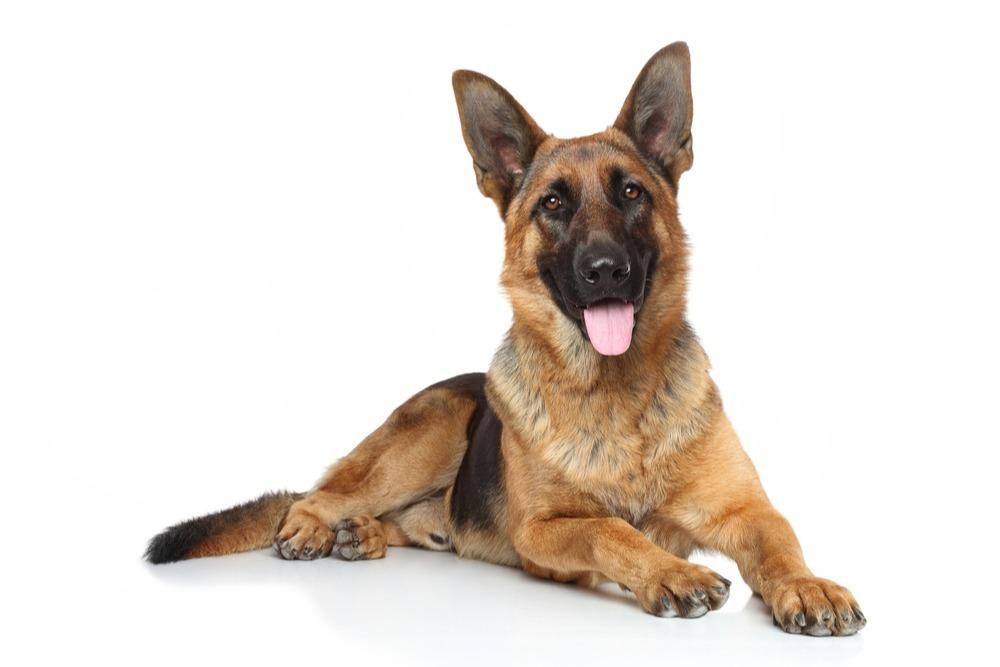
Whilst we get skin issues across the board in dogs; we can’t deny that certain breeds are more predisposed than others. But if we have a list in our mind of those dogs who we think are more likely to suffer, have we even considered that their coat type may play a role? We’re going to take a look at those double coated breeds specifically, and why they may suffer with skin challenges. The Canine Coat When we are discussing the canine coat, we include both the skin and hair/fur. Both have their own individual functions, and both are crucial to your dog’s ability to thrive. The skin is the largest organ of your dog’s body. It consists of three major layers: The Epidermis – (Epi – upon or above) this is the outer layer of skin, the protective layer. The Dermis – the dermis supports and nourishes the outer layer. It provides strength and elasticity. Here you will find collagen fibres, sweat glands, sebaceous glands, and hair follicles. You will also find cells that release histamine and other inflammatory mediators when faced with an allergy or injury. The Subcutis – (sub meaning under or below) this is the innermost layer of the skin, where you will find fat and muscles. Subcutaneous fat provides insulation, padding and storage for reserve energy. Not only does the structure of the skin prevent water and electrolyte loss to help maintain body homeostasis, but it forms a protective barrier which helps protect against infections, parasites, and the elements. The hair sprouting from the follicles in the skin, known as hair or fur, also protects against harsh weathers, temperatures, and ultraviolet light damage. Double coats are generally termed fur and single coats are generally termed hair. Although, most owners, and groomers for that matter, use the phrases interchangeably. Double Coats vs. Single Coats Dogs can have primary and secondary hairs. Primary hairs are single hairs that grow from a follicle. If present, secondary hairs exit from the same follicle and you can have anywhere from 3-15 of them exiting alongside a primary hair from the same follicle. Primary hairs are often referred to as guard hairs or the outer coat and secondary hairs are referred to as the undercoat. Double coated breeds have both primary and secondary hairs, like the German Shepherd, Alaskan Malamute, Husky and Akita whereas single coated breeds simply have primary hairs, which include breeds like the Poodle or Bichon Frise. In double coated breeds, hair growth and the thickness of the undercoat is largely responsive to the environment. Cold months call for a thick undercoat where air can be trapped right next to the outer layer of the skin. Think of it like a wetsuit. A wetsuit works by trapping a thin layer of water between your body and the suit. This layer of water is then warmed by your body and water is a great conductor of heat! On the other side of this scale, warm months call for a thinner undercoat that is well-brushed and not impacted. This allows air to circulate, drawing cool air over the skin. A regular issue in double-coated breeds is an impacted undercoat. This is where the secondary hairs become matted. Air is unable to circulate, meaning it gets trapped and warmed up from the heat of the body. The issue is further compounded if you have a damp coat from rainy walks, dips in the pond or after the regular hydrotherapy session and in this scenario, skin health can be compromised. The Canine Skin Not only does the skin provide a barrier to the elements, but its very composition also provides an immunological and microbial barrier because of its bacterial community. This is known as its microbiome. The skin microbiome is made up of a range of bacteria, fungi, and viruses. They usually function symbiotically; helpful microorganisms keep potentially harmful microorganisms in check. The issue is when there is an imbalance; we know this as dysbiosis. It has been established time and time again, when dogs and humans are suffering with red and itchy skin, there have been alterations in the skin microbiome. Generally, some bacteria have grown in numbers and others have reduced. A healthy skin microbiome is necessary for the correct function of mast cells founds in the dermis and mast cells mediate inflammatory responses like hypersensitivity and allergic reactions. Subsequently, those dogs suffering with atopic dermatitis are then more sensitive to environmental allergens. It is rather easy to see how skin issues can become so complex. Unfortunately, there are a range of things that can affect the composition of the skin microbiome: – Genes – Lifestyle, including nutrition – Environment – Family make up (other pets) – Personal and home hygiene In healthy dogs the most common bacteria are proteobacteria, closely followed by firmicutes, actinobacteria, Bacteroidetes and cyanobacteria. Interestingly, healthy dogs have a higher community of beta proteobacteria ralstonia spp. than those dogs suffering with allergies. The type of bacteria also varies depending on the site of the body, for example, there will be different bacteria found between toe digits to that found in the groin area. Findings Here This is because all bacteria have their own needs to survive. They need food, water and the correct environment which includes a specific temperature, to them. Some bacteria will thrive in cooler temperatures, some prefer warmer climates. This is why we need to pay attention to the coat condition of your double coated breed. Your dog will have their own community of bacteria on their skin. Some bacteria will outnumber others. Which bacteria thrive will largely depend on your dog’s lifestyle, including nutrition. If your double coated breed has gotten wet on a rainy walk or loves swimming, they will get a damp coat. You may towel them off and allow them to dry off in front of the fire or radiator. Star fishing in a centrally heated home is quite far removed from the
There can be a number of reasons why your dog may be suffering with their ears. We’ve compiled some of the more common ones. The Link Between Sensitivities and Itchy Ears Itchy ears often go hand in hand with sensitivities – so you may notice digestive issues alongside itchy ears, paws and more. In order to optimise gut health, check out our blog here: 7 Steps to Optimal Gut Health For Pets We can often look to bacterial overgrowth in fuelling those itchy ears, and yeast is often the culprit. Gut Guardian What is Yeast? Candida is an opportunistic fungal pathogen. It is a normal part of the gastrointestinal flora and genital tracts. Healthy systems are more than capable of keeping it in check with their beneficial bacteria, but issues arise when there aren’t enough good guys to keep the bad guys in check, this is what we know as dysbiosis and it can occur in the microbiome of the gut, but also the skin and more! Is Your Dog A Yeasty Beast? Factors that can contribute to dysbiosis: Chronic or excessive antibiotic use Stress Environmental toxins; bisphenol, phthalates, heavy metals, pesticides Poor gut integrity Nutrition Weakened immune function But there are a few other factors to consider when we are addressing our dog’s itchy ears… Why Is My Dog’s Ear Itchy? Anatomy or Breed Certain breeds with those long ears; the ones who end up dragging them in their food or water bowl can be more likely to suffer with bacterial overgrowth. We’re thinking spaniel or setters here. Those long ears provide a warm and moist environment for certain bacteria to thrive. It’s also a consideration for those breeds with greater amounts of hair inside their ear, those who your groomer recommends plucking out! We’re thinking poodles and alike. Whilst it may be a haven for certain bacteria having the hair there, if there is trauma through the act of plucking, we could inadvertently be opening the skin up to infection. In this scenario, it can often feel like you’re stuck between a rock and a hard place. Type of Food Fed Yeasts seem to like sugar as fuel, so diets high in grains, starches and other carbohydrates seem to contribute to an overgrowth. Generally, certain beneficial bacteria will metabolise these sugars, keeping candida in check by disrupting its food supply, but in the absence of good bacteria, candida is partying it down at the all-you-can-eat buffet! Whilst we advocate a fresh food diet, in cases of bacterial overgrowth it can be sensible to avoid certain fruits whilst getting a handle on the situation – fruit contains sugar too! Water Babies! Those dogs who love to swim or spend time at hydro can be more prone to ear issues. Again, it creates a perfect environment for certain bacteria to thrive when they are warm and damp. It’s always best to dry your dog’s ears after spending time in water. Especially with those warmer temperatures in hydro pools. Location of walks Where your dog walks or runs can mean exposure to certain grass seeds which can find their way into our dog’s ears. Not only are they initially painful and irritating, if not removed they can cause a whole host of further issues. Parasites Our dogs can be exposed to fleas, ticks or mites which can cause itching. If you would like to learn more about parasites and natural approaches to managing them, check out our blogs below: Parasites and What You Really Need To Know Natural Flea and Worming Treatments Ear Issues as a Report Card Ear issues, or rather itchy ears, can often seem like a never-ending battle, and this is largely because they’re seen as a symptomology to treat. Perhaps we need to see them as a report card. Of course, they could be telling us that our dog has been swimming and we forgot to dry their ears, or they could be telling us there’s a lodged grass seed which needs attention. There could also be a parasite burden. But they could also tell us that our dog’s immune system is a little out of whack; perhaps our dog never managed to rebalance that Th response. They could be telling us our companion’s microbial community isn’t harmonious. Our dog’s ears could be the sign our dog’s food isn’t suiting them and we need to find alternatives. Those ears could also be showing us that there is an excessive burden on detoxification pathways in the body. The reason ear issues often become chronic is because the root cause is rarely explored. We’d be looking to address immune balance and function: Do We Need To Boost Our Pet’s Immune System? We’d be supporting digestive health: Optimal Gut Health For Pets We’d be considering toxin burden: Does my Pet Need To Detox? Liver Guard And we may be considering an elimination diet: Elimination Diets For Dogs But these are only some pieces of the puzzle, we have decades of experience exploring the root cause of symptoms, so head on over to our services page to see how we can help your dog. Thanks for reading, MPN Team
If you have ever come across some lectures with neuroscientists or psychologists on pain, you will likely hear the story of a man who fell on a nail. He understandably was in agony and had to be given strong painkillers on the way to the hospital. But, when arriving at the hospital, it was discovered that the nail had in fact gone through the gaps in his toes and not penetrated his foot at all. What on earth was going on here? You can’t say his pain wasn’t real, because to him it was sheer agony. But it was his perception of what had occurred which fuelled his response and need for strong painkillers. The brain had constructed a response based on cues from the environment; the pain signal was therefore appropriate to stop the man in his tracks and prevent the likelihood he would fall on another nail. Except the brain got it a little wrong. This example is great for showing us that pain is subjective and a perception; but we already knew this didn’t we? What may be painful for one person, may not even result in a wince from another. This is also true for our dogs. We joke that certain breeds are a little sensitive, and then we find other breeds completely stoic when suffering a chronic issue. If pain is crucial to our survival, quite literally, but it can be subjective, what on earth is it? Let’s take a look at the neuroscience of pain. The Neuroscience of Pain Pain is a sensation and as such is processed in the brain. It is a necessary function that warns the body of potential or actual injury. It occurs when nociceptor fibres detect painful stimulus on the skin or in an internal organ (peripheral nervous system). The detection signal is picked up by receptors in the spinal cord and brainstem and transmitted to various areas of the brain as sensory information. The facilitators of this are known as neurotransmitters and as we know these are in essence, chemical messengers. Some transmitters are excitatory, meaning they facilitate the transmission of the message, and some are inhibitory, meaning they impede transmission. Both types of messengers are important in the modulation of pain. For example, excitatory neurotransmitters acting without an inhibitory system results in pain. Several neurotransmitters are involved, but glutamate and substance P (SP) are the main ones involved in pain. Glutamate is usually involved in the rapid neurotransmission of acute pain, such as with mechanical stimuli or temperature stimuli producing quick, sharp pain. SP regulates smooth muscle contractility, epithelial ion transport, vascular permeability, and immune function in the gastrointestinal tract. SP transmits pain by secretion from nerves and inflammatory cells, and acts by binding to certain receptors on the spinal cord. SP is typically seen in chronic pain cases due to its slow excitatory connection. The success in treating pain with opiates, such as morphine, that block nociceptive transmission of pain within the spinal cord is perceived to be, in part, due to a decrease in the release of SP. Recent data has indicated a role for dopamine in pain too. Dopamine is already known to play important roles in thinking, memory, movement, and reward. However, researchers have shown that dopaminergic neurotransmission plays a central role in modulating pain perception and analgesia within certain parts of the brain including the insula, thalamus, basal ganglia, anterior cingulate cortex and periaqueductal grey. It is thought that low levels of dopamine could contribute to the perception of painful symptoms. Amino Acids and Pain Management The body’s three primary pain modulators appear to be the neurotransmitters endorphin, serotonin, and GABA (gamma amino butyric acid). Each of these pain fighters is produced from very specific nutrients called amino acids. Amino acids are required for the production and maintenance of almost every function and tissue in the body. Amino acids are found in abundance in protein rich foods, but you can also find them in supplement form. DLPA (DL-phenylalanine) is a natural amino acid that has been used to treat chronic pain. DLPA inhibits several enzymes that are responsible for the destruction of endorphins. Endorphins are pain-killing hormones and by inhibiting their destruction, pain relief is prolonged. It can also potentiate opiate analgesia and prolong the effects of acupuncture. Tryptophan (Trp) is an indispensable amino acid for domestic canines. Tryptophan, and ultimately the serotonergic system, has been shown to influence behaviours related to anxiety, stress, fear, and aggression which may play a role chronic pain, and its perception. Acute Vs Chronic Pain Acute pain, which serves as a warning signal of injury or illness, normally comes on quickly and lasts for a short time. If not treated properly, acute pain can develop into chronic pain in which the pain persists even after the initial injury or illness is healed. When this happens, considerable changes occur in both the peripheral and central nervous systems (CNS) as well as in the psychological profiles of sufferers. Some recent studies have found that information about the transition from acute pain to chronic pain could be documented by changes in brain structure and function. In general, where acute pain largely activates brain regions involved in nociceptive information processing, chronic pain is consistently and substantially encoded by brain regions related to emotional and motivational states of sufferers. This suggests that we should also consider how stressed or anxious our pets may be alongside their pain experiences. What is particularly interesting about this concept is that our pets can’t talk, so it can be particularly difficult to establish their emotional and motivational states. This is even more worrying when we consider veterinarian and public opinion of pain sensitivity in certain breeds of dogs. A study carried out in 2020 wanted to establish whether there is a breed difference in pain sensitivity in dogs. But, as pain is a perception and there are significant limitations in subjectivity scales, the researchers thought asking veterinarians and the general public would be an interesting
Like all the systems in the body, things can and do go a little awry with urinary health. We’ve compiled 3 things to consider if your pet is facing challenges in this system. What can go wrong with my pet’s urinary system? Cats and dogs can be prone to developing urinary stones and infection. These occur when the concentration of certain minerals in your pet’s urine becomes too high (alkaline). In healthy pets, the urine pH is generally in the 6.5 to 7.0 range. If the pH is acidic (pH below 6) or alkaline (pH above 7) it may allow bacteria to thrive and for crystals or stones to form. Stones in the bladder can cause inflammation, predispose to urinary tract infections and even cause an obstruction of the urinary tract. There are different types of stone composed of different minerals and compounds. What Can I Do For My Dog’s Bladder Stones? Your pet can also suffer from bacterial infection in their urinary system, leading to discomfort in the lower urinary tract. Urinary incontinence, anatomic abnormalities and tumours are amongst other conditions that may affect the urinary tract in cats and dogs too. Female dogs and cats are more likely to suffer with UTI’s and stones often due to structure but also possible hormonal changes. This is also suggests that urinary issues may face those neutered dogs too. Signs of UTI’s, stones or other UT issues may include one or more of the following; Chronic diarrhoea, loose stools or constipation Difficult or painful urination Stooping as if to defecate Incomplete urination Urinary incontinence Darker colour urine and offensive odour Fresh blood spots in urine Bloated, tender abdomen Loss of appetite Lack of energy Crying out in pain (generally from stones) Panting Weight loss Possible Causes of UTI’s and Stones Poor commercial foods. We know fresher fed pets have a more biodiverse microbiota that creates metabolites that protect the mucosa and UT. Food allergies and sensitivities. Stress can cause digestive dysfunction, leading to inflammation of the entire body, including the UT. Hormonal changes and neutering of a cat or dog can make for concurrent issues. Endocrine issues and dysfunction tend to affect the UT. Looking at underlying issues is always helpful. Dysbiosis leads to increased intestinal permeability, loss of immune tolerance, aberrant immune responses, and specific microbiome shifts. SIBO (small intestinal bacterial overgrowth), is commonly found and highly associated with concurrent UTI’s. Parasitic infections can take hold when the GI is not functioning well and immune function becomes compromised. The urinary tract may become a weakened system because of this. Poor immunity and gut immunity can cause over-reactivity and inflammation. This can arise from birth to not being weaned effectively and even include environmental exposures (or lack thereof). Anatomical structural issues where the urethra is close to the anus, collecting bacteria leading to infection. Genetics in rare occasions can predispose a cat or dog to urinary stones. Cystinuria is a rare inherited disease that results in the formation of stones made of an amino acid called cysteine. The known gene defects responsible for cystinuria affect the kidneys and cause the kidneys to improperly excrete too much cysteine into the urine. Consistent use of antibiotics can wipe out the beneficial bacteria that protect the mucosa of the gut and UT. Adverse drug reactions or over-medication and vaccination can create a hyperactive immune state and inflammation which are implicated in UT issues and infection. Things to consider in supporting UT Health: 1) Feed A Fresh Food Diet A fresh diet rich in easily digestible proteins, beneficial fats and vegetables (fibre) can help support gut microbiota, a healthy body and a healthy UT. Home prepared, cooked or raw is the very best in this instance. The balance of calcium and phosphorus in a dicalcium phosphate form or even better from bones or bone meal is essential. Reducing oxalic vegetables and keeping an eye on high magnesium content is helpful, but a fresher diet can often negate the impact and therefore proliferation of stones and infections. Processed foods and sugars can cause systemic inflammation triggering UT inflammation. Sugar is also the food of choice for many of the less than desirable bacteria. Certain foods can often elicit an unwanted immune response, so understanding what might be causing your pet to react is essential. Elimination Diets For Dogs 2) Consider Supplements Ashwaganda is a beautiful adaptogenic herb, which does what it says on the tin. It helps the body adapt. This is worth considering if there is any element of stress influencing your dog’s UT health. Slippery elm: a beautiful insoluble fibre that tends to help regardless of the cause. It has mucilage properties where it creates a film, soothes, protects and helps to heal the entire gastric system including there productive and UT system. Deglycyrrhised liquorice: this botanical and functional herb is a demulcent (or mucilaginous, the same as slippery elm). It enhances oesophageal and digestive mucosal protection and in powder or liquid form, can help soothe the oesophageal, digestive and UT lining. DGL has been shown to create extra mucus, acting as a barrier to acid in the stomach, oesophagus, and UT. This barrier may allow damaged tissue to heal. Probiotics: the gut microbiota allows for a healthy ecology and functioning of the gut. It helps support immunity, aids the digestion of food, may outcompete pathogenic bacteria and yeast and has shown promise in reducing inflammation. For a happy gut, we need a diverse gut, and this means that certain beneficial bacteria reign. It is proven in humans that a healthy microbiota creates the necessary metabolites within the UT that protect against pathogenic bacteria too, so optimising gut health, with consideration given to probiotic usage may be of benefit. Cranberry and D Mannose: bacterial adhesion has been found to be significantly reduced after culture with urine samples obtained at 30 and 60 days, compared with results for urine samples obtained before extract administration from 12 dogs in a study for UTI’s. Oral administration of
When we understand that that the microbiome has a direct relationship with every organ in the body, why wouldn’t we wonder whether it could play a role in our dog’s bladder stones? We are somewhat lagging in canine data, but let’s take a look at the current information around urinary health and the microbiome. The Urinary System As body cells carry out metabolic activities, they consume oxygen and nutrients. During this process, waste products are made. These waste products must be eliminated from the body because if they are left to accumulate, they can become toxic. As the respiratory system eliminates carbon dioxide, the urinary system picks up the remainder of the waste products. This system consists of: Two kidneys Two ureters One urinary bladder One urethra The kidneys filter the blood of wastes and excretes them into urine. Once formed, urine passes through the ureters and is stored in the urinary bladder. It is then excreted through the urethra. The Bladder and Urine Cats and dogs can be prone to developing urinary stones and infection. These occur when the concentration of certain minerals in your pet’s urine becomes too high (alkaline). In healthy pets, the urine pH is generally in the 6.5 to 7.0 range. If the pH is acidic (pH below 6) or alkaline (pH above 7) it may allow bacteria to thrive and for crystals or stones to form. Stones in the bladder can cause inflammation, predispose to urinary tract infections, and even cause an obstruction of the urinary tract. There are several different types of stones, and they are composed of different minerals and compounds: Struvite Calcium oxalate Urate Cystine The most common causes include: Bacteria in the urinary tract Urinary pH Minerals present in the urine Genetics Bladder inflammation Struvite Stones These stones form due to excess magnesium, ammonium, and phosphorus. Normal canine urine is slightly acidic and contains waste products from metabolism. Struvite is a normal compound found in canine urine and will remain dissolved if the urine is acidic and not too concentrated. When the urine become too concentrated or alkaline, struvite crystals form. These stones tend to form because of a urinary tract infection and involves an enzyme known as urease. Urease is produced by the pathogenic bacteria and breaks down urea, which is normally found in urine. In the process, excess ammonia is produced which causes the urine to become alkaline. Excess ammonia in the urine also results in bladder inflammation, contributing to the issue. These stones are generally more common in female dogs. Kidney disease, long term use of diuretic medication and PPI’s can also result in alkaline urine, predisposing the dog to struvite stones. Calcium Oxalate Stones The current line of thinking is that urine high in calcium, citrates, or oxalates and is acidic predisposes a dog to developing calcium oxalate urinary crystals and stones. Recent studies have shown diets that cause high urine acidity (urine pH less than 6.5) may predispose dogs to develop this type of bladder stone. But, like most things, there are likely other causes of calcium oxalate bladder stones too. For example, over-usage of antibiotics may reduce numbers of the intestinal bacteria Oxalobacter formigenes whose sole nutrient is oxalate. In dogs with low populations of Oxalobacter, excess oxalate is secreted in the urine, increasing the likelihood that calcium oxalate crystals and stones can form if the urine is highly concentrated or becomes acidic. Calcium oxalate uroliths are noted more commonly in male dogs and the breeds most diagnosed with both struvite and calcium oxalate bladder stones included Shih Tzus, Miniature Schnauzer, Bichon Frise, Lhasa Apso, and Yorkshire Terrier. Urate Stones Urate stones are generally caused by a genetic condition in some dog breeds like Dalmatians, Jack Russel Terriers and Bulldogs. But they are also seen with liver disease, especially in dogs or cats with liver shunts. Urate stones are made from compounds called purines. Purines are one of the most common chemical compounds on the planet. There are both endogenous and exogenous. Exogenous purines are absorbed by the body through the foods eaten, and endogenous purines are made by the body itself. Purines and pyrimidines are the two families of nitrogenous base that make up nucleic acids – in short, they are the building blocks of DNA and RNA. Purines have a number of functions in the body: Signalling molecule Provide energy Control cell growth Part of essential coenzymes Contribute to nervous system function (including neuronal development) As you can see, purines perform many important functions in the cell, and so the balance between its synthesis and degradation is essential. When purines are catabolised, the result is uric acid. In all other mammals, apart from humans and Dalmatians, uric acid is then converted to allantoin, which is a very soluble excretion product. For us humans and those unlucky dogs, we excrete uric acid through the kidneys (with some excreted through the gastrointestinal tract). Uric acid is suggested to behave as a potent antioxidant. It is also thought to maintain blood pressure under low salt conditions and has been seen to function as an anti-inflammatory in certain diseases, but when levels become too high, in a condition known as hyperuricemia, problems can ensue. In humans, this can result in diseases such as kidney stones and gout and may cause hypertension. In those unlucky dogs, high uric acid levels result in bladder stones. For this reason, a low purine diet is often suggested for those pets suffering urate stones. Uric Acid and The Microbiota It is thought that around 1/3 of uric acid excretion occurs via the intestinal pathway. When uric acid is excreted into the gut, it is then metabolised by resident bacteria. What is interesting is that when kidney function is impaired, uric acid will mainly be eliminated by the intestine as compensation. It’s not therefore entirely surprising that there is a correlation between efficient uric acid metabolism and certain strains of bacteria found in the gut. Human studies have found a significantly
It is thought there is over 300 recognised breeds of dogs around the World. The American Kennel Club recognise around 190 of them, and the UK Kennel Club recognise 221. For those of us who have a preference for a certain breed we may fondly discuss our love of the Labrador’s happy-go-lucky nature or the trainability of the poodle. It is clear there are breed differences, which suggests a genetic blueprint of certain traits and characteristic. We also know there are genetic predispositions to certain health issues in various breeds. But would you be surprised to learn that there may be breed differences in clinical measurements? A group of researchers, hoping to establish genetic differences in clinical measurements in humans decided that dogs most closely resemble human parameters and so set out to test eight different breeds for 40 clinical markers. Findings Here This is what they found. For the majority of clinical markers, the researchers couldn’t find any significant genetic variants, but for three, they did. Alanine transaminase: ALT ALT is one of the more commonly known liver enzymes. ALT level in blood is used for the diagnosis of liver disease and injury in human and veterinary medicine. Researchers found a variant (SNP) on the gene known as GPT which codes for ALT. A causal variant linked with this SNP could increase expression level of GPT, which would lead to the production of more ALT protein. Belgian Shepherds, Cavalier King Charles Spaniel, Doberman, Finnish Lapphund, and Newfoundland were breeds identified with a significant variation on this gene compared to other tested breeds, suggesting they may have a higher-than-average ALT level as standard. Additional data has suggested that elevated ALT doesn’t lead to metabolic disease per se and in fact metabolic disease is what leads to elevated enzymes. Therefore, it’s essential to consider test results in context and alongside other results, signs, and symptoms. What Could Cause Elevated Liver Enzymes in My Dog? Fructosamine Fructosamine is a stable condensation product of glucose with serum proteins. It is used as a biomarker for diagnosing and managing diabetes because fructosamine reflects the average blood sugar concentration over the preceding 2 weeks. The researchers found variations in the gene which codes for this protein in the Finnish Lapphund, German Shepherd and Newfoundland. Again, it would be an important consideration to make when monitoring these test results over a period of time, in light of any correlating signs and symptoms. The last marker is one that is particularly interesting. Stress During Physical Exam The researchers identified an experimental-wide association with stress during physical examination at chromosome 1. Two breeds, Cavalier King Charles Spaniels and Dachshunds were the most significant. Dogs with the A allele of BICF2P1232291 showed more stress during physical examination. Whilst genes are fixed, we can often influence their expression and in this case, we can also mitigate stress in our dog’s life to regulate that overarching response. If you are planning a visit where your dog will need a physical examination: Limit stress before the visit, Engage in calming and enriching activities to activate that parasympathetic nervous system, Consider the use of a thunder jacket or similar, Allow your dog to decompress after the examination – again offering activities to activate that parasympathetic nervous system (chewing, enrichment, sniffing etc.) What Does All This Mean? This data suggests genetic variations in three clinical markers in certain breeds. However, these researchers only tested eight breeds. It would be interesting to establish how the data may change when testing additional breeds, especially when there are so many around the world. We know there are genetic glitches which contribute to the development of certain health issues, like the filaggrin mutation in skin health, or glitches in zinc absorption in certain sled dogs, but this information further highlights how complex our pet’s health issues truly can be. Can Genes Result in Poor Skin Function? Why Zinc is Important for Your Dog If you feel overwhelmed by your dog’s health issues, then please check out our services to see how we can help. Thanks for reading, MPN Team
We acknowledge the nutritional needs of puppies are quite different to the adult dog, but the adult dog in many of our eyes simple remains an adult dog. We know they are getting older, but we perhaps don’t know when to label them as senior and so often miss the opportunity to make supportive dietary changes. The technical definition of the senior dog is quite vague; it is thought to be when they hit around half of their lifespan and as we know, there are breed differences to consider here. To bring a little more clarity, we thought we’d take a systems approach. If we understand the changes that occur in our dog’s systems as they age, armed with this knowledge we can use nutrition as one of our tools to optimise our dog’s health where possible. System Changes For the Ageing Dog As we always talk about the role of the digestive system in health, we’ll start there. The ageing dog can suffer with dental disease, or its more technical term, periodontal disease. Periodontal Disease Periodontal disease begins when bacteria in the dog’s mouth forms to create a substance called plaque. The plaque sits on the surface of the teeth and with the help of saliva, it hardens to form tartar. Not only does it sit on the teeth, plaque and tartar seeps into gum lines which causes inflammation. Over a period of time, this inflammation and presence of bacteria causes damage to the structures surrounding the teeth; causing receding gum lines and eventually tooth loss. These bacteria can also travel to other parts of the body, causing a range of additional health concerns. It has been found to damage cardiac tissue causing endocarditis (infection and inflammation in the heart). Studies have also shown that periodontal disease is linked to increased insulin resistance, kidney, and liver issues. Signs your dog has dental disease: Bad breath Pawing at his mouth Reluctance to eat Food or toys will have blood on them Smaller breeds are statistically more likely to suffer with periodontal disease, as are brachycephalic breeds. Their teeth are often closer together which means food and bacteria can more easily get stuck. What is also interesting is that it is generally accepted that the inflammation and resulting tissue damage is due to an improperly regulated immune response to bacterial infection, and not solely from the bacterial pathogens themselves. This suggests that if your dog already has immune mediated health concerns, then they may be at a higher risk of dental disease. To support the dental health of your dog, our top tips include: Avoid ultra-processed, refined foods, Offer opportunities to chew, Offer fibrous foods to gnaw on, Daily brushing if not feeding a species appropriate diet, To understand why we recommend this, check out our blog below: Periodontal Disease in Dogs Compromised Digestive Function Moving through the digestive system, get to the stomach and there can be a decline in stomach acid secretion with ageing. What this means, is that digestive function may be compromised for the senior dog, we may find that cooking food aids digestive function. In addition, digestive enzyme production also slows with age, so we may consider including supplemental enzymes under the guidance of a practitioner. Gastrointestinal Motility For the ageing dog, we may also notice decreased gastrointestinal motility. It’s important to support the health of the enteric nervous system responsible for this function, and we can think of the enteric nervous system like the second brain. We therefore need to provide plenty of nutrient dense foods that support nerve health. Potassium and Sodium Nerves send signals throughout the nervous system, and they heavily rely on potassium and sodium (and other nutrients) to do this. If there are low levels, nerves have a harder time carrying out this process. We often see low levels of sodium in some raw fed dogs. Check out our blog below: Are We Really That Good At Doing It Ourselves? B Vitamins B vitamins are crucial for nerve health, we often see deficiencies in B12 associated with neuropathy in humans. Why Your Dog needs Vitamin B12? Calcium Whilst we usually associate calcium with bone health, calcium also plays a role in nerve communication. Why Does My Dog Need Calcium? Essential Fatty Acids Omega-3 fatty acids can support myelin sheath health which is the protective layer around nerves. It allows electrical impulses to transmit quickly and efficiently along the nerve cells. If myelin if damaged, these impulses slow down. This is what happens in cases of degenerative myelopathy; the myelin is damaged resulting in nerve damage. Obesity For the senior dog, they may become less active than they used to be, or with the onset of chronic musculoskeletal issues, we may not be able to exercise them as we used to. We know that the calorie in vs. calorie out model is limited when it comes to the complexities of obesity, but we must adjust food portions to suit not only nutrient needs but also levels of activity. Obesity in Pets – Part One Obesity in Pets – Part Two Urinary System The senior dog may experience decreased renal function, urinary bladder disease and more. To optimise urinary health, this is our checklist: A fresh and unadulterated fresh food diet Moderate in protein Omega fats and antioxidants Super tasty and easily delivered Treats that are part of the daily calorie intake Hydration should also be prioritised. The Importance of Water Musculoskeletal Health There are a number of degenerative conditions that our trusty canines can suffer with like osteoarthritis, and the reality is that it’s never too early to support musculoskeletal health. You don’t have to wait for changes to appear. Our checklist for musculoskeletal health includes: Species appropriate diet – read our range of blogs below for more information Avoid ball flinger activities Use rugs around the home to prevent slipping Regular and appropriate exercise Prioritising rest and recovery Size matched play dates Maintain lean body weight. Natural Arthritis Guide Nutrients
We are often told that the best time to learn a new language is when we are young and on the other side of the scale, that we will naturally lose some cognitive ability as we age. These concepts are true, but they also imply that we reach a plateau of learning or functioning, and we then must just wait for it to disappear. For the owner of an ageing dog, this is often a worry. The million-dollar question on many dog owner’s tongue – can we influence cognitive function as our pet ages, or do we just have to wait for it to “disappear?” It seems there is in fact some hope in the form of this concept known as neurogenesis. What is Neurogenesis? Neurogenesis is the process by which neurons are formed in the brain. Neurons are the fundamental units of the brain and nervous system; they transit information around the body, to other nerve cells, to muscles and even gland cells! Most neurons have a cell body, an axon, and dendrites. In a nutshell, they are crucial to coordinate all the necessary functions of life. Neurogenesis was thought to only occur in young, developing organisms like babies or puppies. But data is now suggesting that it can in fact continue throughout adult life and even into those senior years. Why is this important? Loss of neurons was thought to be irreversible – and the inability to generate replacement cells, quite simply affects functions necessary for life. For decades we saw how neuronal loss was implicated in neurological disease. One of the particularly interesting parts of the brain to be affected is the hippocampus. The hippocampus forms part of the emotional control centre known as the limbic system. It is so named due to its shape – it resembles a seahorse. The Greek for horse is hippos and kampos meaning sea-monster. The hippocampus also deals with memory – particularly short-term memory formation. It has a connection with the cortex, which deals with long-term memory and they have this system where the hippocampus transfers information to the cortex. Both are necessary for memory formation, and this is why if there is hippocampal damage, memory loss ensues. Its other connection is with the amygdala – this is why you may notice how much easier it is to remember things that are emotionally charged, or your dog always remembers that house with the yappy dog at the gate! The hippocampus therefore plays an important role in learning, whether our puppies and dogs are learning tricks or about the world around them. But the hippocampus is also involved in control of the HPA axis, which is a key element of the stress response. A well-functioning hippocampus is therefore vital for an appropriate and resilient stress response. Using Nutrition to Support The Stressed Dog Stress and the Hippocampus Unfortunately, there is data that links stress with reduced hippocampal volume. In short, stress results in a smaller brain. Stress suppresses neuronal proliferation. This smaller hippocampal volume can impede memory and learning, but also result in lower resilience to stress moving forward, and so the cycle continues. Luckily, there is evidence we can mitigate this damage. It seems there is a protein that can defend the hippocampus against shrinkage and support its regrowth and repair. It is known as BDNF (brain derived neurotrophic factor). One of two neurotrophins, BDNF promotes neuronal survival – it helps neurons grow, mature, and survive. It also increases energy efficiency in the brain. In humans, low levels of BDNF are linked with depression and in dogs, low levels of BDNF are associated with separation anxiety. But what’s really nifty is that there are a few things that can boost BDNF levels in the brain: Exercise: Study after study have demonstrated that voluntary exercise increases neurogenesis in the brain, particularly in the hippocampus. Regular walks are important for your dog’s well-being, cardiovascular and skeletal health, but they are also a great way to support their brain health. Interestingly, extreme exercise has been associated with impaired cognitive function due to the overload in reactive oxygen species causing oxidative stress – so balance is key! For that reason, rest is also essential to hippocampal health! The Importance of Sleep There is a diurnal rhythm of neurogenesis and as we know, dogs too are diurnal creatures (awake in the daylight and sleep largely at night). It is mainly at night that the hippocampus experiences growth due to the proteins that control the body clock. Enriched Environment Novel enrichment activities have been noted to increase BDNF levels in the brain – here we are looking for those new challenges for your dog; appropriately named, brain games. It may be puzzle games, learning new tricks, navigating a new trail or hunting a new treasure (food or toy). The key element here is novelty, whilst there are generalised benefits of prior exposure to a task, there are more significant improvements when it is a new experience. Boredom is regularly linked with low BDNF levels! Dog Brain Games Diet Last but not least, we are a nutrition page after all, but diet can influence BDNF levels too. Omega-3 Fatty Acids have been seen to normalise BDNF levels in the brain – they are also thought to be neuroprotective in that they protect neurons from death. Great sources of Omega-3 for the dog include fatty fish like sprats, sardines, mackerel, and salmon. Essential Fats For My Dog’s Diet Vitamin B12 When including both omega-3 and Vitamin B12 in the diet, higher levels of BDNF are found in the hippocampus and cortex. Vitamin B12 is a water-soluble vitamin that keeps nerve and blood cells healthy. It is also involved in energy production and more! There are no plant-sources of B12, it is produced in the gut of vegetarian animals, then absorbed into their blood stream, and makes its way around their body. Their tissue then provides B12 to whoever eats it. For that reason, sources of B12 include meat,
Osteoarthritis is a common clinical and pathological endpoint from a range of joint disorders that ultimately lead to structural and functional decline of the joint with associated lameness and pain. A multimodal approach is necessary to support your dog who sadly suffers with osteoarthritis, but we thought we’d take a look at the evidence for any herbs that have supported this chronic condition. What is Osteoarthritis? Osteoarthritis, a common pain-causing condition of synovial joints, affects millions of human and non-human animals worldwide. These non-human animals include our trusty dogs. Osteoarthritis, also referred to as osteoarthrosis or degenerative joint disease, is a disease of the entire joint organ, including all its associated tissues, but is most frequently associated with the loss and dysfunction of articular cartilage. Risk Factors for Osteoarthritis: In humans, reported risk factors for the development of osteoarthritis are both systemic and local causes including genetics, age, sex, obesity, previous joint trauma, along with underlying diseases such as cruciate ligament rupture. Recent literature has indicated that up to 20% of dogs over 1 years old suffer with osteoarthritis. Findings Here Primary Vs. Secondary Osteoarthritis Primary osteoarthritis is described as largely idiopathic but can be associated with several risk factors including aging and obesity. Secondary osteoarthritis, where underlying disease processes or injuries play a role in the development of osteoarthritis, is believed to be the most common form in dogs. Secondary osteoarthritis is considered to have a genetic component exacerbated through aspects of lifestyle that impact body condition, such as diet and exercise. Disease processes and pre-existing conditions often influence the development, for example cruciate ligament disease is a common cause of pelvic limb lameness and can result in osteoarthritis development in breeds of all sizes. In addition, dysplasia, commonly occurring in the hip or elbow, describes the failure of normal joint formation during development and can lead to joint conditions causing pain and lameness, and can subsequently progress to osteoarthritis. To understand if any herbs could support this condition, we first need to establish its pathology. The Pathology of Osteoarthritis Osteoarthritis is characterised by joint cartilage degeneration, changes in the underlying bone and synovitis. In addition, there is an increase in pro-inflammatory mediators which promote immune responses, increase oxidative stress, inhibit collagen and proteoglycan synthesis, and diminish chondrocyte proliferation. Furthermore, MMPs are produced which induces the degradation of articular cartilage. For the most part, these changes result in pain, joint stiffness, loss of flexibility, tenderness, grating sensation, bone spurs and swelling. If we are to support this condition, we are looking to modulate inflammation, tackle increased oxidative stress and support the synthesis of those compromised compounds where possible. In turn, we are looking for a reduction in pain and symptoms with an improved quality of life. Herbs for Osteoarthritis (OA) in Dogs Boswellia spp. Boswellia, also known as frankincense, has been used for centuries in traditional Ayurvedic medicine. This herb exhibits anti-inflammatory activity. One clinical trial found that oral supplementation of Boswellia extract for more than 4 months significantly improved physical function by reducing pain and stiffness in OA patients compared to placebo, without causing serious adverse events. Majeed et al. found that OA patients receiving oral B. serrata extract for 8 weeks demonstrated significant improvement in their Visual Analog Scale (VAS), Japanese Knee Osteoarthritis Measure (JKOM), and their Western Ontario and McMaster Universities Osteoarthritis Index (WOMAC) scores in comparison to placebo. Findings Here Curcuma spp. Roots of Curcuma are used as a spice commonly known as turmeric. Curcumin, a polyphenol extract of turmeric, is well known for its anti-inflammatory and antioxidant effects, and it has a long history of use in traditional Chinese and Ayurvedic medicine. Treatment with Curcuma has been found to strongly inhibit the production of inflammatory mediators. Researchers have demonstrated that human patients randomized to Curcuma domestica trails experienced significant improvement in Western Ontario and McMaster Universities Osteoarthritis Index scores in comparison to baseline over a 4-week period and less abdominal pain and discomfort compared to ibuprofen. Findings Here Another human trial demonstrated that curcumin had comparable efficacy, but better safety and fewer adverse effects than diclofenac. Findings Here Withania somnifera Withania somnifera (Ashwagandha) is an Ayurvedic medicine known for its anti-inflammatory and analgesic effects. Withania somnifera extract has been shown to slow the degradation of bovine Achilles tendon type I collagen by inhibiting the activity of collagenase. Treatment with W. somnifera has also decreased swelling, redness, deformity, and ankylosis in a collagen-induced arthritis rat model. It has been demonstrated that an aqueous extract of W. somnifera showed a significant chondroprotective effect on damaged human OA cartilage via diminishing the gelatinase activity of collagenases. In a 12-week human clinical trial, treatment with W. somnifera extract was associated with significant reductions in the mean WOMAC and Knee Swelling Index in comparison to baseline and placebo. A significant reduction in scores for pain, stiffness, and disability was also observed. Findings Here Ginger The anti-inflammatory activities of ginger have been widely investigated in patients as well as in vitro and in vivo models. Several clinical trials have been performed to assess the effects of ginger on OA pain-relief. Researchers have found that patients treated with ginger extract had lower VAS scores and gelling or regressive pain compared to placebo. Another study revealed that ginger extract was associated with reducing knee pain and WOMAC indices, although it was associated with gastrointestinal side effects. Further researchers have suggested that topical ginger extract significantly improved knee pain, stiffness, physical function, and patient global assessments following 12 weeks of knee OA treatment. What happens when we combine herbs and supplements? There is evidence of synergistic effects when different herbs are combined, including improvement in therapeutic outcomes and safety. Supplementation with boswellia combined with N-acetyl-D-glucosamine and ginger for 6 months, was found to significantly improve pain-free walking distance and WOMAC signs/symptoms for patients with moderate knee OA in comparison to standard OA management. Boswellic acid combined with methylsulfonymethane (MSM) has been found to improve knee OA pain management and functional recovery along
For some dogs, their sensitivities can be year-round. In this instance we are considering their exposure to environmental toxins, the food they eat and how their immune system matured and subsequently functions. For other dogs there is a direct correlation with the time of year. Whilst the sun is shining and anything feels possible for us humans, it can be a miserable time for our seasonally itchy dogs. Many dogs have a sensitivity to grass sap and keeping them off the freshly mown lawn for a couple of days can help keep pesky irritation at bay, but some allergies are a little more complicated. As always, we are available to help you manage any chronic irritation suffered by your dog, but we thought we would give you some of our top tips that can come in handy when managing your seasonally itchy dog. If you would like to understand more of the mechanism of an allergy or sensitivity, then check out the wealth of information in our other blogs: Why Do Allergies in Dogs Develop? Does My Dog Need an Allergy Test? Your Pet’s Immune System Why Allergies and Itching Have Become Such an Epidemic Now, on to our top tips: 1) Support the Gut! As you will know if you read our articles on the immune system and the lymphatic system, in the gut you will find GALT, or gut-associated lymphoid tissue. The digestive tract is heavily laden with lymphocytes, macrophages and other cells that participate in immune responses. An allergy, in essence is an immune response gone bad, so we need to support immune function and that includes the part of the immune system found in the gut. In addition, in a poor functioning digestive system, rogue particles can end up leaking through the barriers. This can be in cases of periodontal disease (bacteria getting into the blood stream from plaque formation) and damage in the tight junctions in the intestinal tract. When this happens, the immune response is called to the area of the rogue particle to get rid of it. These systemic responses can lead to hypersensitivity, leaving the immune system a little too eager to do its job on a body wide level. It is therefore essential to support the barriers in the mouth; ensuring good dental hygiene but also to support the barrier of the gut. Look to lovely gut healing ingredients such as Slippery Elm, De-Glycerised Licorice, Glutamine and N-Acetyl Glucosamine. 7 Steps to Optimal Gut Health for Pets Gut Guardian 2) Consider the overuse of pharmaceutical flea and worm treatments! Whilst there is sometimes a place for the use of pharmaceutical products in high burdens of parasites, we would always advocate the use of wormcount kits to establish any burden of worms before treatment and also the use of flea repellent products over any spot-on or tablet flea treatment. The overuse of certain pharmaceutical products can place an unusual burden on many pathways in the dog’s body, compromising optimal function. It also pays to consider how often you vaccinate your pet. Vaccinosis: Damage Vaccinations Can Cause Your Pet Does My Pet Need to Detox? Natural Flea and Worming Treatments Supporting the liver and lymphatic system is essential during these times, Liver Guard can be great in this instance. Liver Guard 3) Limit Stress! Mast cells have a key role in allergic response; when they detect a substance that isn’t liked by the body, they release histamine and other chemicals into the bloodstream. Histamine makes the blood vessels expand and the surrounding skin itchy and swollen. This is known as degranulation and what’s super interesting is that stress can result in degranulation too! This may explain the red face you feel as you are getting stressed, or if you break out in hives when you’re facing a particularly stressful time in work. If you are working to tackle allergies in your dog, then it is important to remove as many stress triggers as possible, for your dog, but also you. There is this idea of co-regulation of species, that dogs can pick up when we are stressed and we’ll admit, there is nothing more stressful than seeing our dogs suffer and feeling that we aren’t getting anywhere with fixing it! It can pay to establish our own levels of stress when we are managing a poorly pooch. Check out our perceived stress scale in the following blog to help you understand your own stress levels. 5 Tips For Dealing with a Fussy Eater Calm Complex br] 4) Rinse your dog, but not wash! If you suspect your dog may have sensitivities to certain grasses or pollen, rinse their paws, undercarriage, and chest after walks. You can also wipe their muzzle, ears, and face with a damp microfibre cloth when you get home too. But avoid over-shampooing your dog. Whilst you may opt for non-toxic products, washing can skew the microbiome found on the skin of your dog and this provides a first line of defence for the immune response. The skin has its own community of microbes that can engulf and destroy pesky ones before they have chance to cause problems; frequent bathing can alter this community. So, rinse your dog to remove potential irritants, but keep the shampoo for special occasions, like fox poo events. Your Puppy’s Microbiome 5) Essential Fatty Acids Are Just That! Allergies and sensitivities are an immune response and inflammation is the hallmark of an immune response. Inflammation is a necessary process in the body, but we need just enough to solve the problem at hand. We have compounds necessary to kick start the inflammatory response, and we have compounds that reign it back in again. What we often find is that there are more compounds around to perpetuate inflammation, and not enough to reign it back in! Therefore, it can help to fill up on foods to regulate the inflammatory response. Omega-3 is a fatty acid that has regularly been linked inflammation regulation.
We all know what stress is, and over time we improve our ability to notice it in our pets, but in the heat of the moment, we often forget that it is in fact a biochemical process. For this process to occur, certain compounds are needed. In addition, for the state to pass, other processes need to occur. At a very basic level we can start to understand why we feel so tired after a particularly stressful day at work, but there is so much more to it, and this goes for our dogs too. So, let’s take a look at the process of stress, the nutrients it demands and how we can use this information to support our stressed dog. What is Stress? Well, the full biological stress response all starts in the brain. Let’s think of it in human terms to really get a handle on what’s going on. When someone confronts an oncoming car or other danger, the eyes or ears, or both (and parts of our peripheral nervous system) send the information to the amygdala, which is the area of the brain that deals with emotions. The amygdala interprets the images and sounds and sends a message to the hypothalamus. The hypothalamus is like the command centre. It communicates with the rest of the body through the autonomic nervous system (which controls such involuntary body functions like breathing, blood pressure and heartbeat. It also controls the dilation or constriction of key blood vessels and small airways in the lungs called bronchioles). The autonomic nervous system is further split into two branches, the sympathetic nervous system and the parasympathetic nervous system. The sympathetic nervous system functions like a gas pedal in a car and it triggers the fight-or-flight response. This response: Dilates pupils (to help you spot danger) Inhibits saliva production Dilates bronchia (to get more air into the lungs) Increases heart rate (to get more oxygenated blood around the body) Inhibits the activity of the digestive organs including the pancreas and gallbladder Stimulates the adrenal gland to release other stress related hormones Relaxes the urinary bladder After the amygdala sends a distress signal, the hypothalamus activates the sympathetic nervous system by sending signals through the autonomic nerves to the adrenal glands. These glands respond by pumping the hormone adrenaline into the bloodstream. As this circulates through the body, it brings on the physiological changes mentioned above. The heart beats faster than normal, pushing blood to the muscles, heart, and other vital organs. Pulse rate and blood pressure go up. You start to breathe more rapidly. Small airways in the lungs open wide so you can take in as much oxygen as possible. The additional oxygen is sent to the brain, which increases alertness. Sight, hearing, and other senses become sharper which all makes total sense if you are to escape a threat. At the same time, adrenaline triggers the release of glucose and fats from temporary storage sites in the body. These nutrients make their way into circulation, supplying energy to all parts of the body – equipping it to either fight or flee! The autonomic nervous system is the involuntary system and because the wiring is so efficient, the amygdala and hypothalamus start this cascade before we have even had a chance to consider what is happening or how we need to deal with it. As the initial surge of hormones subsides, the hypothalamus activates the second component of the stress response system. This is known as the HPA axis. It includes the hypothalamus, the pituitary gland, and the adrenal glands. The HPA axis relies on hormonal signals to keep the sympathetic nervous system “switched on.” If the brain continues to perceive something as dangerous, the hypothalamus releases corticotropin-releasing hormone (CRH), which travels to the pituitary gland, triggering the release of adrenocorticotropic hormone (ACTH). This then travels to the adrenal glands, which triggers the release of cortisol. Cortisol doesn’t deserve the bad rap it gets – it isn’t the instigator of the stress response, it’s the regulator – for as long as cortisol is present, the body needs to do something to protect itself. When the threat or stressor passes, cortisol levels fall. The parasympathetic nervous system (PNS) — which we can think of as the “brake” — then dampens or calms the stress response. The PNS is responsible for the “rest and digest” response that calms the body down after the danger has passed. This response: Constricts pupils Increases saliva production (saliva forms one of the first lines of defence in the immune system) Reduces heart rate Constricts bronchia Stimulates the organs of the digestive system like the pancreas and gallbladder Constricts urinary bladder The Recipe for Stress As you can see, there are a cascade of processes that occur which result in the stress response we are familiar with. The stress response is largely modulated by what we call catecholamines, and these include adrenaline, noradrenaline and dopamine and it therefore makes sense that if the stress response is consistently being activated, then the demand for these catecholamines increases. The creation of catecholamines starts with the uptake of the amino acid tyrosine. A few steps later, the conversion of tyrosine to certain catecholamines depends on the presence of vitamin B6. Later steps for the conversion to noradrenaline depend on the presence of copper. Vitamin C is also required in various enzyme activities in the synthesis of catecholamines. What this means is that stress increases the demand for these nutrients. But we must also consider the other side of the stress response – the rebalancing. For the body to return to homeostasis, catecholamines must be broken down. There are many genes responsible for this process, and not surprisingly, many nutrients are used in the process. Nutrients used to degrade catecholamines: Choline B6 B12 Folate Magnesium SAMe (made in the body from the amino acid, methionine) We can think of the stress response as a redirection of resources in many ways – it redirects attention