

When Should I Be Worried About My Dog Panting?
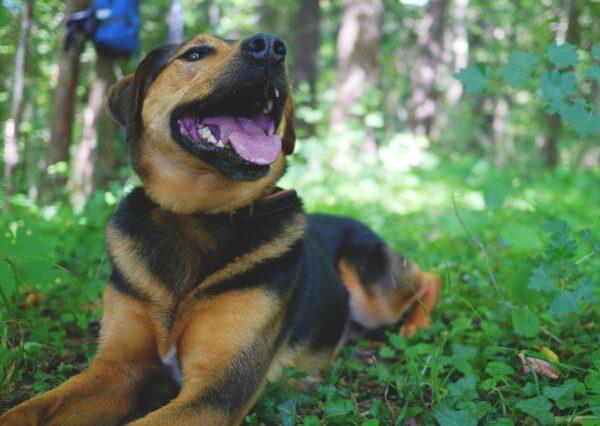
When we’re out walking our dog and they are panting, we rarely pay any attention, we know that it’s a typical behaviour associated with exercise. Equally, if it’s gotten a little warmer, we expect panting (within reason). But is there a time when panting can indicate something which does require some further attention? It’s a behaviour that we ask pet guardians about in a My Pet Nutritionist consult, so let’s get to the bottom of what panting is, and if it’s anything to worry about. What is panting? Panting is characterised by fast, shallow breaths, a wide-open mouth, and an extended tongue. It’s generally associated with a dog trying to cool down, also known as thermoregulation. Cooling results from the inhalation of cooler air and exhalation of heat along with the evaporation of water in the dog’s respiratory system. The respiratory system in dogs is made up of their mouth, nose, trachea and lungs and it serves two main functions. Firstly, like in humans, it is how the body exchanges carbon dioxide and oxygen. In general, healthy dogs will have a resting respiration rate of anywhere between 15 and 40 inhalations and exhalations a minute. The typical respiration rate when panting increases 10-fold, so up to 400 inhalations and exhalations per minute is expected. It’s second function is to regulate body temperature. A normal body temperature for a dog is between 38.3°C and 39.2°C. An increase by just 1-2°C can have major effects on the dog’s system. They therefore rely on panting as their primary means of expelling heat. There are three known patterns of panting: inhalation and exhalation through the nose, inhalation through the nose and exhalation through the mouth, inhalation through the nose and mouth and exhalation through the nose and mouth. It is suggested that the most effective cooling system is when air is directed through the nose and out through the mouth. So why don’t dogs sweat to cool down? The human mechanism for cooling down is to sweat. As sweat evaporates, we cool down. Due to the thick coats dogs have, sweat just wouldn’t evaporate resulting in a thick, furry coat full of sweat! Nice! Dogs do have sweat glands, but on their paws. It is rare to see a dog with sweaty paws after exercise. You will tend to find sweaty paws in response to stress – which is why you’ll see damp patches on the table at the vets or groomers. What are the triggers and causes for a dog panting? Exercise This is a well-known cause for panting in dogs. Exertion increases heart rate and overall body temperature. Therefore, to regulate their body temperature, dogs will pant. Heat It is suggested that it can take from 7-60 days for a dog to acclimatise to a temperature change in the environment. This can be influenced by body shape, size, coat type and length and the overall health of the dog. Some of the breeds that are more sensitive to an increase in environmental temperature include: Pugs, Lhasa Apso, Boston Terrier, English Bulldog, Boxer, Cavalier King Charles Spaniel and French Bulldog. These are known as brachycephalic breeds and due to their small nasal passages and short windpipes, they don’t pant as efficiently as other breeds. This puts them at a much higher risk of heatstroke. Dog Days of Summer Anxiety/Fear/Phobia Many dogs who suffer with anxiety or fear will pant. It is thought that the fear response increases the heart rate which in turn raises the body temperature. There are usually other signs that accompany panting in a fear response, such as yawning, pacing, crying, whining, shaking, lip licking or hiding. Storms and holidays with fireworks are often a source of anxiety for dogs, so it is quite common to see more panting during these times. There are many ways to help relieve anxiety in dogs including: Thunder Jackets, Plug-in diffusers – these release calming pheromones which mimic those of nursing dams when comforting their litter. Creating a safe place – a covered crate or a space under the stairs or a table. Top Tips for Anxiety in Cats and Dogs 6 Nutritional Tips for Anxiety in Dogs Panting accompanied with shaking is a typical stress response in dogs so consider whether there has been any change to their daily routine, even the smallest changes can be worrying for some dogs. Is panting a symptom of a long-term health condition? It can be. Heart failure When the heart is no longer pumping oxygenated blood efficiently, body parts and tissues will become oxygen deprived. The easiest way to correct this depletion is to increase respiration which often results in panting. Symptoms of heart failure include: Fatigue, Difficulty breathing, Loss of appetite, Weight loss, Coughing. Older dogs are more susceptible to heart issues. The ageing process naturally causes your dog’s organs and systems to deteriorate. Keeping Your Senior Dog Healthy Heart failure can also occur as a result of heartworm disease. Heartworms are spread through mosquitoes. Infective heartworm larvae migrate through the dog’s body until they reach the heart and blood vessels in the lungs. Symptoms of heartworm include: Coughing, Intolerance of exercise, Laboured breathing/panting. Natural Worming Options for Pets Obesity Overweight dogs will often pant excessively. This is due to the strain placed upon the cardiovascular system. In determining whether your dog is a healthy weight, you should be able to see a waistline, feel the ribs and from a bird’s eye view, your dog should have an hourglass outline. Maintaining a healthy weight in your dog should be achieved through species appropriate diet with portion control and regular exercise. Obesity in Pets Part I Obesity in Pets Part II Low Fat Fish Cushing’s Disease This is when the adrenal glands produce too much cortisol, also known as hyperadrenocorticism. Cortisol is produced and stored by the adrenal glands, two small glands which sit on top of the kidneys. Investigations of the cause will usually be tumours found on the pituitary or adrenal gland or