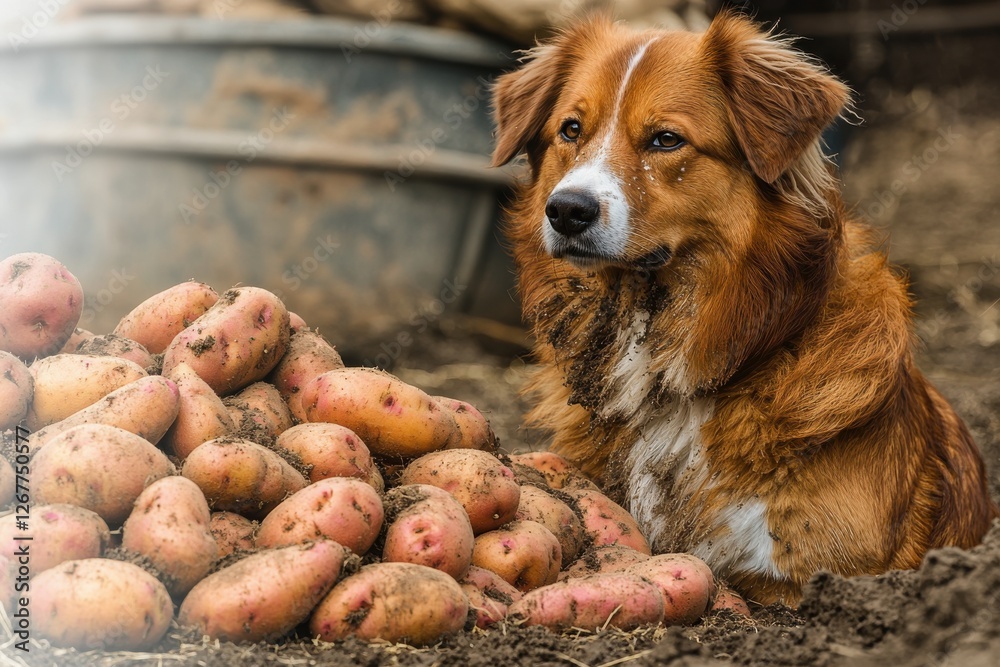
Dog owners often meet conflicting advice when it comes to their pet’s nutrition. It really can be a minefield! Here at My Pet Nutritionist, we love to have a balanced view on certain aspects of nutrition in order to help pet parents make an informed decision. Starchy vegetables are often both shunned and recommended among pet parents – this blog aims to help you decide if you should feed them to your dog. What Are Starchy Vegetables? How do we define ‘starchy’ in terms of vegetables? Starchy vegetables are those with high complex carbohydrate content. Of this high carbohydrate content, a large proportion is starch. Starch is made of a large number of glucose molecules joined together; known as a polysaccharide. Starchy foods are digested very slowly, providing slow-release energy; not the main source of energy for a dog! We must remember the digestive tract of a dog is much shorter than that of us humans, which means there is less time for digestion to occur. The Nutritional Research Council (NRC) state that dogs do not require a large amount of carbohydrates. Some common examples of starchy vegetables include: Potato Sweet Potato Squash Pumpkin Parsnip Peas Banana watermelon Different vegetables contain different amounts of starch, which each have a differing Glycaemic Index. Keep reading to learn about the Glycaemic Index! The Glycaemic Index When looking at feeding plant matter, whether that’s fruits or vegetables, we suggest looking at the Glycaemic Index (GI). This index is a means of rating how quickly a food containing carbohydrates will raise blood sugar levels/causes a sugar spike. The three categories are: Low GI: foods with very low or no carbohydrate content. These foods will usually digest quickly, and either will not cause a raise in blood sugar levels, or will only raise it slightly, and slowly. Some examples include broccoli, green beans, cucumber, courgette, cabbage, peppers, mushrooms and herbs. Medium GI: foods with a medium amount of carbohydrate. These foods will cause an elevation in blood sugar levels, which will happen at a medium pace. Foods with a medium glycaemic index will generally take a little longer to digest than those with a Low glycaemic index. Examples include berries, apples and pears. High GI: high carbohydrate foods, usually complex carbs; and where our starchy vegetables fit in! These foods will raise blood sugar levels considerably, and quickly. They are also slower to digest. Findings Here Pros of Feeding Starchy Vegetables There are certainly some benefits to feeding some starchy vegetables. The key here is to do so with purpose, and in moderation. Here’s how feeding a small amount of starchy vegetables may benefits some dogs: High fibre digestive aid: most high starch vegetables, are also high in fibre. These are often used as a digestive aid, for those requiring help with bowel movements. Popular vegetables used for this purpose are pumpkin and sweet potato. These are also great options for those recovering from illness – it is relatively easy to digest, and supports gut maintenance. Prebiotic: some high starch vegetables have prebiotic qualities, including pumpkin, sweet potato, apple and banana. Prebiotics benefit the gut microbiome as they act as food for probiotics (the good bacteria in the gut). Source of vitamins and minerals: many starchy vegetables are dense in nutrients. Some of the essential vitamins found in abundance in starchy vegetables are Vitamins A, B6, C, E, and K. Mineral-wise, Beta-carotene and Potassium are often found in large amounts in starchy vegetables. Increased metabolism in low fat diets: some dogs require a low fat diet, whether this is due to being overweight, or having a health condition that requires a low fat diet such as Pancreatitis. Studies suggest that feeding starchy vegetables can lead to increased fat metabolism, as well as bringing anti-oxidative effects, and improving mucosal barrier function and immunomodulation. Increased stamina in active/sport dogs: as starchy vegetables offer a form of slow-release energy, feeding a small portion of these as part of an active, or sport dog’s diet, especially approaching days of high activity, may help to support a healthy stamina. Findings Here Findings Here Findings Here Cons of Feeding Starchy Vegetables As with many aspects of healthcare and nutrition, there are some reasons you may wish not to feed starchy vegetables to your individual dog, or at least heavily limit the amount fed. Here are some reasons owners may decide against feeding such ingredients: Yeast and itching: many itchy dogs cannot have high starch diets due to their high carb content. The sugars in these items can contribute to itchiness, and feed yeast. Yeast loves carbs, so in those who are yeasty or itchy, we advise avoiding these vegetables, and only reintroducing slowly and in small amounts as part of a full elimination diet. Weight gain: when consumed in large amounts, the sugars these starchy vegetables are broken down into can contribute to weight gain. Diabetes/Insulin resistance: when large amounts of starchy vegetables are fed to your dog, frequent blood sugar spikes can lead to insulin resistance. This can result in diabetes, which you can read more about here. Anti-nutrients: previously, we mentioned how nutrient dense many starchy vegetable options are; however alongside these beneficial nutrients, they often contain relatively high amounts of ‘anti nutrients’ – these are nutrients which can interfere with the absorption of other nutrients through various pathways. Some examples of anti-nutrients commonly found in starchy vegetables include Phytic Acid, Lectins, Oxalates, Tannins, and Glucosinolates. Pancreatic stress: those with pancreatitis should be wary of feeding many high starch vegetables, due to the added strain on the pancreas. Starchy vegetables and other starchy food sources can be difficult for the pancreas to process. Changes to pH: in the occasion a pet owner feeds their carnivorous pet a high starch/carbohydrate diet, this can cause a change to their natural pH – this process is called Alkalosis as the body becomes more alkaline. Our carnivores naturally have a more acidic pH to be able to digest their natural, meat based
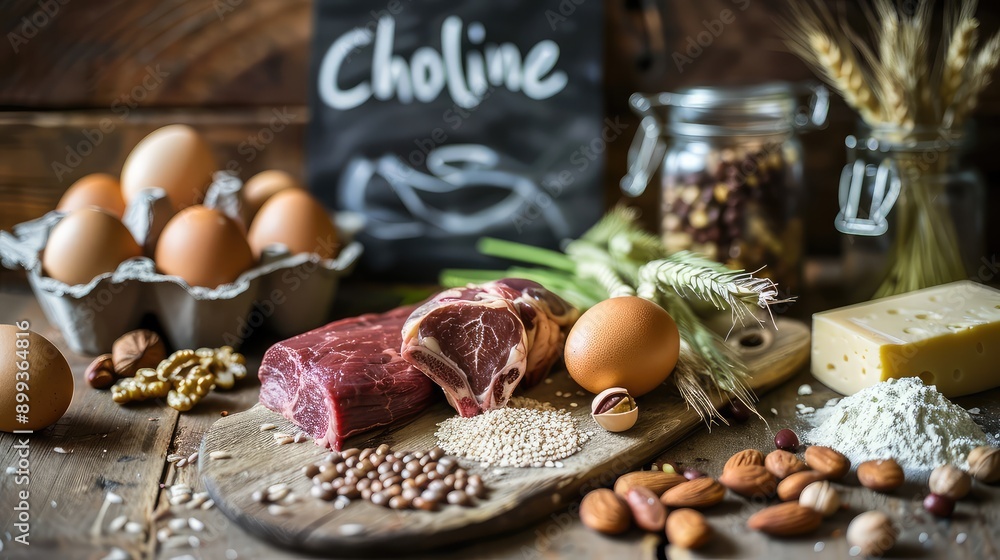
Here at My Pet Nutritionist, we know how important your pet’s diet is, and how their diet can have a huge effect on their health and longevity. As part of their balanced diet, there are many vital macronutrients and micronutrients required in the correct quantities to ensure optimum health. One of the essential micronutrients required in the diet of both dogs and cats, is Choline; but why is it so important? Read on to find out! What is choline? Choline is an essential micronutrient; however it is neither a mineral nor a vitamin! It is a water soluble organic compound. Essential nutrients are nutrients the target species MUST consume within their diet. These nutrients are needed by the body, but the body cannot produce enough; meaning the diet needs to include them. As nutritional science has evolved over the years, move and more essential nutrients have been discovered. Choline is one of the newest discoveries in the nutrition world, being recognised as an essential micronutrient only since 1998 by the Institute of Medicine! When reading literature, you may find Choline is grouped with B Vitamins due to its similar functions within the body. Another important nutrient is Betaine, which is a metabolite of Choline. When Choline is metabolised, Betaine is formed, which has many health benefits such as protecting cells from osmotic stress (keeping cells perfectly hydrated, and stopping them from shrinking or swelling), and acting as a methyl donor, which plays a vital role in liver health, and is heavily involved in other major internal systems. Findings Here Findings Here Why is Choline Important? Choline, as an essential nutrient, is extremely important. It plays a huge role in many systems within the body from cells to metabolism, to DNA, to the nervous system. Let’s take a closer look at the roles it plays in the body: Cell Membranes: Choline is largely responsible for supporting the integrity of cell membranes, due to its ability to create the necessary fats to keep cell structure strong. Cell messengers: there are a number of compounds that act as cell messengers – passing signals between cells to allow them to ‘communicate’. Choline helps to produce these compounds. DNA Synthesis: like Vitamins B9 (Folate) and B12 (Cobalamin), Choline is involved in the synthesis of DNA. DNA is the body’s genetic code, so it is incredibly important to keep it healthy. Metabolism and transport of fat and cholesterol: this mainly improves the health of the liver. Choline helps to remove cholesterol from an individual’s liver by producing the responsible substance. If your pet is deficient in Choline, fat and cholesterol can build up in the liver, which would dampen it’s functionality. Benefits the nervous system: when Choline combines with an acetyl group, a reaction occurs using an enzyme called choline acetyltransferase as the catalyst. The result of this reaction is the production of Acetylcholine – an important neurotransmitter. Acetylcholine plays a major role in many aspects of health including muscle movement, memory/cognitive alertness and heartbeat regulation. Essential for healthy pancreas: studies show that a deficiency in Choline can be linked to pancreatitis. These studies suggest that supplementation with Choline can protect pancreatic cells, and reduce the risk of pancreatitis flares. One of the main pancreatic issues in those lacking a sufficient amount of Choline, is disruption to the exocrine system. Methylation: probably one of the most important roles of Choline in the body is Methylation. Methylation is incredibly important as it is the process which creates the Myelin sheath; the protective layer coating nerves in the body. These nerves affect brain health, and general nervous system health throughout the body. Benefits during pregnancy: during pregnancy and foetal development, choline is extremely important as it aids cognitive development in the maturing foetus – this sets young puppies and kittens up for better cognitive function when born and ageing. Findings Here Findings Here Findings Here Findings Here How Much Choline Does My Pet Need? Cats and dogs require different amounts of choline – in fact every species has different requirements for almost every nutrient, so it’s important that we tailor our pet’s nutrition to suit their species. With that in mind, how much choline is required for cats, and how much for dogs? Studies suggest that adult cats require a minimum of 800mg of Choline per kilogram of FRESH food per day, and that there is no upper tolerable limit in cats. in terms of dry food matter, this is around 3500mg/kg. Kittens may require a little more than this recommendation. Dogs require a different amount of Choline in their diet to cats. Adult dogs require at least 474mg per kilogram of FRESH food in their diet per day. in terms of dry matter, this value is around 2500mg/kg. Our nutritionists recommend around 800mg per kg of fresh food! Puppies may require a little extra. Sources of Choline When it comes to looking at pet foods on the market, most will contain Choline – however the form the choline is given in, may affect it’s efficacy. Ultra processed foods, such as dry extruded foods, may not be the best source of Choline for your pet; during the manufacture of these foods, the whole food ingredients are subject to high temperatures and multiple processing techniques which can damage nutrient quality and bioavailability. These foods are often sprayed with synthetic vitamins at he end of manufacture in order to reach minimum guidelines. At My Pet Nutritionist, we advocate for a fresh diet, where nutrients are sought mainly through the fresh ingredients included in the recipe. Some fresh food ingredients, rich in Choline, include: Liver – 209mg per 50g Eggs (especially egg yolk!) – 147mg per egg Kidney – 105mg per 50g Cod – 74mg per 50g Beef – 70mg per 50g Pork – 43mg per 50g Poultry – 36mg per 50g Brussels Sprouts – 31mg per 50g Shiitake Mushrooms – 29.7mg per 50g Cauliflower – 22mg per 50g Broccoli – 16mg per 50g Salmon – 11mg per 50g Nuts
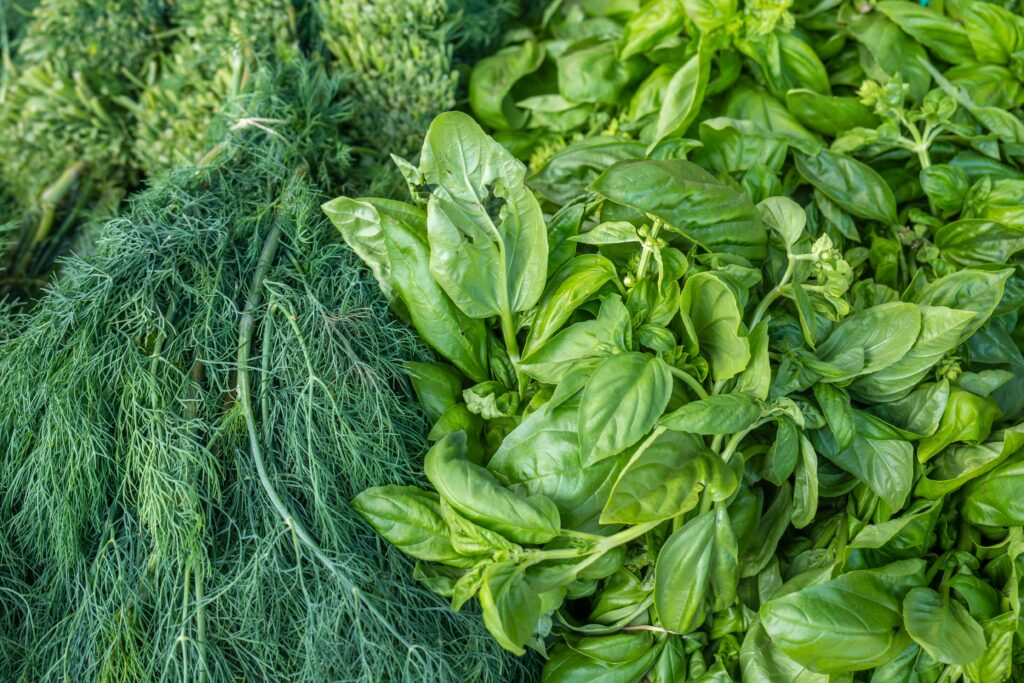
Here at My Pet Nutritionist, we use a combination of healthy diets tailored to your pet’s needs, alongside beneficial gut-friendly herbs, and nutraceuticals. These supplementary additions often come with hosts of benefits, when used in the correct way, for a specific purpose. We often get asked about the various herbs and nutraceuticals we recommend in various blog posts and in our recipes and supplements – you can learn more about some of these here! What Are Gut Healing Herbs? Herbs high in mucilage are often known as the ‘gut healing herbs’. These herbs are usually considered to be a source of prebiotics – food for probiotics; however these herbs have another very important function when it comes to gut health! Mucilage is a soluble dietary fibre, which produces a mucus-like substance which lines the gut wall. When the gut wall is lined with this slimy textured substance, it forms a protective barrier to reduce the risk of further gut damage, and allow the gut to heal. Inflammation is then reduced due to lack of irritation. Mucilage has a fantastic soothing effect on the digestive tract too – those with acid reflux, or having recovered from illnesses like kennel cough which may cause throat irritation may find a powdered form best, due to the soothing effect of the mucilage in these herbs. As an additional benefit of these popular gut healing herbs, the mucilage can increase digestive performance resulting in better stools; this is due to the mucilage adding bulk to the stool (reducing constipation), aiding water absorption, and increasing gut motility. Some studies also suggest that mucilage rich herbs may reduce the build up of cholesterol, and aid the regulation of blood sugar levels. Frequently used mucilage herbs include slippery elm, marshmallow root, and deglycyrrhizinated liquorice root – we will look closer at these later. Findings Here Findings Here What Are Nutraceuticals? Nutraceuticals are components of foods that bring benefit to health. You may often come across plant based supplements for pets; these are packed full of nutraceuticals! Functional foods are also classed as nutraceuticals. Many nutraceuticals enhance basic nutrition, whereas some provide medicinal properties. Some benefits of using carefully selected nutraceuticals include improved overall health, prevention of chronic disease, increased longevity and all round structural support for the body. The term ‘nutraceutical’ is a combination of the words ‘nutrition’ and ‘pharmaceutical’ – meaning they share the same properties as pharmaceuticals, but are acquired through nutrition Functional herbs, antioxidants, probiotics, vitamins and minerals are all examples of the categories most commonly encountered in the world of pet nutrition. We will delve into these categories in terms of nutraceuticals later. Findings Here Findings Here When Should We Use Gut Healing Herbs and Nutraceuticals? A question we often hear at My Pet Nutritionist, is “should we be giving any supplements?” – and our answer is always “if your pet could benefit from a carefully selected supplement, then absolutely!”. It is important not to needlessly add lots of different nutraceuticals and gut healing herbs to your dog’s diet, unless they require/could benefit from it. When it comes to giving mucilage herbs, these can be incredibly beneficial in situations where gut damage is apparent. Situations a mucilage herb may be beneficial include: Allergies: due to an immune malfunction Intolerances: due to gut damage or leaky gut syndrome Following vaccines, worm or flesa treatment: these products are very damaging on the gut, so gut healing may be necessary. Acid reflux: soothes the digestive tract and reduces the risk of acid reflux Upset stomach or constipation: these herbs help to rectify loose or solid stools when needed. Great to have in the first aid cupboard! When looking at nutraceuticals, we need to look at the symptoms your dog or cat is displaying, alongside gaining a diagnosis from your veterinarian. Some types of illnesses you may use nutraceuticals for include: Joint issues Skin issues Digestive issues Cognitive health issues (anxiety etc) Vision issues As brilliant as nutraceuticals can be as part of your pet’s health regime, many do come with some contraindications with pharmaceuticals your pet may need. Contraindications are negative interactions with drugs – these interactions can often cause downregulation of the drugs themselves, leaving your pet vulnerable to disease progression. An example of this is curcumin – the active compound in turmeric. It is fantastic for joint support/arthritis, cardiovascular function, reducing inflammation, eradicating free radicals, immune support, cognitive ability and cancer prevention. The reduction in pain in those who take curcumin is vast; however some individuals may require pain pharmaceutical pain relief for their condition. Curcumin is known to downregulate the effects of some pharmaceutical analgesics, as well as various other drugs. It is always best to check with your veterinarian before starting a new nutraceutical, if your pet is on pharmaceutical drugs. Findings Here Findings Here Popular Gut Healing Herbs The three most popular gut healing herbs can all be found inside our Gut Guardian supplement, along with probiotics and chamomile. Lets take a closer look at these mucilage herbs! Marshmallow Root: this is a sweet smelling and tasting herb derived from the Althaea officinalis plant. When combined with water, it immediately forms a thick, slimy substance due to it’s high mucilage content. Traditionally, marshmallow root is used in cases of digestive or respiratory issues, and also topically to soothe skin issues. As well as being high in mucilage, it also contains high amounts of antioxidants, anti-inflammatory properties, and antibacterial properties. slippery elm: like marshmallow root, slippery elm produces a slimy substance when combined with water. It originates from the inner bark of the slippery elm tree (Ulmus rubra), and is often used to treat digestive issues, and sore throats by lining the oesophagus. DGL (deglycyrrhizinated liquorice): this herb increases mucous production in the body, which helps line the stomach, reducing the risk of harm caused by acid. DGL is thought to have properties to treat ulcers too! Findings Here Findings Here Findings Here Popular Nutraceuticals There are many nutraceuticals used in the
In part two of our focus on the diet of a senior dog, we will look further into some specific nutritional categories bringing fantastic health benefits to your senior dog. We will also go through our recommendations on what to feed your senior pet, including specific nutrients and supplements you may wish to consider! Read Part 1 here! Specific Beneficial Nutrients There are a number of macro- and micronutrient categories senior dogs would benefit greatly from to slow the ageing process down, and reduce age-related inflammation. The two main categories to analyse here are Antioxidants, and Omega Fatty Acids. Antioxidants: these are one of the most important categories of nutrients to feed your senior dog (and are highly beneficial at any age!) due to their action against oxidative stress. As dogs age, oxidative stress becomes more proliferative; it’s a natural part of ageing! Oxidative stress is caused by ‘free radicals’ – unstable oxygen molecules missing an electron. Free radicals damage all parts of the body from organs to joints, causing joint degeneration, cancer, altering DNA, neurodegenerative diseases, adverse alteration of fats and proteins, and other diseases like diabetes, so it is incredibly important to combat these cells as best you can. Antioxidants tackle and remove free radicals from the body, leading to less oxidative stress, and therefore slower ageing. Some excellent sources to think about including in your senior dog’s diet include blueberries, strawberries, artichoke, goji berries, red cabbage, kale, ginger, spinach, parsley, pecans (in small amounts due to fat content), fresh garlic (avoid in Japanese breeds) and rosemary (avoid in epileptic dogs). Omegas Fatty Acids: this group of fats are another incredibly important category of nutrients to include in your senior dog’s diet, specifically Omega 3. The two ‘main’ omega fatty acids are Omega 3 and 6 – both are essential. Omega 9 is present in the diet too, but doesn’t add as many benefits to the dog’s health as Omegas 3 and 6. Omega 6 fatty acids called Linolenic Acid (LA) and Arachidonic Acid (ARA) are inherently inflammatory. The only non-inflammatory Omega 6 is Gamma-linolenic Acid (GLA). Omega 6 brings many benefits to the health of the dog despite it’s inflammatory properties, including control of hormones, however as it is naturally in abundance in our carnivorous pets’ meat based diet, we need to balance the inflammation out! This is where Omega 3 comes in! Omega 3 includes Eicosapentaenoic Acid (EPA), Alpha-linolenic Acid (ALA) and Docosahexaenoic Acid (DHA), and is inherently anti-inflammatory. The anti-inflammatory properties of Omega 3 Fatty Acids balance out the inflammation caused by Omega 6 Fatty Acids. EPA is the main inflammation reducer, while ALA aids immune and heart health, and DHA aids cognitive health and development. Some excellent sources of Omega 3 to include in your dog’s diet include fatty fish and fish oils, algal oil, flax and chia seed, oysters and eggs. You can read more about choosing an omega supplement for your pet here! Findings Here Findings Here Findings Here What Type of Food Should I Feed? The dog food market really is a minefield! There are many options of different food types, each claiming to be the best! Our ethos here at My Pet Nutritionist is to feed as fresh food as possible! Minimal processing is a major factor in healthy ageing and longevity. In this article, we are going to take a closer look at dry food, fresh cooked food, and raw food. Dry food is not a diet we would generally recommend, especially not for a senior dog! But why? High carb: carbohydrates can have an inflammatory effect on our pets. Dry foods are typically between 30 and 60% carbohydrate – sometimes even higher! Manufacturing process: these foods undergo a huge amount of processing. During the cycle of production from raw ingredient to bag, these foods are subject to up to 4 separate high-heat processes, each time reducing nutritional quality. Synthetic vitamins and minerals: our senior dogs may not be able to utilise the synthetic vitamins and minerals often sprayed onto the dry food at the end of the manufacturing process, deeming them useless. Glyphosate: due to the extreme manufacturing process, glyphosate production occurs. This is the main ingredient effective against killing weeds, but it is linked with cancer and damage of the gut microbiome. Mycotoxins and Aflatoxins: mycotoxins are chemical compounds caused by mould and can lead to vomiting and seizures. Aflatoxins are also caused by mould in food and can lead to cancer and liver damage. Storage mites: before bagging, dry foods are often stored in large hoppers – and even after bagging, the shelf life is very long, encouraging storage mites which can trigger allergies. Advanced Glycation End Products: shortened to AGEs, these harmful chemical compounds are produced during manufacturing, and a linked to cancers, inflammation, oxidative stress and premature ageing. Why do we advocate for a fresh cooked, or raw diet? Which is best for senior dogs? Fresh food is minimally processed, meaning the harmful compounds listed above do not form, reducing the risk of inflammation, oxidative stress and other disease in the body. As the ingredients are still in their whole, natural form they are nutrient dense, and provide the body with excellent nutrition! Another major benefit to fresh food, is that it is high in moisture – moisture in the diet is essential for kidney and gut health, both of which are known to worsen during the ageing process! As the gut motility of senior dogs can reduce, and other changes in the gut naturally occur, many seniors cope best with fresh cooked food as opposed to raw food – though some do still tolerate raw food! We have an extensive array of well formulated and balanced meal recipes for dogs on our website! Our Recommendations There are various aspects of diet we actively encourage owners of senior dogs to include in their dog’s feeding regime. Some may benefit from a more tailored 1-2-1 approach with one of our consultants, however our general
Here at My Pet Nutritionist, we help pet owners help their beloved dogs and cats with all aspects of health and nutrition. Those we consult for include all ages, from puppyhood right through to old age. Our golden oldies deserve just as much love and care as their younger counterparts! As a dog ages, their dietary needs may change – but how? In this bumper 2-part blog, we take a look at the dietary changes your senior dog may need to stay happy, healthy and pain free! Is My Dog a Senior? This is a question we here ever so frequently! Is your dog a senior? Is there a specific age your dog becomes a ‘senior’? what are the signs your dog is becoming a senior? Many processed dog food manufacturers will class a senior dog as ‘7 years plus’ – however we know there are so many contributing factors to a dog becoming a ‘senior’, and this isn’t always at 7 years of age! Factors affecting a dog’s ageing include: Breed: generally speaking, larger breeds will hit their senior years far earlier than smaller breeds. Breeds with predispositions to health conditions may also reach senior years earlier than those without. Genetics: a dog’s family genetics/history can affect the age they reach senior years. Medical history: if your pet has had any health complications growing up, any medical reactions, infections etc, these may cause senior years to come sooner. A dog’s neutering status, or the time they were neutered may also contribute to ageing. Dietary History: a dog fed a gut-friendly diet, full of natural nutrients, with minimal processing for life is more likely to reach senior years later than those fed an ultra-processed diet full of synthetic micronutrients. Ultra-processed dry foods also tend to have a high content of pro-ageing substances called Advanced Glycation End-Products (AGEs) which cause faster ageing. Exposure to toxins: toxin exposure can cause disruption in the endocrine (hormone) system, and cause gut stress which usually comes hand in hand with life shortening conditions, causing senior years to approach quickly. These toxins can be anything from flea and worm medications to environmental toxins both in the home and out and about. Behavioural History: even your dog’s behaviour can have an effect on longevity! This may seem like an odd link, but behavioural stress can have an effect on physical stress, and vice versa. The pathway between the brain and gut, known as the gut-brain axis is at play here! Physical stress on the body, caused by behavioural stress, will speed up the process of ageing. Signs that your dog is entering their senior years include: Weight loss Reduced hearing Reduce eyesight Increased fatigue Less willingness to exercise Reduced cognitive ability Stiffness Reduced appetite Increased water consumption Development of lumps and bumps Lack of balance and stability. Of course, as your dog enters the early staged of senior-hood, these symptoms may be mild, and your dog may only display a few. As your dog progresses through their senior years, more symptoms may appear, or existing symptoms may worsen. Nutritional Needs of a Senior Dog As your dog ages, various changes occur throughout their body which require some nutritional tweaks to ensure optimum health continues. These changes include various internal systems in the body such as: Gut health: the gut of an ageing dog can be subject to various changes affecting gut motility, nutrient absorption and processing. Digestive capabilities often occur due to gut degeneration. Brain health: ageing canines are often subject to cognitive decline. Joint health: one of the major pathways from the gut is the gut-joint axis. When the senior dog’s gut is compromised, joint conditions can become more prominent. Senior dogs generally require more joint support than younger dogs. Dental Health: dental conditions like gingivitis, tooth decay, periodontal disease, tooth fractures and tooth resorption are often seen in older dogs. Kidney Health: kidney disease is one of the more common age-related diseases we often hear about here at My Pet Nutritionist, as older dogs are more susceptible to Chronic Kidney Disease; a progressive disease. Heart Health: as the heart is a muscle, over time it can begin to fatigue. Statistically, around 75% of senior dogs suffer some sort of heart disease! Findings Here Findings Here Findings Here Findings Here When it comes to nutritional composition, we need to look closely at the macronutrients and micronutrients in your dog’s diet; both quantities of, and types/sources of. Macronutrients are the main nutrients our bodies require in larger amounts; let’s take a look these requirements for a senior dog: Protein: The building blocks of protein are called Amino Acids. Amino Acids are essential for pretty much everything in the body to form and function normally, including muscles, tendons, ligaments, cartilage, hair, nails and skin. Protein is also used in the endocrine system, to enable the healthy production of hormones throughout the body. As the dog ages, protein deficiencies become more common, which can lead to absorption issues and muscle degradation which ultimately affects mobility. A meat based, moderate-high protein diet is advisable for senior dogs. Fat: as dogs become less active due to the natural ageing process, a low fat diet may be advisable. Feeding a high fat diet when activity levels are waning may cause weight gain which puts pressure on joints and other parts of the body. The type of fat included in the diet also makes a difference! Saturated fats are the type we ideally do not want much of, however Omega 3 Fatty Acids are known for their anti-inflammatory properties, and are an important part of s senior dog’s diet! More on this later. Carbohydrate: ‘complex’ carbs which are high in fibre may be a great addition to your pet’s diet, to improve digestion, regulate metabolism and help maintain the immune and nervous systems. Higher fibre carbohydrate options include kale, broccoli and leafy green vegetables. Other ‘complex’ carbs that are ok to be fed in small amounts include sweet potato, pumpkin, banana, berries
Here at My Pet Nutritionist, we consult for a huge number of families with an enormous variety of health concerns in their pets. Once diagnosed by a veterinarian, our packages aim to support your pet with a more natural view. One of the conditions we are asked about a lot, is Hypophosphatemia. This is a condition that occurs in both dogs and cats, so this blog may be a handy read for both owners of cats and dogs. Hypophosphatemia is the clinical term for low phosphorous levels being present in the blood. This condition is far more common in dogs than it is in cats. Hypophosphatemia is associated with a host of other health conditions, and can cause a variety of health conditions in itself. Some of the conditions commonly caused by Hypophosphatemia include: Bone Diseases: Rickets is a bone disease often caused by low phosphorous levels, and is specifically a bone growth disease – it ultimately causes bone softening to occur, as well as deformities, especially in puppies and kittens! Another common bone disease caused by Hypophosphatemia is Osteomalacia which is a very similar bone softening disease, but found more commonly in adults. Muscle Weakness: muscles may become weaker, and the pet may become more physically unstable, and may appear slimmer with little muscle tone. Respiratory problems: in rare, severe cases, respiratory issues can occur as a result of low blood phosphorous. Heart Failure: another rare condition to come of low phosphorous levels, in the more severe cases. Seizures: again, while rare, seizures can occur as a direct result of severe Hypophosphatemia. Findings Here Findings Here Symptoms and Causes The clinical presentation of Hypophosphatemia changes depending on the severity of the deficiency in your pet. The trickier side of these symptoms, is that they are common in a variety of health issues, not just Hypophosphatemia! This can make diagnosis more difficult. If your pet has mild Hypophosphatemia, you can expect to see some of, or all of the following symptoms: Muscle weakness: a change in gait, difficulty climbing stairs, weakness when getting up from a bed or laying position, or difficulty standing for long periods. Reduced, or total loss of appetite: pets may have a reduced appetite, or stop eating all together. Lethargy: unwillingness to be active for usual periods of time. Pets may be less alert. Disorientation: leaning or wobbling when standing may occur Findings Here If your pet has severe Hypophosphatemia, you may see the above symptoms, as well as some of the following: Seizures: neurological activity can occur due to the lack of phosphorous in the blood. Ataxia: loss of coordination is another possible neurological symptom often seen in those with a severe deficiency of phosphorous in the blood. Constipation: this can occur due to paralysis of the intestines, meaning faecal matter cannot be pushed through the digestive system in order to be expelled. This condition is called Ileus. Irregular Heartbeat: arrythmias can be detected by your vet using a stethoscope. This is a symptom of severe blood phosphorous deficiency. Haemolytic anaemia and Haemolysis: abnormalities in red blood cell counts during bloodwork may show red blood cell destruction. These conditions are a symptom of severe Hypophosphatemia. Breathing difficulties: these often come hand in hand with heart conditions, and are a symptom of Hypophosphatemia. Findings Here When we look into the possible causes of Hypophosphatemia, there are a number of possible reasons for it’s onset. Let’s take a look at them: Dietary Deficiencies: if the pet’s diet is lacking in phosphorous, hypophosphatemia is a risk. This may be found in those fed a poor quality diet. Renal Disease: disease in the kidneys can cause hypophosphatemia through two pathways – increased excretion of phosphorous in urine, and reduced ability to reabsorb phosphorous in the kidneys. Hyperparathyroidism: when the parathyroid gland (which is involved in the calcium:phosphorous ratio) is overactive, phosphorous loss is increased. Cushing’s Disease (Hyperadrenocorticism): phosphorous imbalances are common in those with Cushing’s Disease. Fatty Liver Disease (Hepatic Lipidosis): this disease in cats is a contributor to phosphorous loss. Diabetic Ketoacidosis: severe phosphorous loss can be caused by this condition which occurs as a result of complications in diabetic animals. Poor Intestinal Absorption: in those with poor gut health, absorption of phosphorous in the gut can cause deficiencies. Phosphorous Redistribution: deficiencies in phosphorous occur when there is a shift from extracellular fluid (the blood) to intracellular fluid (the cells in the body) Specific Intravenous Therapies: some IV fluids can cause a reduction in phosphorous in the blood. Findings Here Findings Here Findings Here Diagnosis Diagnosis of Hypophosphatemia is a simple process. Your veterinarian will take a blood sample, and analyse it. The test is called a ‘Serum Phosphate Test’. Once this analysis is complete, your vet will inform you as to whether your pet’s phosphorous levels are within the ‘normal’ range of results. Findings Here Conventional Treatment When it comes to treatment your vet may offer, they will first and foremost look at underlying causes. Each individual cause will have a different treatment plan, so it is important to work with your vet on these. Depending on the severity of your pet’s Hypophosphatemia, phosphorous supplementation will be advised. More severe cases may have phosphorous supplementation intravenously, but most cases will be advised to give oral supplements. Some veterinarians will also advise on changing your pet’s diet to one with extra phosphorous. Frequent check ups will be carried out by your veterinary team to keep an eye on your pet’s blood phosphorous levels. Findings Here Findings Here A Natural Approach to Hypophosphatemia As always, our approach is often supported by veterinary care, so we tend to look at this as a complementary approach as opposed to alternative. Here are some of our considerations: Feed fresh: Poor dry food will most likely be lacking in various micronutrients despite its ‘complete and balanced’ label. Nutrient levels may be affected due to the numerous periods of exposure to high heat and the subsequent nutrient loss. Synthetic nutrients are often sprayed
Here at My Pet Nutritionist, we consult with dogs and cats with a huge variety of health concerns, from digestive problems to dental problems, and everything in between! One of the dental concerns we see, affects both cats and dogs – tooth resorption. It is estimated that around 60% of cats (pure-bred cats seem to suffer the most), and 40% of dogs will be affected by Tooth Resorption by the time they turn 6 years old! There are various layers to the tooth, starting from the outer surface to the very inside of the tooth, the layers are: Enamel: a thin, white, hard layer which protects the sensitive insides of the tooth Dentin: a tick, softer layer of tissues beneath the enamel, containing microscopic tubules which lead to the nerves in the tooth. Pulp chamber: the powerhouse of the tooth. The pulp creates dentin, and also provides the dentin with nutrients to keep it healthy. This chamber is commonly known as the ‘root canal’ as it extends to the root of the tooth. Cementum: a hard surface anchoring the tooth to the gum. The gum also has multiple layers. Starting from the outer surface visible to the eye to the inside of the gum, the layers are: Gingival Margin: this part keeps the teeth securely in place. Gingival Sulcus: attaches the gum to the tooth. Cemento Enamel Junction: the area where the tooth meets the gum. Periodontal Ligament: attaches the tooth to the jaw. Pets with Tooth Resorption suffer from erosion of their dentin, which ultimately becomes destroyed. This process cannot be reversed! Gradually, more and more of the tooth is affected, becoming destroyed, and appearing to absorb into the gum. Findings Here Findings Here There are many types of Tooth Resorption in both cats, and dogs. Types in cats Type 1: Normal density is maintained, and Periodontal Ligament is unchanged. Resorption is in the Cemento Enamel Junction. Destruction occurs toward the root, or in a side to side direction. Type 2: Narrowing at the Periodontal Ligament area, and the tooth root becomes as dense as the surrounding bone. Type 3: a combination of Types 1 and 2 – teeth also become multicoloured. Types in Dogs External Replacement Resorption: most common form in dogs. The ligament space and root of the tooth change dramatically. External Inflammatory Resorption: the tooth roots are very inflamed. External Cervical Root Surface Resorption: lesions are present around the Cemento enamel junction. External Surface Resorption: the very edges of the tooth root may show on x-rays to be slightly uneven. No other clinical symptoms show. Internal Inflammatory Resorption: oval shaped swellings grow in the root of the tooth. Often caused by dental disease. Internal Surface Resorption: oval shaped swellings form further up the tooth root. May be caused by trauma, but are extremely rare. Internal Replacement Resorption: incredibly rare in pets. Progressive condition. Tunnel-like areas form as a result of tooth root fractures. Findings Here Findings Here Symptoms and Causes Outward symptoms are rarely noticeable in most cases of tooth resorption, making diagnosis often difficult. As pet owners, we need to be really vigilant when it comes to oral health. Regular teeth cleaning is important; and as part of your regular husbandry regime, practicing touching your dog or cat’s tooth may be more important than you may think! One of the few signs that your pet may be suffering with tooth resorption, is pain when the tooth is touched. Other signs include: Increase in drooling Head shaking Reduction of appetite (due to pain when eating) Gingivitis/bleeding from the mouth Face rubbing Gagging Frequent sneezing In progressed cases, tooth fractures are possible – this is largely down to potential damage to the crown of the tooth due to loss of structural tissues. As a result of tooth resorption, your pet may suffer with oral infections – this is due to lesions forming on the tooth crown making the inner tooth accessible by bad bacteria. Very little is known about causes of tooth resorption. While many studies have been carried out, no specific cause has been pinpointed. During these studies, it was found that cells known as ‘odontoclasts’ are responsible for breaking down the hard tooth tissues. Findings Here Findings Here Diagnosis The process of diagnosis is usually simple when a dog shows signs of tooth resorption. Firstly , your veterinarian will discuss your dog’s symptoms, and run a physical examination of your dog’s mouth/teeth. Some veterinarians will run an additional examination under general anaesthetic to be able to get a more thorough look/feel of your dog’s teeth and gums. Next, they will take X-rays of your dog’s teeth. The X-rays will enable them to tell if your dog does have tooth resorption, and how severe the individual’s case is. Conventional Treatment Once your cat or dog has received their diagnoses of Tooth Resorption, treatment must be prompt due to this condition being particularly painful. The treatment offered by your veterinarian will depend on the type of resorption your pet has, and also the severity. Some pets may be referred to a veterinary dentist for treatment. In the event that the condition has progressed rapidly, or too far for the tooth to remain stable, the affected unstable tooth/teeth will be removed. This is a surgical procedure carried out under anaesthetic. In some cases, only part of a tooth is removed, if the veterinary dentist, or veterinary surgeon feels this is in the pet’s best interest. If your pet’s condition is not so advanced, and their teeth are still stable in the gum, treatment mostly involves frequent oral health check ups to check if any intervention is needed yet. Another treatment offered in select cases whereby the tooth is saveable, is root canal treatment. Again, this is a procedure carried out under anaesthetic. During root canal treatment, pulp is removed from the root canal, which is then cleaned, and filled with dental material. The aim of this treatment is to slow the progression of tooth resorption. As this
Here at My Pet Nutritionist, we tend to see quite a few cases of Cushing’s disease. Some cases seem to occur as a result of corticosteroid treatment and others tend to come with a plethora of other symptoms and disease. Here we can cover all we understand about this disease from a conventional perspective, and then we can delve deeper into the natural support we tend to offer. Cushing’s disease, also known as hyperadrenocorticism, is a condition in dogs where the adrenal glands produce too much cortisol; a hormone that helps regulate metabolism, immune response, and stress. There are two primary forms of Cushing’s disease in dogs as we currently understand, but various other forms which are perhaps less common. Let’s take a look at these, starting with the two primary forms. Pituitary-dependent Cushing’s Disease (PDH): This is the most common form, accounting for about 85% of cases. It’s caused by a benign tumour in the pituitary gland (a small gland at the base of the brain) that stimulates the adrenal glands to produce excess cortisol. Adrenal-dependent Cushing’s Disease (ADH): This form is less common and results from a tumour in one of the adrenal glands themselves. This tumour produces excess cortisol independently of the pituitary gland. Iatrogenic Cushing’s Disease: This form of Cushing’s Disease is caused by the administration of corticosteroid medications (e.g., prednisone) for other medical conditions. Long-term or high-dose use of these medications can lead to symptoms similar to Cushing’s Disease. This is not a true form of Cushing’s Disease but rather a drug-induced condition, meaning it can be ‘reversed’. Once the corticosteroid medication is reduced or stopped, the symptoms usually resolve, though it’s important to do so under veterinary guidance. Primary Adrenal Hyperplasia: In rare cases, a dog may develop Cushing’s Disease due to non-tumour-related hyperplasia (enlargement) of the adrenal glands, which leads to excessive cortisol production. This is less common compared to pituitary or adrenal tumours, and may occur due to chronic inflammation or trauma. ACTH-Secreting Tumours Elsewhere: While the pituitary gland is the most common source of excessive adrenocorticotropic hormone (ACTH) production leading to Cushing’s Disease, there are rare cases where tumours in other parts of the body (such as the pancreas) can produce ACTH or ACTH-like substances, leading to Cushing’s- like symptoms. Genetic or Congenital Causes: Although rare, some genetic or congenital conditions could potentially lead to Cushing’s Disease by causing the adrenal glands to produce excessive cortisol. However, this is not well-documented and is less commonly recognised or understood. In summary, while tumours in the pituitary gland or adrenal glands are the most common causes of Cushing’s Disease in dogs, other less common scenarios, such as iatrogenic effects or rare forms of hyperplasia, can also lead to similar symptoms. Symptoms of Cushing’s Disease The symptoms of Cushing’s Disease can vary, but common signs include: Increased thirst and urination. Dogs may drink more water (polydipsia) and urinate (polyuria) more frequently. Increased appetite Excessive Panting Abdominal swelling: A “pot-bellied” appearance due to abdominal distension. The weight is usually carried differently to those who are simply obese. Hair loss: The coat may become thin or brittle, and dogs may experience symmetrical hair loss, sometimes all over! Skin changes: The skin may become thin and prone to bruising/discolouration or infections. Those with hair loss caused by Cushing’s Disease often have a black, scaly look about them. Lethargy and fatigue Muscle wastage, especially in the hind limbs Behavioural change, including increased irritability or changes in mood. If you suspect your dog has Cushing’s Disease, your first step as a responsible pet owner is to seek veterinary assistance, where your dog’s symptoms can be investigated, and an appropriate diagnosis made. It is important to work with your veterinarian to build a suitable treatment plan for your pet. It is also important to note that some of these symptoms can also commonly be seen in other disease, hence the importance of a veterinary consultation. Causes and Risk Factors The exact cause of Cushing’s Disease isn’t always clear, but several factors can contribute: Genetics: Certain breeds are more prone to developing Cushing’s Disease, including most commonly Dachshunds, Poodles, Boxers, and Beagles. Age: Cushing’s Disease is more commonly diagnosed in middle-aged to older dogs, typically between 6 to 12 years of age. Tumours: Tumours in the pituitary gland or adrenal glands are the primary cause of Cushing’s Disease. These tumours are usually benign but can lead to significant health issues due to the impact on hormonal production and the overproduction of cortisol. Gut Health: Gut health has a huge impact on Cushing’s Disease for many reasons. Gut dysbiosis (which occurs when there is an imbalance in the gut microbiome) can come hand-in-hand with Cushing’s Disease due to the fact that some types of bacteria found in the gut cause Cortisol degradation. In those with Gut Dysbiosis, the microbiome may lack enough of this bacteria, causing elevated Cortisol levels. Inflammation: any inflammation in the body is a risk factor of Cushing’s Disease. Cortisol is known to reduce inflammation, however levels are often so high in those with Cushing’s Disease, the body often enters a state of low-grade systemic inflammation. This generalised inflammation can lead to a host of other diseases including cardiovascular (heart) disease, diabetes, and bone mass issues such as osteoarthritis. Toxin Exposure: When we really look into the nitty gritty of toxin exposure, both internally and externally, we can see worrying factors that can cause Cushing’s Disease, and other endocrine diseases. Unfortunately, some toxins our pets (and their humans!) often come into frequent contact with, are known endocrine disruptors. Endocrine disruptors interfere with the balance of hormones in the HPA Axis, which can cause overproduction of the cortisol hormone, and also commonly presents as skin issues. You can read more about the HPA axis here. Findings Here Findings Here Findings Here Findings Here Diagnosis Diagnosing Cushing’s Disease involves a combination of blood tests, urine tests, and diagnostic imaging (usually ultrasound or CT scans) to check for tumours and assess