The eyes are one of a dog or cat’s most important body parts as they give the sense of sight. This sense of sight brings with it an easier ability to socialise and develop mentally. Here at My Pet Nutritionist, we often help those with a variety of eye complaints – nutrition can make a difference to your pet’s eye health! Eye problems in pets can range from minor issues like Conjunctivitis, all the way through to severe conditions like Progressive Retinol Atrophy and other conditions that can end in blindness. This bumper 2-part blog explains what the 9 common eye problems we see most are, how they’re caused, and what you can do to help prevent or improve eye problems in your beloved pet. In Part 1, we will be looking at Cataracts, Conjunctivitis, Dry Eye, Cherry Eye and Entropion. Cataracts With their classic ‘cloudy eye’ appearance, cataracts are one of the most commonly diagnosed eye issues in pets, especially in dogs. Cataracts occur when the lens of the eye becomes clouded, and vision becomes impaired. There are 3 types of cataract, each with differing levels of severity and cloudiness: Incipient: an extremely small, pinpoint-like opacity in the lens. This type of cataract does not require treatment, and doesn’t generally cause any form of vision impairment. Immature: partial lens opacity. Starts affecting vision, and is usually treatable. Mature: full lens opacity. Vision is lost, and treatment may be possible. Cataracts are typically an age related condition, and is far more prevalent in the older population of pets than the younger population. The prevalence of cataracts is high in dogs older than 4-7 years (breed dependent), and very likely in those ages 10-13 or older. Breed predisposition is also a determining factor for cataracts. Some studies suggest that cataracts are most common in 60 breeds of pure bred dog as opposed to mixed breed dogs. Common breeds that tend to be prone to cataracts include the Miniature Poodle, Miniature Schnauzer, Smooth Fox Terrier and Boston Terrier. In a lot of cases, hereditary genetics are a determining factor too! Quite often if a parent pet has cataracts, it’s offspring will develop them too. These often affect dogs and cats earlier in life, however can appear later in life too. Dogs with Diabetes Mellitus are largely at risk of cataracts; in fact, within their first year of diagnosis, around 75-80% of dogs with diabetes develop cataracts. Trauma and inflammation are also associated with cataracts. In most cases, cataracts are treated surgically. This surgery entails the clouded lens being removed (high frequency ultrasound breaks up the clouded material, and this is then suctioned out), and an artificial lens being inserted. This treatment is quite costly, but does greatly improve the lives of those who receive it. Minor cases of cataracts are treated with corticosteroid or non-steroidal eye drops which manage inflammation in and around the eye. Findings Here Findings Here Conjunctivitis Conjunctivitis is the most common eye infection in pets. The swelling of the pink tissue inside the eye cavity becomes inflamed, which causes the outward symptoms associated with conjunctivitis. There are many causes of conjunctivitis, such as: Bacterial, viral or fungal infection: these all cause inward stress leading to outward stress, and the pathogens themselves cause inflammation. Allergies: dust, dander and pollen can cause conjunctivitis. Foreign bodies: grass seeds are a big one! Grass seeds are nasty – they migrate inside the pet! The eyes are somewhere these seeds can get stuck. The inflammation caused by foreign bodies can cause conjunctivitis. Dry eye: when the tear glands are underactive, the eye lid becomes abrasive which causes inflammation around the eye. Read more on this in the next section! Breed predisposition: some breeds, namely those with unusually shaped eyes or who are susceptible to blocked tear ducts such as Pugs, French and English Bulldogs, Clumber Spaniels, Great Danes are predisposed to having conjunctivitis regularly. Environmental Irritants: areas of pollution outside, including smoke, gardening products etc can irritate the tissues around the eyes, causing conjunctivitis. The signs to look out for which would commonly be associated with conjunctivitis include redness in the eye cavity, bloodshot eyes, discharge from the eye, squinting or rubbing the eye on furniture or with their paw, and unusually matted fur around the eye. Treatment is usually done at home using prescription treatments from the vet, such as antibiotic eye drops, steroids or antihistamines, and massage of the tear drops. Saline flushes may be carried out at the vet in severe cases. Hypochlorous Acid products such as Leucillin may be beneficial for your pet, and chamomile tea soaks are often very soothing too! Findings Here Findings Here Dry Eye Known clinically as Keratoconjunctivitis sicca (KCS), Dry Eye happens when the pet has an underactive tear gland. The role of the tear glands is to lubricate the eye, so when these are not producing enough tears, they eye becomes dry. This leads to inflammation of the tissues in the eye cavity, and sticky discharge, and eventually blindness if not treated. In order to diagnose Dry Eye, the Schirmer Tear Test will be performed during which the veterinarian will place a specific paper strip under the lower eyelid for 60 seconds. The results are interpreted by identifying how far up the strip the tears have absorbed. There are various causes of Dry Eye such as: Chronic infection: severe or long term eye infections can cause dry eye. Congenital issues: pets may be born without tear ducts. Autoimmunity: the body’s immune system attacks itself; in this case, it attacks the tear glands. Neural issues: some pets may have problems with the nerves that stimulate tear production by tear glands. Trauma: injury to the eye can cause the glands to stop working Medications: unfortunately all medications come with side affects. Some medications hold the side affect of reduced tear production, which can then lead to dry eye. Treatment for dry eye is typically treated at home with a combination of medications to promote
Here at My Pet Nutritionist, one of the topics we get asked about a lot is Addison’s Disease. This is something that can be heavily influenced by diet and lifestyle, so this blog post is a great read for those with a dog suffering from this awful and debilitating disease. Worldwide, somewhere between 1in 500 and 1 in 1000 dogs is affected by Addison’s Disease. Closer to the home of My Pet Nutritionist, a study was carried out in 2016 to determine the estimated number of dogs with Addison’s Disease in the UK. It was estimated under 1% of the dog population have it, though this may have changed as time has passed. Most commonly, young female dogs tend to be most prone to Addison’s Disease. Severe cases of Addison’s Disease lead to Addisonian Crisis, which is life threatening. Read on to find out more about this nasty disease! Findings Here What is Addisons Disease? The clinical name for Addison’s Disease is Hypoadrenocorticism. This is an endocrine disease; a disease affecting the hormone system. Addison’s specifically involves the Adrenal glands which are located near the kidneys. These glands produce lots of extremely important hormones controlling various health factors, including the control of metabolism, stabilisation of blood pressure, and keeping blood sugar levels steady. It is also involved in the immune system and part of the stress response. The adrenal glands, of which there are two, are comprised of two parts each; the inner medulla and the outer cortex. The inner medulla produces adrenaline, and the outer cortex produces two hormones called cortisol and aldosterone. Addison’s Disease concerns the outer cortex. Those suffering with the disease do not produce sufficient amounts of cortisol or aldosterone. Findings Here Symptoms and Causes There are a range of symptoms seen in those with Addison’s Disease. Typically you will see the following symptoms in mild to moderate cases: Letharghy Vomiting Diarrhoea Weight loss Loss of appetite Low mood Muscle weakness Increased thirst Increased urination In those entering Addisonian Crisis, a smaller range of more severe symptoms are possible, including: Severe dehydration (due to the inability for the body to control the salt and water balance in tissues) Irregular heart rate and blood pressure (due to the lack of aldosterone which is responsible for helping the kidneys retain sodium and excrete potassium; a crucial part of stable blood pressure) Collapse Cold extremities Persistent and severe vomiting and diarrhoea The milder symptoms are often preventable and manageable with the right lifestyle, diet and medication regimes, however those experiencing one or more of the more severe symptoms must seek veterinary aid immediately as they may be entering Addisonian Crisis which is life threatening. There are multiple potential causes for the onset of Addison’s Disease. Let’s start with autoimmunity. Autoimmune diseases happen when the body’s immune system attacks itself and other parts of the body. When a dog has an autoimmune disease affecting the adrenal glands, the body attacks the glands which damages them, causing a lack of the associated hormones. There is a specific type of Addison’s Disease known as Latrogenic Addisons. This is caused by the overuse of pharmaceuticals when a dog is treated for Cushing’s Disease (which is due to overactive adrenal glands). The drug used to treat Cushing’s Disease suppresses adrenal gland activity to better control the amount of hormones it produces, however when this drug suppresses the glands too far, Addison’s Disease is a huge risk as the glands will go from overproducing to underproducing the necessary hormones. Addison’s Disease can also be a secondary disease. The Pituitary Gland and the Adrenal Glands are part of the HPA Axis (Hypothalamic-Pituitary-Adrenal). The Adrenal Glands are largely controlled by the Pituitary Gland, so if there is a defect on the Pituitary such as a tumour or other issue, this can massively affect the functioning of the Adrenal Glands, causing partial or complete failure to produce Cortisol and Aldosterone. Another form of secondary Addison’s Disease is due to the sudden stopping of long-term steroid treatment. The shock of this on the body can cause the Adrenal Glands to stop working properly. Genetic predisposition also plays a role in the cause of Addison’s Disease. While any breed of dog can be affected, some breeds are more prone to Addison’s than others. Breeds that are genetically predisposed include Portuguese Water Dogs, Great Danes, West Highland White Terriers, Standard Poodles, Bearded Collies, Rottweilers, Leonbergers, Labradors, Soft Coated Wheaten Terriers and Nova Scotia Duck Tolling Retrievers. Findings Here Findings Here Findings Here Diagnosis If your dog displays any of the aforementioned symptoms, it is important you consult your vet who will run the appropriate diagnostic tests. Firstly, the vet will run a full blood panel, and also a urinalysis to detect any possible imbalances such as low sodium and/or high potassium which would pinpoint an issue with adrenal function. Dilute urine would also be a sign of potential adrenal function loss, but could also be a sign of diabetes insipidus. The next test performed, which confirms Addison’s Disease, is called the ACTH Stimulation Test. During this test, a blood sample is taken, before the dog is given a synthetic ACTH-like drug, intravenously. Two hours after the injection is given, another blood sample is taken. Cortisol levels in both blood samples are compared with one another, to check how much cortisol the body has produced in the presence of the ATCH-like drug (which mimics the Adrenocorticotropic Hormone secreted by the Pituitary Gland). Your veterinarian will then interpret these results. This is the same test used to diagnose Cushing’s Disease. It is important for both you and your veterinarian to note that if your dog has been on steroidal drugs before the ACTH test is performed, a false positive for Addison’s Disease is possible. Findings Here Conventional Treatment Treatment is absolutely necessary in those with Addison’s Disease; if it is not kept on top of, it can become life threatening! Initially, your vet may recommend your dog stays in the vet practice
Intolerances are one of the hottest topics here at My Pet Nutritionist! We see a huge number of itchy dogs, many with intolerances and general inflammation. Inflammation can cause many more health problem in both us and our pets, but what causes it? It can be very tricky to work out the underlying cause of inflammation, so reviewing the diet may be a great first step! In this blog post, we look at the difference between allergies and intolerances, and their link to inflammation in the body. Intolerance vs Allergy The terms ‘intolerance’ and ‘allergy’ are not interchangeable – something many pet owners don’t realise! While both conditions have similar symptoms, the clinical mechanism of disease is very different! One is curable, the other is not. Let’s take a look at each in turn. Intolerances are a histamine response to a stimulus caused by poor gut health. Intolerances can be helped or even cured through the use of gut health supplements such as our popular supplement Gut Guardian. When the gut integrity is compromised, food particles leak from the gut and into the bloodstream where they are detected and recognised as foreign bodies. When the body recognises a foreign body it will either release a specific antibody (in the presence of a chemical compound called histamine which helps the immune system fight infection, and causes the typical reaction symptoms you see in those with an allergy or intolerance. Healing the gut goes a long way in the reduction of intolerances, and often in the cure! Allergies are not curable. These are caused by a malfunction of the immune system; whereby the allergen causes severe reactions. True allergic reactions range from skin rashes and digestive issues to anaphylactic shock. Allergies can cause death, whereas intolerances cannot. Once an allergen is discovered, it is important not to feed this as part of the pet’s diet. Findings Here What is Inflammation? In order to understand the link between intolerances and inflammation, it is important to know exactly what inflammation in the body really is, and where it can happen. Inflammation is part of the body’s immune response. It can happen following trauma, during infection, due to an autoimmune condition whereby the immune system attacks the itself, due to exposure to toxins and hazardous substances like flea treatments, and also in the presence of a foreign body, be it food particles leaking from an unstable gut wall, or a physical object inside the pet. Outwardly, it is characterised by swelling, redness, heat, pain when touched, and even loss of use of the body part it is present on. When inflammation occurs outwardly, it is easy for us to see it, and help the pet, however when it is internal inflammation, it’s not visible to the naked eye which makes it far trickier to deal with! In the presence of a trigger for inflammation, specialised molecules are released by the immune system, which causes an increase in blood flow to the affected area, which causes the blood vessels to leak. This increased blood flow teamed with the leaky blood vessels is the transport system for immune cells to reach the area in an attempt to fix the problem. In pets with intolerances, we often deal with internal chronic inflammation which is more long term, and this constant rush of immune cells to these areas can cause deterioration in previously healthy tissues. Inflammation in the body is not a good thing – it’s something we want to aim to reduce or keep at bay entirely. Inflammation can cause major pain, gastrointestinal, digestive and heart issues, and can also reduce the mental health of the pet, as well as cognitive capabilities. Many pet owners mistakenly assume inflammation is always visible, and can only happen on the outside of the body. Internally, inflammation can occur throughout the body! From brain to gut, inflammation can happen. When it comes to food intolerances, the direct link with inflammation is via the gut, however this then impacts other parts of the body, which we will discuss next! Findings Here The Link Between Intolerances and Inflammation So, is there a link between intolerances and inflammation? The short answer is ‘yes’! Let’s take a deeper dive into this link. As we have previously mentioned, symptoms often associated with inflammation can vary massively both internally and externally. In terms of inflammation, the outward signs of inflammation are: Itching Skin redness Hair loss Chronic ear infections (these are caused by intense swelling in the inner ear) Visible swelling Vomiting Diarrhoea Food intolerances can be traumatic for the body, which means inflammation occurs throughout the body, starting from the gut. Due to the series of gut axes (including the gut-brain axis, the gut-joint axis and the gut-skin axis), inflammation in the gut, indirectly causes inflammation in these other parts of the body, so a pet with intolerances can truly have their whole body affected! When the body detects what it thinks are ‘foreign bodies’ in the form of leaked food particles, the immune system send lots of histamines to the area, which means their transport system (blood) rushes to the affected area quickly, causing the inflammation. The knock on effect of this inflammation in the gut is seen as trauma in other body parts, and so the immune system rushes more blood to these areas too, which again creates inflammation. The initial inflammation, or direct inflammation, caused by food intolerances is called mucosal inflammation, which is inflammation of the mucosal lining of the digestive tract. Findings Here Findings Here How Can We Reduce Inflammation Caused By Food Intolerances? There are a number of things we can do to help reduce inflammation due to food intolerances, but ultimately helping the root cause will be the most beneficial pathway. You will find a link to our consultations at the end of this blog post; booking one of these would be incredibly beneficial for you and your pet if they suffer with intolerances you can’t get control of.
Here at My Pet Nutritionist, we often have queries regarding health and it’s relation to behaviour. The vast majority of reputable behavioural professionals will refer you to a vet and or nutrition specialist such as us in the event of behavioural issues. With strong links between nutrition, health and behaviour, your pet’s diet and wellness regime is important to take into consideration when battling a behavioural issue, or preventing them. Read on to find out how health and nutrition affects behaviour. Microbiome The gut microbiome consists of various good and bad bacteria, viruses, fungi and parasites. These pathogens can be split into the ‘good guys’ (good bacteria), and ‘bad guys’ (the rest!), however in a healthy gut microbiome, the good guys outweigh the bad guys, which keeps potential disease at bay. When the balance of microorganisms in the gut is off, the bad guys take over and disease occurs, as well as behavioural problems. The gut is directly linked to behaviour via the gut-brain axis. This is a pathway, which is one of a series of pathways/axis linking parts of the body to the gut, which connects the gut and the brain. If gut health is poor, brain health is poor. A dog with behavioural issues such as anxiety can display gut issues such as diarrhoea. These are the common gut health problems which contribute to behavioural difficulties: SIBO (Small Intestinal Bacterial Overgrowth) happens when the small intestine has too much bad bacteria from the large intestine, which overtakes the good bacteria. This poor balance in the microbiome plays a part in disruption of the endocrine system and can impact the production of neurotransmitters, often leading to anxiety, aggression and the inability to settle. Dysbiosis is different to SIBO, and is a total imbalance in gut microbes, including bacteria, viruses and fungi. This total imbalance of the gut can be caused through diet, antibiotic usage, stress (a direct link through the gut-brain axis) and other common lifestyle practices. Similarly to those with SIBO, this imbalance causes neurotransmitter disruption such as Serotonin and GABA, as well as increased inflammation throughout the body, and reduced immune system function. Dysbiosis can cause physical discomfort in the gut too which links to behavioural issues which we will discuss later in this blog. Anxiety, mood changes and aggression are commonly seen in dogs with dysbiosis. Serotonin and Gaba Disruption contributes to many behavioural issues. These hormones are important neurotransmitters. GABA reduces neuronal excitability which has calming effects on the dog when facing a fight-or-flight situation. Serotonin plays a part in mood regulation, circadian rhythm, digestive capabilities and also wound healing. Dogs suffering imbalances in the gut microbiome will often face GABA and Serotonin disruption, leading to various behavioural difficulties including anxiety, low mood, and difficulties regulating a sleep pattern. Leaky Gut often occurs as a result of a diet high in lectin, the use of pest control medications, vaccinations and other drugs. Leaky Gut is when small channels appear between the cells in the gut wall, which enables pathogens and food particles to leak from the gut. Oftentimes, those with leaky gut experience food intolerances as the body recognises leaked particles as foreign bodies, initiating a histamine response. As microbiota from the gut also leaks, the gut microbiome is affected, which in turn affects behaviour. Findings Here Findings Here Findings Here Findings Here Findings Here Genetic Mutations Behavioural issues can very much be linked back to your pet’s lineage. A great way to look at this concept, is by looking at a working dog’s ‘job’. Generations of border collie partaking in shepherding work for example, or dachshunds going down rabbit holes on their walks; these are behaviours passed on through genetics. Undesirable behaviours can also pass on through generations via genetics. While behaviours are often passed on genetically, even in those bred without a history of behavioural issues, offspring may have genetically derived behavioural issues due to single gene mutations which affect nervous system and brain development. These dogs typically display anxiety, low mood and aggression. Owners of those affected by genetic mutations should focus on correct socialisation, invest in professional help (learn how to find your ideal trainers here!) and exposure to negative experiences should be limited. Findings Here Findings Here Findings Here Vitamin & Mineral Deficiency Some behavioural problems can be associated with certain vitamin and mineral deficiencies. When it comes to vitamin deficiencies, the most common vitamin deficiency seen in those with behavioural problems is the B vitamins. The main B vitamins in question when looking at behaviour, are B1, B6 and B12; these play crucial roles in neurotransmitter production, and also contribute to brain health. Due to a reduction in neurotransmitter production, a negative change in mood, increased anxiety, and increased general irritability can often be as a result of low B vitamins. Vitamin D is heavily involved in the health of neurotransmitter pathways; so naturally without a healthy pathway for neurotransmitters to travel, behavioural issues can occur. This vitamin can also have an effect on behaviour due to a deficiency causing muscle weakness and bone pain which consequently causes general restlessness and often a depressive state. When looking at mineral deficiencies, there are three standout minerals commonly seen in those with behavioural issues; zinc, magnesium, and iron. Both zinc and magnesium deficiencies present behaviourally as general restlessness and hyperactivity, as well as behavioural concerns as a result of skin problems often seen in dogs lacking these minerals. Zinc is essential for the balance of neurotransmitters, and all around brain function. Magnesium is involved in neurotransmitter regulation. Iron can cause dogs to become lethargic and display associated behaviours. Findings Here Findings Here Findings Here Findings Here Protein Deficiency There are two key nutrients involved in the link between behaviour and protein deficiency; Tryptophan and Tyrosine. These are both essential Amino Acids that are sought through the protein component of the diet. In those lacking enough protein, or that have poor quality protein in their diet, tryptophan and tyrosine supplies will
Finding the ideal behaviourist for you and your dog can seem like a very daunting task with so many new training and behaviour companies opening in recent years. While it’s great that more people are becoming interested in training, unfortunately not all dog behaviour professionals are equal; and not all are adequately qualified, regardless of the size of their social media platforms. We often have customers asking us here at My Pet Nutritionist, for our recommendations on trainers and behaviourists for their precious pooch, and we understand the importance of a great trainer with ethical methods for not only mental health, but general wellbeing too! Read on to learn about the ins and outs of finding the right behaviourist for you and your dog, with long lasting behavioural results without long lasting negative impacts on mental wellbeing. Behaviourist Vs Trainer – Which Do I Need? The first step in finding the correct behaviour professional for you and your dog, is working out which type you will need! Trainer? Behaviourist? Clinical Behaviourist? Here’s the difference between the three, and why you might need each one! Dog Trainer: dog trainers are typically those who will cover the basic bits. Etiquette, body language, tricks, pulling on the lead/general obedience, dog sports coaching etc. Puppy training classes, puppy socialisation classes and adolescent classes, and 1-2-1 loose lead training sessions are the most commonly used services provided by dog trainers. If your dog has a basic training need, or you want a training service ‘just for fun’ (trick training classes are becoming increasingly popular, agility or flyball for example) then a good dog trainer is what you are aiming for! Behaviourist: behaviourists are more highly qualified than trainers. These professionals will take on more challenging cases where more dangerous, more heavily set, or more complex behaviours are at play. Resource guarding and dog or human reactivity are the most commonly used services provided by these professionals. Many (but not all) behaviourists will look at diet, lifestyle and pain as part of their programme; we will look more into this (and why it’s beneficial) later. Clinical Behaviourist: your clinical behaviourists are those with veterinary behaviour qualifications. These professionals will take on the severely complex cases, often where severe pain or neurological defects are associated with the behavioural issue. Clinical behaviourists play an important role in the industry, as they are able to prescribe temporary behavioural medication to those most in need. Training Methods There are so many different training types/methods, but not all are the ones we want to go for! Some will be long lasting, others will sadly impact your dog’s mental wellbeing and affect your bond with your dog. Remembering that dogs learn through repetition and reward, let’s take a look at the nitty gritty of dog training methods! The four quadrants of Operant Conditioning are the basis of basic behavioural adjustment methods. When relating to operant conditioning, ‘positive’ means ‘adding to’, and ‘negative’ means ‘taking away’. Let’s take a closer look at the four quadrants: Positive Reinforcement (R+): during positive reinforcement we are adding something good in order to encourage repetition of a good behaviour. Do something good, get rewarded for it. Dogs quickly learn through repeated exercises of good behaviour and reward, and that good behaviour then becomes deeply ingrained! Example: the dog lays down when the handler says ‘down’, and the dog is rewarded with a treat. Think Pavlov’s Dog – in Pavlov’s experiment, the dog was rewarded with food every time he heard a bell ringing. Because for a short while the dog was given food each time the bell rung, the dog then associated the bell sound with being given food. Every time the bell rung, the dog would salivate in readiness of his food. This is how positive reinforcement works! Positive Punishment (P+): this is the addition of something aversive (pain, discomfort, fear) in response to a dog doing something the handler deems undesirable in order to discourage the dog from repeating this behaviour. Dogs will often end up associating the handler with aversion, which weakens their bond, and causes social anxiety. Example: the dog pulls on the lead, so the handler gives the lead a sharp pull. Those recommending the use of shock collars, prong collars and spray bottles are using positive punishment, and will often be missing basic body language signs of discomfort in the dog. Negative Reinforcement: when something aversive is removed from a situation in response to a behaviour the handler deems desirable, in order to encourage the behaviour. Example: the dog stops pulling on the lead, so pressure is released. This often follows an act of positive punishment; the dog pulls on the lead, so pressure is applied, then when the dog stops pulling on the lead (due to the discomfort caused), the lead pressure is reduced. Negative Punishment: negative punishment occurs when something the dog likes/enjoys is removed in response to the behaviour being carried out by the dog being undesirable to the handler. Example: a dog who is kept on a house-line lead is sitting on the sofa and resource guarding it, is gently removed from the sofa using the lead attached to it. This takes away the thing the dog liked (the sofa). We would always recommend using a positive reinforcement approach as it is most efficient, and has the least mental impact on the dog, however sometimes using a little negative punishment is required in severe resource guarding cases where there is an endangerment to human life. Using positive reinforcement is suitable for almost every dog, but it requires repetition, patience and time; all things that should be sacrificed for your dog’s health and wellbeing. Using other ‘quick fix’ methods will not instil long lasting behaviours, and will impact the bond between you and your pet, and depending on the behaviours at hand, may also become a danger to the wider public through fear. So, when you search for a local trainer or behaviourist, you will notice a
At My Pet Nutritionist, we work with a holistic approach – as part of this, we look at the links between behaviour and nutrition. We have a multitude of fantastic professionals on our team, including those specialising in behaviour. One of the most common behavioural questions we get asked is ‘could my dog have dementia?’ – so, do dogs get dementia? Read on to find out about ageing dogs, and changes to cognitive abilities! Canine Cognitive Dysfunction Many pet owners may refer to their dogs having ‘dementia’ – these dogs will be displaying some unusual behaviours typical of those you may notice in humans with the condition. In dogs, these neurological changes are diagnosed as Canine Cognitive Dysfunction (CCD). CCD is mostly found in older individuals, however there are some cases in slightly younger dogs. The risk of CCD increases with age as it is an age-related disease. It is a progressive disease which means as time goes on, symptoms appear to worsen. This disease is sadly incurable, but can be managed to slow progression down in most individuals. There are also other diseases with similar symptoms that your veterinarian may wish to rule out before diagnosing CCD. Younger dogs with symptoms of CCD may have a metabolic disorder. Tumours and infections may also present with the same, or very similar clinical symptoms in dogs of any age. It is thought that around 14% of elderly dogs suffer from CCD, however potentially only 2% of those with the disease are formally diagnosed! Findings Here Symptoms, Causes and Diagnosis There are a variety of unusual symptoms you may see in your dog including: Memory loss: dogs displaying memory loss may struggle to recognise people they know, places they frequent regularly, or even forget how to carry out learnt behaviours such as basic trick training, boundary/place training etc. Disorientation: many dogs displaying signs of CCD will become disorientated in places they know well, including their own home. The dog may stand in unusual places like in a corner, facing the wall. Confusion: those with CCD can often become confused. They may respond slowly to cues, pace and aimlessly wander. Unusual social behaviours: dogs who were previously friendly may begin to show a different dynamic in the presence of other dogs. They may become reactive, or just disinterested in dogs they previously played with. Increased irritability in dogs with CCD is very common! Anxiety: even previously confident dogs can show signs of stress and anxiety both in their familiar environments, and elsewhere. Difficulty learning new skills: many with CCD struggle to learn new tricks or cues. Reversal of house-training: urinating and defecating inside the house may occur, much like most puppies! You will need to take your dog outside for bathroom breaks more frequently once diagnosed with CCD. Circadian Rhythm Disturbances: your dog’s circadian rhythm (sleep-wake cycle) may become disturbed. Owners of dogs with CCD can expect their dogs to become more vocal at night, and sleep more during the day. Age is the biggest cause of Canine Cognitive Dysfunction. As previously mentioned, it is an age-related disease, which means it progresses as the dog ages; it is as a result of typical cognitive decline in ageing dogs. The natural changes to a dog’s brain which can be attributed to the onset and progression of CCD include: Beta-amyloid protein accumulation: as the brain ages, a build up of the beta-amyloid protein occurs. This build up toxifies the brain, which makes it a poor environment for neurons to live healthily, contributing to their decline. Loss/damage of neurons: partly due to the above accumulation of beta-amyloids, neurons can become damaged, or lose function completely. Neurons are the cells in the brain responsible for transmitting information across the body, so naturally, if these are damaged, information isn’t able to reach the intended destination within the body! Reduced blood flow: as dogs age, blood flow to the brain can decrease, which means the oxygen and nutrient rich blood is unable to benefit the neurons, causing further damage. Oxidative stress: free radicals are unstable molecules (in this case, of oxygen), which cause damage to various parts of the body, including the brain. Free radicals are known to damage brain cell membranes, which reduces cognitive function. Findings Here Findings Here Findings Here There is no specific diagnosis techniques for CCD, however other conditions like tumours, infection and metabolic disorders are ruled out, and behavioural symptoms are taken into consideration, and a diagnosis is made based on these. Promoting Healthy Brain Ageing As there is no cure for Canine Cognitive Dysfunction, it is important to correctly and effectively manage the condition of the brain, and in those without CCD, it is important to encourage healthy brain ageing as best we can! So how do we promote health in the ageing brain? Here’s our top tricks and tips, from an holistic perspective! Cut out flea and tick treatments: flea and tick treatments have an enormous impact on brain health due to the neurotoxins they contain. It is essential to cut these out of your dog’s regime if they are given them! Don’t over-vaccinate: toxins in the adjuvants of vaccines can reduce brain function due to their content of heavy metals. You may wish to titre test instead of vaccinating! Eliminate environmental toxins in the home: many household laundry, fragrance and cleaning products are a threat to the brain health of our dogs. Try to eliminate these, and switch to natural methods/products where able. Bicarbonate of Soda and White Vinegar makes for an excellent non-toxic cleaning substance, and popping your favourite herbs and fruit peels in a pan of water on the stove is an excellent way to safely add fragrance to your home! Control exposure to environmental toxins outside: as the world around us is so toxic outside, it can be tricky to completely avoid toxins, however you can wash your dog’s paws after a walk, try to stick to forested areas (where councils won’t kill weeds with weed killer!),
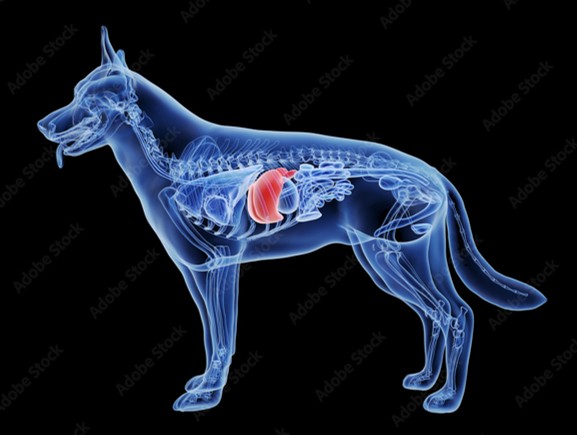
The gallbladder is an important organ in every mammalian body. Here at My Pet Nutritionist, we look at pet health from a holistic perspective; thus meaning we take into consideration the ‘full picture’. We look at individual organ health as part of this holistic approach, so this blog post focusses on the Gallbladder, and how we can support it for optimum health. We will discuss what the gallbladder does, common problems we see in clinic related to poor gallbladder health, and what we can do to support it. The Gallbladder The gallbladder is one of the smallest organs in the body. With it’s pear-shaped appearance, it can be found tucked just underneath the liver, nestled between two of the liver’s lobes. In dogs, the gallbladder sits between the right medial lobe, and the quadrate lobe (the slight depression in which it sits, is known as a ‘fossa’), whereas in cats it is located between two parts of the right medial lobe. A healthy gallbladder has a thin and smooth wall. Findings Here The digestive system requires this extremely important organ to be able to function correctly. The liver produces bile; a yellowish alkaline substance which aids the neutralisation of the acidic contents of a stomach after eating, in order to protect the lining of the small intestine. Bile is essential in the break down of fats in the small intestine, and also helps the body absorb nutrients. Once produced by the liver, bile has to be stored somewhere; this is where the gallbladder steps in! Bile is concentrated by, and stored in the gallbladder. When fats, oils and protein enter the small intestine, a hormone called Cholecystokinin is released, which triggers contraction of the gallbladder, which subsequently releases bile into the small intestine to aid digestion. Common Gallbladder Problems We see pets with varying degrees of gallbladder problems from time to time, which can have an enormous impact on digestive health, and therefore on general health and wellbeing. One of the major signs of an issue with the gallbladder, is jaundice. The clinical presentation of jaundice is yellowing to the skin and whites of the eyes. This can be tricky to spot in our furry pets, so regularly parting the fur to check skin colour, checking gums and insides of lips, and checking eye colour is recommended as a part of your standard husbandry regime. If you or your veterinarian suspect a gallbladder problem in your pet, they will most likely take a blood sample to run a full blood panel to check the relevant substance levels such as neutrophils and albumin. An ultrasound scan is commonly used in diagnostic testing for suspected gallbladder disease, and cytology and cultures can be run using bile aspirate samples. Biliary Sludge: this is a disease whereby a substance with sludge-like consistency forms in the gallbladder. Older pets are at higher risk of biliary sludge, and the number of pets being diagnosed with it is on the rise, largely down to advancements in ultrasonography. Little is understood on the cause of biliary sludge, but it is typically treated with a low fat diet, and some hormone regulatory drugs such as SAMe, or bile therapy drugs such as ursodeoxycholic acid. In rare occasions where the gallbladder is completely full or blocked, a surgery called a Cholecystectomy is often required, which involves removal of the gallbladder. Findings Here Findings Here Hypoalbuminemia: this condition is diagnosed when the detected levels of albumin, a protein made by the liver and makes up around half of a healthy pet’s blood plasma, are abnormally low. In both pets and humans, hypoalbuminemia leads to the thickening of the gallbladder wall. A thickening of the wall leaves the pet vulnerable to further gallbladder disease. There are many causes of low blood albumin levels, so in order to treat it your veterinarian will perform tests necessary to diagnose the underlying cause, and will treat the resulting diagnosis. Findings Here Findings Here Hepatobiliary Disease: there are numerous conditions that fit under the ‘umbrella’ of Hepatobiliary Disease; these are conditions that effect the liver, gallbladder, and bile ducts; collectively known as the ‘biliary system’. Hepatobiliary Diseases can be caused by viral, fungal and bacterial infections causing liver inflammation, toxin exposure to the liver (including some medications), genetic predisposition, diabetes, cancer, trauma to the liver, and metabolic disorder. Symptoms range from jaundice to lethargy, vomiting and diarrhoea, frequent urination (polyuria) and drinking (polydipsia), abdominal pain, and seizures depending on the underlying condition. Bile acid concentrations over 25-30 umol/L in dogs, and over 25 umol/L in cats is indicative of Hepatobiliary Disease. Findings Here Cholecystitis: usually caused by bacterial infection, cholecystitis presents as inflammation of the gallbladder. There are two pathways of entry for bacteria into the gallbladder; via the bile ducts from the liver, or directly via the bloodstream. Cholecystitis (inflammation of the gallbladder) isn’t always as a result of bacterial infection. Sometimes it is caused by trauma to the area, as a result of gallstones/blocked duct, or due to a tumour. From a pet with cholecystitis you can expect lethargy, jaundice, loss of appetite, vomiting and diarrhoea, increased thirst and urination, abdominal pain (adopting the ‘downward dog’ position in dogs, reduced willingness to move and a hunched over position in cats), weak but fast pulse, and pale gums. Diagnosis includes blood testing to show how the gallbladder is functioning, and check for infection markers. X-rays or ultrasound will also be carried out to show any inflammation, and a bile analysis may be carried out. Treatment for this condition may be partly carried out at home, and partly at the vet. The vet may admit your pet to undergo IV fluid treatment to increase electrolytes, and may also carry out a cholecystectomy (removal of the gallbladder) in more severe cases, where infection has caused necrosis. Treatment at home may include a Vitamin K1 supplement, antibiotics, and pain medication. If you suspect this in your pet, contact your veterinarian immediately, as early diagnosis is essential. Findings
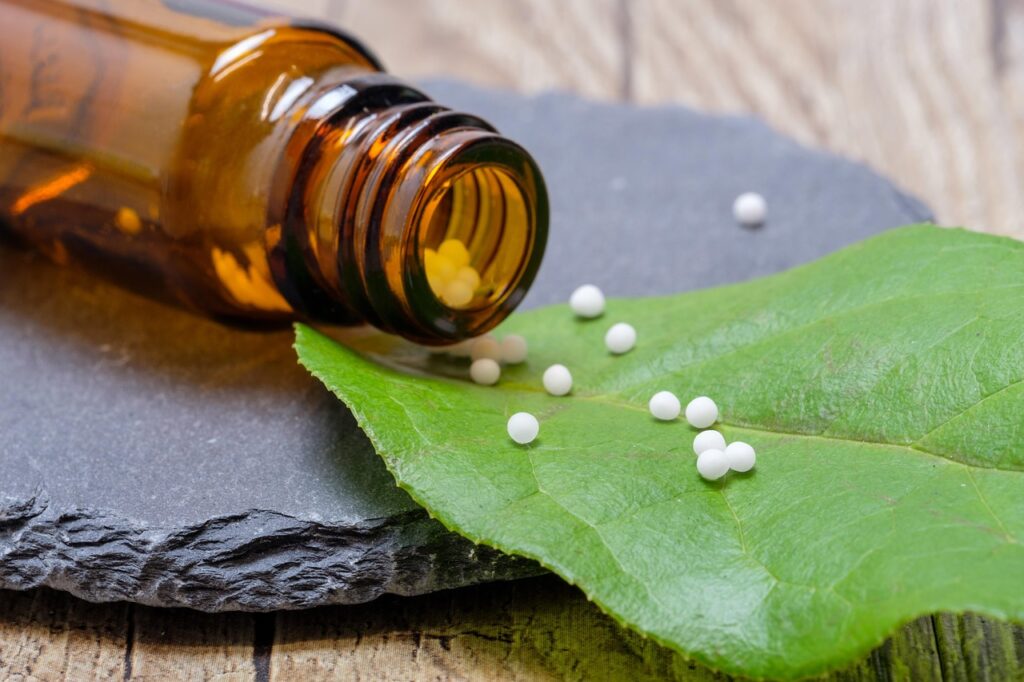
Homeopathy – what is it? Does it really work? This is a hugely debated question within the pet industry as well as the human medical space. With little scientific evidence in the past, surprisingly, more and more evidence is being released in more recent years to suggest that homeopathy is in fact beneficial! Here at MPN, we aim for a holistic approach throughout our consultations; and as part of that, we may suggest speaking to a qualified homeopath alongside our help for your pet! Read on to learn more about homeopathy! How Are Homeopathic Remedies Made? Homeopathic remedies are totally natural, and are based on extraordinarily diluted extracts from plant, mineral and animal with medicinal properties when used in such weak dilutions. Due to the nature of some of the plants from which these remedies are based on being toxins as a whole plant, it is imperative that you purchase your homeopathic remedies from a licensed homeopathic pharmacy. Our favourites are Helios Homeopathy, and Ainsworths Homeopathic Pharmacy. Remedies used in pets, typically come in the form of pillules – these are small balls made of sugar, coated in the remedy. Other forms remedies are available in include tinctures (also popular for pets, especially those from the brands ‘PhytoPet’, and ‘Dorwest Herbs’), granules, powders, larger pills, and creams/ointments. The vast majority of remedies are made through repeated levels of dilution. Whichever plant or animal the remedy is based on, will be cut down to extract only the relevant part of the plant (for example, the remedy Fragaria, often used for pets to aid dental health, is based on the ripe fruit of the wild strawberry, so the leaves will be removed from the plant to begin with). This raw material will then be crushed and dissolved in either water or alcohol, depending on the nature of the raw material. A process called ‘succession’ is then used to dilute the dissolved material – during this process, it is shaken vigorously with water or alcohol. This process is repeated a large number of times until the intended level of dilution is reached. Once the desired dilution is reached, the product left is the active ingredient in the homeopathic remedy, and is used to further create the remedy sold to the consumer, in the desired presentation. The remedies each come in a variety of strengths. The strength required for an individual depends on the symptom it is aiming to support. Typically, in the UK, you will notice remedies using the centesimal scale in terms of strength; so your remedies will usually be ‘6C’, ‘30C’ or ‘200C’, though you may also see the decimal scale used which would be displayed as ‘6X’ or ‘30X’, as examples. Those using the centesimal scale are more potent than those using the decimal scale. As an example, let’s look at the difference between a remedy that is 30C, and one that is 30X. The 30C remedy would be more dilute than the 30X remedy because the 30C remedy has been diluted in a ratio of 1:100 (1 part substance containing the raw material, 100 parts water/alcohol) 30 times, whereas the 30X remedy would have been diluted in a ratio of 1:10 (1 part substance containing the raw material, 10 parts water/alcohol) 30 times, meaning the 30C remedy is much more dilute than the 30X remedy. The usual ‘go to’ for pets is a 30C potency. 3C or much higher potencies may be advised by a homeopath in certain circumstances. How Does Homeopathy Work? When we look at the mechanism of how homeopathy works, we can’t just say ‘your dog has this problem, this is the remedy for that problem’ like your vet may with pharmaceuticals, we have to look more into the pet as a whole; their symptoms, diagnosis, and emotions all partly determine which remedy you may need to consider for your pet. Speaking with a homeopath is incredibly important as getting the correct remedy is important, especially when there are two or more which may fit your dog’s symptoms! In homeopathy, the remedy advised by a homeopath would depend on the ‘Law of Similars’; whereby ‘like cures like’. The pattern of symptoms caused by the original source a homeopathic remedy is diluted from, makes it the best remedy to treat the symptoms your pet is displaying. Findings Here Findings Here Findings Here What Conditions Can Be Supported With Homeopathy? There’s definitely no specific number we can answer this question with! The list of symptoms you can support with homeopathy is endless; we’d be here all year if we were to list them all! Almost every aspect of emotional and physical wellbeing can be supported through the use of homeopathy. Using the Homeopathic Materia Medica, you will be able to match symptoms to a remedy. The Materia Medica. The Materia Medica is a book describing the history of homeopathic remedies, and gives a detailed list of remedies, and which remedies match with which symptoms. The Helios Homeopathy Pet Kit includes it’s own Materia Medica which explains how to use the remedies, and lists possible uses for each remedy that you may encounter a need to use. An online complete Media Medica, written by homeopathic physician William Boericke in 1901 is available here. Popular Remedies in Pet Healthcare There are thousands of homeopathic remedies available, but there are some more commonly used in pet care. Here are six of the most popular remedies used in pets: Arnica: this is a very popular, and useful remedy, often given to those following an injury or operation, as it is often prescribed for bruising, sprains and strains, and arthritis. Studies suggest effects of Arnica can be comparable to those of anti-inflammatories. Findings Here Findings Here Pulsatilla: this remedy is typically used to reduce the symptoms associated with phantom pregnancy in pets. It can also be used to aid tender gums, throat and mouth. One study shows the use or pulsatilla in 4 dogs with eye issues and separation anxiety was paramount
Frequent readers of our blogs will know we aid pet owners with the vast majority of health complaints in their beloved furry family members. One of the health complaints we see in puppies is ‘Puppy Strangles’. Being a life threatening disease, owners of puppies suffering with this are right to be concerned! Read on to find out more about Puppy Strangles, what it is, how it is caused, diagnosed and treated, and how we can support healing naturally. Puppy Strangles is a rare skin disease affecting puppies, often referred to as Juvenile Cellulitis, lymphadenitis, or sterile granulomatous dermatitis. The disease can be life-threatening if left untreated, so acting fast and seeking veterinary care is essential. While Puppy Strangles has been seen in dogs of up to 4 years of age, it is most commonly seen in puppies of 6 months and under. Symptoms and Causes There are a variety of symptoms associated with Puppy Strangles. Some symptoms you may see in a puppy with this condition are: Sudden facial swelling: the swelling you may expect to see will show rapidly, and can usually be seen first around the muzzle and eyelids. Eventually, the lip area, and the underside of the chin may be affected in a similar way. Lesions on the skin: in some cases, lesions may also form on the skin, primarily around the face, but also seen in some cases around the paws, anus and vulva. Swollen lymph nodes: the lymph nodes located under the chin and in the neck will swell, looking like small, soft lumps. This is one of the biggest signs of Puppy Strangles. Reduced appetite: as your puppy will be significantly unwell, their appetite may reduce. Lethargy and fatigue: your puppy’s immune system will be heavily impacted, and will be taking a huge amount of energy, resulting in lethargy and fatigue. Lameness: due to the inflammation in the body, and lack of available energy, your puppy may show signs of lameness. Fever: the body temperature will rise due to inflammation. Behavioural changes: many puppies display low mood behaviours when severely unwell. When looking at causes of Puppy Strangles, there are a few avenues under exploration, but the overall cause is largely unknown at present, and it is deemed ‘idiopathic’, meaning the cause is unknown, and it happens spontaneously. There are some suggestions that this condition has aspects of an autoimmune disease, whereby the dog’s immune system malfunctions and causes the body to attack it’s own skin. There is also a chance that the disease has hereditary predispositions, meaning the risk is passed from generation to generation. There may also be breed predispositions for puppy strangles, as the breeds most commonly affected appear to be dachshunds (all sizes and coat types), Gordon Setters, and Golden Retrievers. Findings Here Findings Here Findings Here Diagnosis Diagnosing puppy strangles can be a complex task. There are various methods used, some vets will use multiple methods, some will use one or two. The diagnosis methods include: Physical examination: as the visible symptoms for Puppy Strangles are so noticeable, the first part of diagnosis is a physical examination of the skin. the vet will look at the puppy’s overall condition and look for lesions etc. Checking the puppy’s medical history: the age, breed, and family history of the puppy will be analysed. Skin biopsies: samples of skin from affected areas may be taken. A full laboratory report will be written regarding the biopsies after analyses under a microscope. This is the most conclusive form of diagnostics for Puppy Strangles. Skin lesion cytology: in some cases a small sample of tissues from a skin lesion will be taken and analysed under a microscope to rule out infection in these areas. Skin scrapes: the veterinarian may take scrapings of the top layer of skin, and take a look at these under a microscope. This will enable them to rule out possible mites or fungal infections which can present similarly to Puppy Strangles. Hair plucking analysis: much like skin scrapes, examining plucked hairs under a microscope will rule out parasitic or fungal burdens. Blood panels: a full blood panel will often be run, which will show any potential discrepancies which could form a different diagnosis, and to check the white blood cell count of the individual. A classic symptom of Puppy Strangles is an elevated white blood cell count. In cases where a veterinarian suspects a secondary infection in an individual, they may also perform fungal or bacterial cultures to rule out further infection. Findings Here Findings Here Findings Here Conventional Treatment As Puppy Strangles is immune mediated, the immune system needs to be suppressed to treat the disease. If the immune system is not suppressed, the body will continue to attack itself, causing the condition to worsen, and the puppy’s life to be at risk. An immunosuppressive drug (usually a corticosteroid such as prednisone) will be administered to your puppy, daily over the course of a few weeks in order to combat the disease. After the initial few weeks, the dose will be gradually tapered as your dog will need to gently wean off it. Due to the risk of infection in skin lesion sites I those with Puppy Strangles, it is common for antibiotics to also be prescribed by your veterinarian as a precaution. Anti-inflammatory medication may also be prescribed to reduce inflammation in the body, caused by the disease. It is imperative that you follow your veterinarian’s advice, but you may wish to use complementary support alongside treatment. Findings Here Findings Here Findings Here A Natural Approach to Puppy Strangles As always, our approach is often supported by veterinary care, so we tend to look at this as a complementary approach as opposed to alternative. Side effects of short-term use of the aforementioned drug protocol can include increased appetite, thirst and urination, as well as reduced gut microbiota diversity and microbiome health, and increased lethargy. Complementary support can go some way to reducing these side effects. Here are some
Pet dental health is so important for all! At My Pet Nutritionist, we love to educate owners on all aspects of pet health and husbandry. Many pet owners come to us when their pet’s oral health needs improvement; dental surgery is often required, but what do you do if your pet needs dental surgery? This blog post aims to help you understand why a pet may need dental surgery, what to do before surgery, after surgery, and ongoing to reduce the risk of needing further dental surgery. Why Might Your Pet Need Dental Surgery? There are many reasons a dog or cat may need dental surgery. Some mild conditions or cases of dirty teeth may be resolved at home, but many pets require professional help to avoid severe health complications caused by very poor oral health. Here’s some of the most common reasons a pet may need dental surgery: Periodontal Disease: pets with periodontal disease often end up going undiagnosed for a long time, causing the disease to develop. There are various symptoms of periodontal disease including bleeding gums, bad breath, receding gums, tooth loss, pus around the teeth, tooth discolouration and formation of epulis. If left untreated, periodontal disease can be life threatening, as bacteria emanating from the mouth enters the gut via the bloodstream. Organs commonly affected by periodontal disease are the kidneys, liver and heart. If your pet has diabetes, you may also find blood sugar regulation more difficult. Fractured Teeth/Jaw: if your pet manages to fracture their jaw or teeth, this will require dental surgery. Generally speaking, fractured teeth will be removed; some cases may be offered root canal surgery, but it is usually easier to have the tooth removed. Fractured jaws can require more extensive surgery, and come with a longer recovery process. Retained Juvenile Teeth: some young dogs require tooth removal surgery due to retained juvenile teeth. This is when the adult teeth have grown in front of, behind, or next to the puppy teeth, but the puppy teeth have not detached from the gumline, leaving two sets of teeth. Most puppies won’t require this intervention, but some may. Oral Tumours: while rare, oral tumours can happen in dogs at any age, but particularly in older dogs, or dogs with poor dental hygiene in general. Dental surgery is usually recommended to remove the tumour, and surrounding tissues if the margin is available. Some oral tumours will require removal of parts of the jaw. Cleft Palate: in rare cases, a pet may suffer with a cleft palate, which is a congenital defect whereby the roof of the mouth has failed to form properly. This lack of closure results in an opening being left between the mouth and the nasal cavity. Dog breeds most susceptible to this are the brachycephalic breeds (pugs, French bulldogs, English bulldogs, Boston terriers), and cat breeds most prone to this condition are the Siamese, Persian and Savannah cats. Findings Here Findings Here Should I See A Specialist? We recommend seeking help from a veterinary dental specialist! While traditional vets are amazing people, worth their weight in gold, when your dog is undergoing dental surgery we recommend seeking help from a veterinary dental surgeon. The tissues in the mouth are very delicate, and while traditional veterinarians learn about oral health, veterinary dental surgeons are highly skilled in their specialist area, with far more in-depth knowledge when it comes to oral health and disease. Post Diagnosis Preparation Once you have received a diagnosis for your pet’s dental issue, and are awaiting a date for their dental surgery, your veterinarian will most likely give you a short list of things to do between diagnosis and surgery. This list may include some of the following: Feed a softer food: while waiting for surgery, your pet is likely to require a soft food. Softer foods will put less strain on the gums and teeth themselves, which will therefore decrease the risk of pain in these diseased or damaged areas. Many pets lose their appetite when their mouth is painful, which may also create a negative association with food. Some pet owners choose to feed a soft, high quality, high meat content wet food, others may choose to feed a cooked food with added bone broth to soften it. Avoid chews: as chews are generally hard or chewy in texture, allowing your pet access to these may cause pain or further aggravate the affected area. Remove unsuitable toys: some of the toys your vet may recommend removing from your pet’s reach include knotted toys, tug toys, solid toys and balls. Avoiding use of these toys will help reduce discomfort for your pet, and reduce the risk of further damage prior to surgery. Keep these toys out of reach until oral wounds are healed. Antibiotics: depending on your pet’s diagnosis, your vet may recommend a course of oral antibiotics to reduce risk of infection in the affected area, or to treat infection that may already be present. As with any course of antibiotics, it is important to finish the whole course prescribed, unless advised otherwise by your veterinarian. Painkillers: as dental health problems usually cause discomfort or pain, your vet is likely to prescribe painkillers in the time between diagnosis and surgery. Ensure your pet is given these, and look out for any changes in behaviour which may suggest worsening of pain. Practice crate training/calmness: some pets my require a complete rest period after surgery, depending on the procedure required. As activity increases blood flow to the gums, you will most likely need to keep your pet calm following surgery to allow the surgical site to heal. Ensuring your pet is both comfortable in a crate, and able to relax without being overstimulated by normal household life is incredibly beneficial to their post operative period. The more comfortable they are in these scenarios before their surgery, the more relaxed they will be during recovery, which aids the speed of recovery. Findings Here Preparation for the Night Before/Morning
Here at My Pet Nutritionist, we love to take an in-depth look at all organs and systems within the body in an approach to overall health and well-being in pets. As part of our mission to help pet owners keep their pets in the best health possible, some of our blog posts are designed to target one specific part of the body – this blog post take a deep dive into everything liver! Learn what the liver is, what it does, common complaints we see within our customer base, and how to support the liver through diet and lifestyle changes! Liver Structure The liver is the largest internal organ in the body. It is found inside the ribcage of dogs and cats, just below the diaphragm, and while it is a rough triangle-type shape, it is soft, and takes the impression of the surrounding organs including the gallbladder, stomach, pancreas duodenum and the right kidney. It is a large organ, and consists of 6 lobes. Each lobe is made up of many ‘hepatic lobules’, and each lobule holds a large number of blood filled, sac-like cavities called sinusoids. Due to this structure, the liver is a spongey texture, and is able to hold large amounts of blood, which gives the organ a deep red colour. There are two ways fluids travel into the liver; both major blood vessels! The first, known as the Portal Vein takes nutrient rich blood from the gastrointestinal tract into the liver, however this vessel also brings the not-so-beneficial products of chemicals and drugs into the liver too! The other major vessel is called the Hepatic Artery, which delivers oxygen rich blood from the heart and lungs, into the liver. Just like routes into the liver, there are two ‘exits’ too! Hepatic Veins carry blood out of the liver, whereas the Bile Ducts take bile (a yellow coloured digestive substance made in the liver, and stored in the gallbladder) out of the liver, and into the gallbladder. The liver can also self-regenerate if it is compromised through trauma!’ Findings Here Findings Here Findings Here What Does the Liver Do? The liver has many major functions within the body, affecting various aspects of health. Let’s take a look at these: Bile Production: the liver plays an enormous role in digestion. It produces bile, a yellow coloured digestive juice, which is absolutely essential for the digestion of fats in the small intestine and nutrient absorption. Metabolism: the liver’s role in metabolism includes breaking down protein, fat and carbohydrates in order for the body to be able to use them as energy. The energy gained through this metabolic process is stored in the liver as glycogen which is released when required. Vitamins and minerals are also stored by the liver, and inactive forms of these are made active. Blood Detoxification: the liver is the body’s very own toxin removal system! When there are unwanted substances in the blood, the liver removes them from the body. As part of this function, the liver also breaks down any medications in order to eliminate the toxins. Filtration from digestive tract: not only does the liver filter the blood for toxins, but it also filters blood from the digestive tract. Blood Clotting: the liver is home to a variety of proteins which clot blood. These proteins include various coagulation factors, fibrinogen, and prothrombin. Immune aid: the liver plays a role in the immune system too! Some essential proteins and enzymes used in the immune system are produced in the liver. Blood storage: finally, due to the liver’s texture and storage capacity in the sinusoids, it is excellent for storage of blood which it releases if required. Findings Here Findings Here Findings Here Common Liver Complaints Many of our customers come to us for help with their dog’s liver problems. We have helped to support those with a wide range of liver complaints over the years. Some of the most common complaints we see are: Liver Disease: liver disease has many possible underlying causes including genetics, hepatitis, liver tumours, infections or toxin exposure, including from medications and some plants. Liver disease can have a lot of knock on effects on the body including disturbances in filtering toxins, difficulties storing nutrients, and reduced digestive capabilities. Symptoms include increased thirst (polydipsia) and urination (polyuria), vomiting, reduced appetite, rapid weight loss, and jaundice (yellowing of the skin). Diagnosis is sought via a combination of blood test, imaging, and sometimes biopsy of the liver to discover the underlying cause. Liver Shunts: clinically, these are referred to as portosystemic shunts. Dogs with liver shunts have abnormal blood vessels which bypass the liver, meaning the liver cannot perform it’s job of filtration of, or nutrient metabolism from the blood efficiently. Liver shunts can be congenital defects (present from birth), or caused by some types of liver disease. Symptoms of liver shunts include vomiting, diarrhoea, hypersalivation, stunted growth, reduced coordination, seizures, and behavioural changes. Blood tests and imaging (including ultrasound and CT scans) are used to diagnose a liver shunt. Hepatitis: this condition is a chronic inflammatory condition in the liver, often caused by infection, toxin exposure, or immune dysfunction. There are various types of hepatitis, the most infectious one being Adenovirus Type 1 which is potentially life-threatening! Fever, lethargy, vomiting, jaundice, and enlarged liver are all common symptoms of hepatitis. Lifelong liver damage can occur depending on the severity of infection. To diagnose this condition, imaging, blood tests and often liver biopsies are performed. Liver Cancer: liver cancer can be classed as ‘primary’ in which the abnormal cells originate inside the liver itself, or ‘metastatic’ where the abnormal cells spread from other parts of the body. Reduced appetite, weight loss bloating and lethargy are the initial symptoms one can expect, and these may not be clearly linked to liver cancer. More advanced symptoms of liver cancer are those of liver failure. Biopsies, imaging and blood tests are used to diagnose the condition. Acute Liver Failure: the term ‘acute’ refers
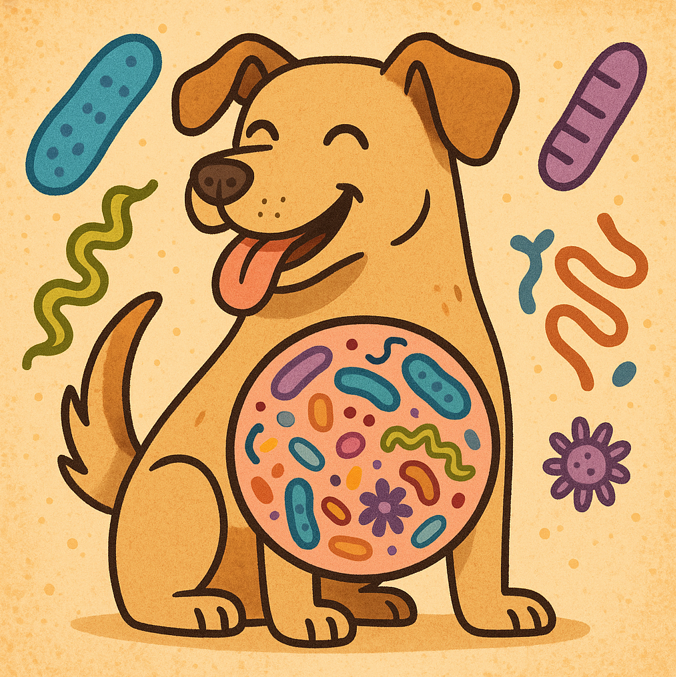
Here at My Pet Nutritionist, we know that a healthy gut microbiome is the most important aspect to keeping your dog healthy all round! There is so much to learn about the gut microbiome – what it really is, what it consists of, what other parts of the body it interacts with, and what happens when it’s not in tip top condition. Many of our readers will notice that most of our blogs mention the microbiome, so this blog post is a full round up of everything gut microbiome related, in one easy read! What is the Gut Microbiome? Every dog has a gut microbiome. It’s one of the most important parts of your dog in terms of digestion and overall health, from joints to skin, to the brain and immunity. The microbiome is a community of microbes, including good and bad bacteria, viruses, and fungi. The gut microbiome is very carefully balanced. Some of the microbes found in a healthy gut microbiome are ones we would typically class as ‘bad’ which have health conditions associated with them, including bad bacteria such as Salmonella, and Clostridia. Viruses and Fungi are typically classed as ‘bad’ microbes too, but are still part of a healthy microbiome. Good bacteria such as Lactobacillus, Bifidobacterium and Enterococcus are all found in abundance in the healthy canine gut microbiome – these beneficial bacteria are found in high enough numbers to outweigh the negative impact of the bad microbes found in the gut. A healthy gut microbiome means the ‘good guys’ outweigh the ‘bad guys’. Health problems begin to emerge when the gut microbiome is knocked out of balance, allowing for gut dysbiosis to occur. Gut dysbiosis can lead to a host of health problems including reduced skin and joint health, increased digestive issues, and prominent or mild negative behavioural changes. Findings Here Findings Here Interactions Between the Gut Microbiome and the Rest of the Body The health of the gut microbiome is a huge part of overall health – but why is this? You may be wondering how gut health could impact so many other parts of the body, so let’s take a closer look at these! We can look at the gut as a ‘roundabout’. Roundabouts have multiple exits – these ‘exits’ stemming from the gut are collectively called Axes; and these link to other parts of the body to form a two-way pathway/link from the gut. The main axes are: The Gut-Skin Axis: this pathway connects the gut to the skin, and the skin to the gut. If we start at the gut and work our way to the skin, we can see that poor gut health can cause or exacerbate skin conditions. Going to other way; from skin to gut, we unfortunately have the risk of gut microbiome damage caused by external exposure to toxins, whether they’re from laundry detergents, household cleaning products, external flea and tick medications, or other environmental toxins. The Gut-Joint Axis: this pathway connects the gut to the musculoskeletal system, and the musculoskeletal system to the gut. An imbalance in the gut microbiome can be connected to poor joint health, especially in cases of osteoarthritis due to the increase in inflammation around the joints. In a poorly balanced gut, there is often an increased risk of pro-inflammatory cytokines and inflammatory metabolites being produced, which are the main cause of poor joint health in dogs. The Gut-Brain Axis: this is the bidirectional pathway between the brain and the gut. This pathway has connections both physically, and chemically. In terms of physical connections, the Vagus Nerve is the main avenue for carrying signals between the two locations. Chemically, the healthy gut produces neurotransmitters and hormones, which move between the brain and gut. Mood, response to stress, and digestion are three of the main roles of the gut-brain axis. It is also important to note that around 70-80% of the immune system is found in the gut! Keeping the gut microbiome healthy, and perfectly balanced means the immune system, and therefore overall health of an individual remains stable. Findings Here Findings Here Findings Here Findings Here What Happens When the Gut Microbiome is Unhealthy? When the Gut Microbiome is unhealthy, a host of health conditions can occur. As previously mentioned, an unhealthy gut microbiome is unbalanced; and this condition is called Gut Dysbiosis. Gut Dysbiosis occurs when the ‘bad microbes’ outweigh the ‘good microbes’. Here’s some health concerns that we see a lot in those with an unhealthy gut microbiome: Food sensitivities: when the gut microbiome is unbalanced, food sensitivities are common due to increased gut permeability; known as Leaky Gut. When the gut integrity is poor, food particles leak into the bloodstream which encourages the body to create an immune response, presenting as food sensitivities. Yeast: yeast cells are naturally present in the gut; they’re called Candida. When Candida is present, and there’s not enough of the good microbes to keep these in check, a yeast infection will often occur. Symptoms include rust coloured paws, ears and groin, cheesy smelling feet, and itching among others. Digestive problems: digestive upset including diarrhoea and vomiting is common in those with an unhealthy gut microbiome, due to the abundance of ‘bad’ microbes and a lack of ‘good’ ones to keep the effects of the bad ones at bay. Many dogs also suffer with Small Intestine Bacterial Overgrowth (SIBO) which contributes to these symptoms. Bad breath: a lot of owners assume their dog’s bad breath is caused by poor dental hygiene, however this is often not the case. Bad breath can emanate from the gut, in those with poor gut health. When the gut microbiome is unbalanced, the overgrowth of harmful bacteria in the gut results in the production of VSCs; Volatile Sulphur Compounds, which cause bad breath. Inflammatory Bowel Disease (IBD): when the gut microbiome is unbalanced, inflammation occurs as a result. This inflammation often leads to chronic inflammatory conditions such as IBD. Other gastrointestinal conditions occur due to this too, however IBD